
Animal photography extends far beyond wildlife in national parks. Millions of Canadians share their lives with pets — dogs, cats, horses, rabbits, birds — and the market for professional animal photography is substantial, emotionally driven, and growing. Pet owners spend an average of over $3,000 CAD annually on their animals according to the Canadian Animal Health Institute, and professional portraits of beloved companions are an increasingly popular part of that spending.
Animal photography training covers the specific camera techniques, behavioural knowledge, and creative approaches needed to capture compelling images of animals that move unpredictably, do not follow directions, and express personality in ways that require patience and quick reflexes to capture.
Why Animal Photography Is Different from Other Genres
Animals do not pose. They do not hold still on command, look at the camera when asked, or repeat a flattering expression because you missed the first one. They move constantly, react to environmental stimuli you cannot control, and operate on their own timeline regardless of your creative vision.
This unpredictability is what makes animal photography both challenging and rewarding. The technical demands overlap with wildlife photography — fast shutter speeds, continuous autofocus, burst mode shooting — but the environment is typically more controlled and the distance to subject is much closer than with wild animals.
Camera Settings for Animal Photography
Shutter speed is your most critical setting. Animals — particularly dogs and young animals — move constantly and quickly. Use a minimum shutter speed of 1/500th of a second for animals at rest and 1/1000th or faster for animals in motion. Running dogs, jumping cats, and playing puppies require 1/2000th or faster to freeze movement completely without blur.
Continuous autofocus mode (AI Servo on Canon, AF-C on Nikon and Sony) tracks moving subjects and adjusts focus continuously as the animal changes position. Pair this with a wide or zone autofocus area to give the camera flexibility to follow the animal across the frame. Our autofocus techniques guide covers these settings in detail across all major camera brands.
Burst mode at the highest frame rate your camera offers dramatically increases your hit rate. Animal expressions and movements change in fractions of a second — shooting 10–20 frames per second means you are far more likely to capture the perfect moment of expression, movement, or interaction.
Aperture of f/2.8–f/4 creates beautiful background blur that isolates the animal from its environment and draws all attention to the subject. For multiple animals together, narrow to f/5.6–f/8 to ensure both are sharp.
Working with Different Animals
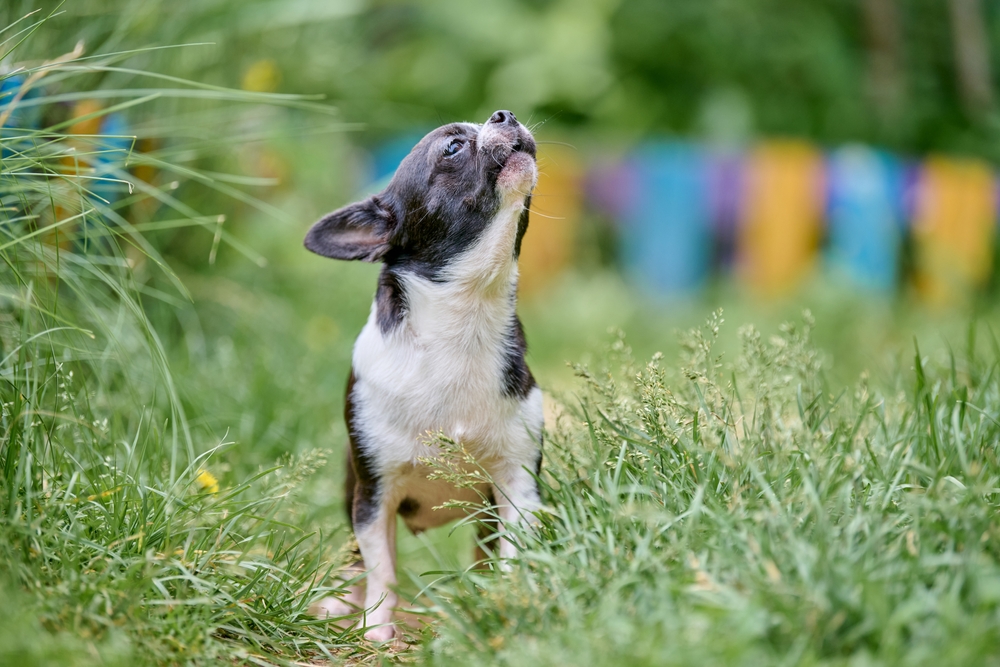
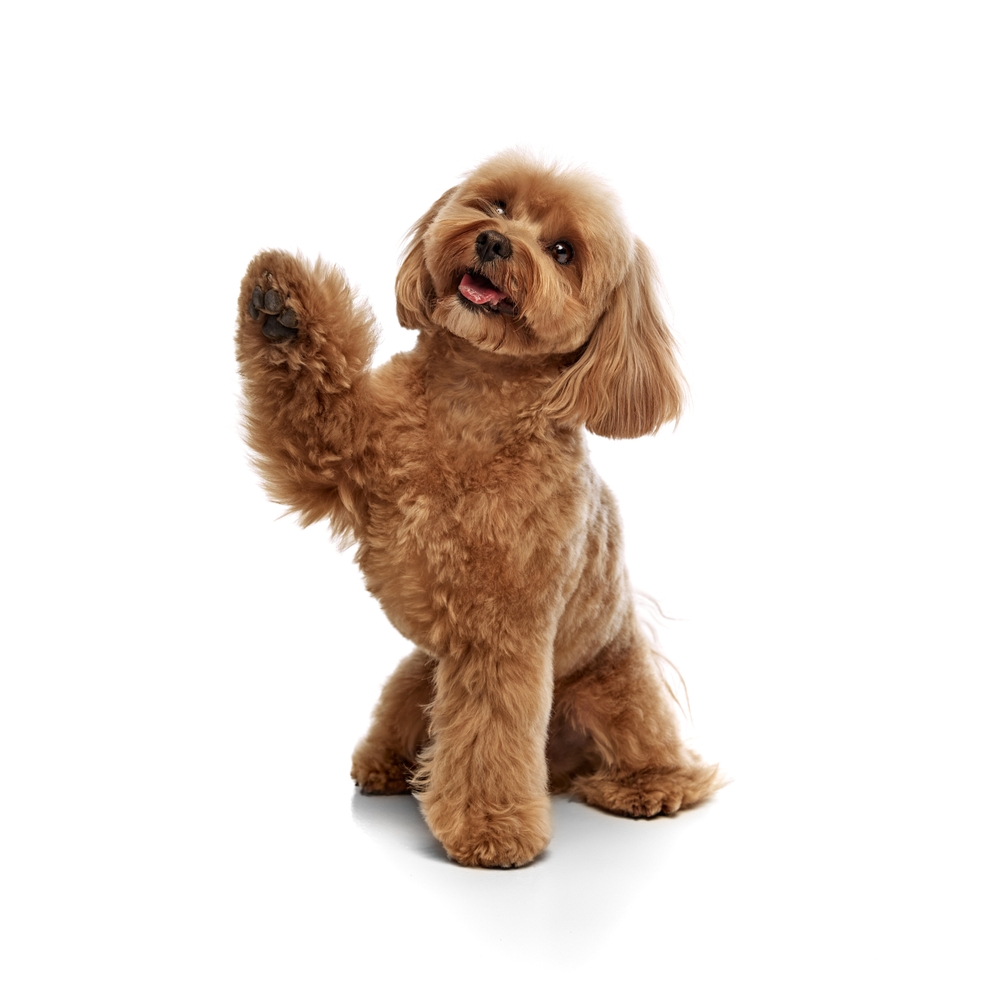
Dogs are the most commonly photographed domestic animals and offer the widest range of expression and personality. Fast-moving and highly responsive to sounds and treats, dogs require quick reflexes and an assistant or the owner to help manage attention and positioning. Squeaky toys, treats held near the lens, and unusual sounds all capture a dog’s attention and create alert, engaged expressions with ears forward and eyes bright.
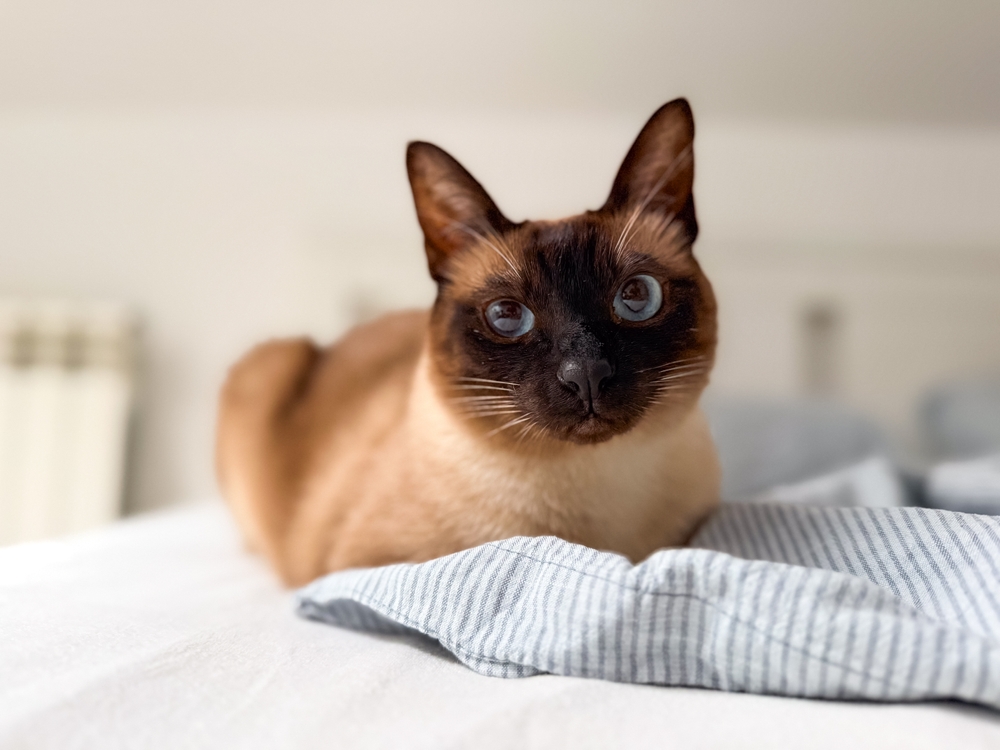
Cats are more independent and less responsive to direction. Patience is essential — let the cat explore the shooting space and settle into comfortable positions rather than trying to force poses. Feather toys and laser pointers create moments of intense focus and playful expression. Window light works beautifully for cats who naturally gravitate toward sunny spots.
Horses require understanding of their body language and comfort zones. Approach calmly, avoid sudden movements, and work with the owner present. Horses photograph beautifully in golden hour light on open ground, and the combination of a large, elegant subject against wide Canadian landscapes creates powerful imagery. Long lenses in the 70–200mm range allow you to fill the frame without crowding the horse.
Small pets — rabbits, guinea pigs, birds, reptiles — require macro or close-up techniques and extremely controlled environments to prevent escape. Shoot on a tabletop with a clean background and have the owner nearby for handling and comfort.
Outdoor vs Studio Animal Photography
Outdoor animal photography captures subjects in natural environments — parks, fields, beaches, forests, backyards. The light is varied and the backgrounds are interesting, but you have less control over the animal, the environment, and distractions. Outdoor sessions work best with well-trained dogs and confident animals.
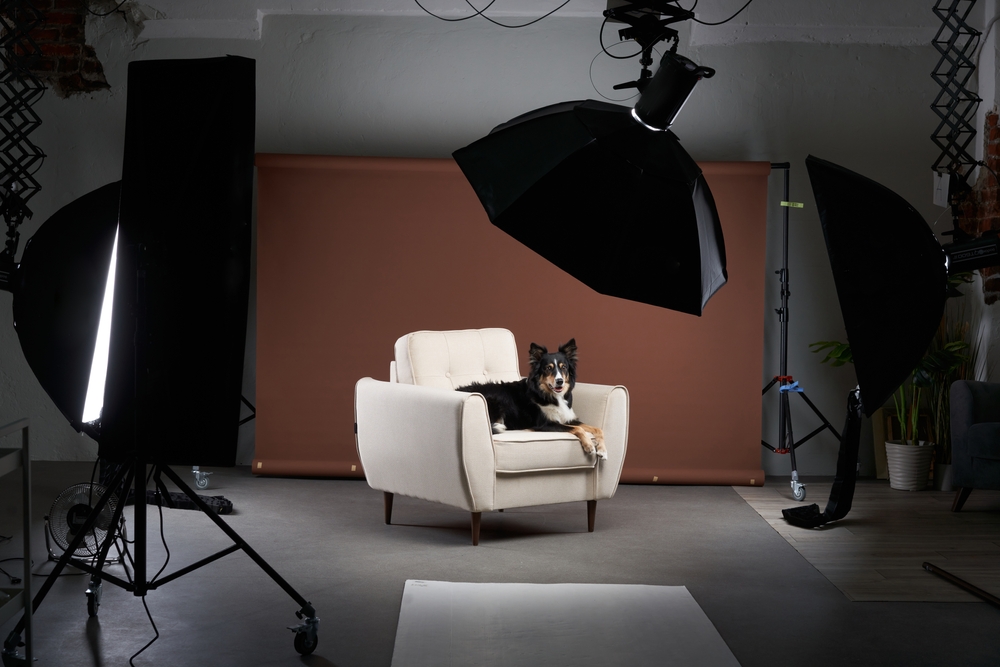
Studio animal photography offers controlled lighting, clean backgrounds, and a contained environment. It works well for pet portraits, holiday-themed sessions, and commercial work for pet brands. Use non-slip surfaces underfoot, block escape routes, and keep the space calm and quiet. The ASPCA provides guidance on animal welfare considerations that photographers should understand when working with animals in any setting.
The Pet Photography Business in Canada
Pet photography is an emotionally driven purchase. Pet owners do not book sessions because they need photographs — they book because they love their animals and want beautiful images that celebrate that bond. This emotional motivation supports premium pricing and strong repeat business.
Session pricing for pet photography in Canada typically ranges from $250–$600 CAD for individual sessions, with additional income from print sales, albums, and digital packages. Holiday mini sessions — Halloween costumes, Christmas portraits, spring outdoor sessions — generate concentrated income and attract new clients at accessible price points.
Marketing to pet owners is straightforward. Partner with local veterinary clinics, groomers, pet stores, and dog trainers for referral relationships. Post consistently on Instagram with location tags — pet owners are among the most active social media users and readily share and tag professional images of their animals.
Our photography business course guide covers pricing, marketing, and client management strategies that apply directly to building a pet photography business, and our guide to getting your first 10 clients provides a detailed acquisition strategy.
Start Your Animal Photography Training
Animal photography training develops the fast-reflex technical skills, behavioural understanding, and creative vision needed to capture compelling images of our closest animal companions. Our Certificate in Wildlife Photography covers animal behaviour, camera techniques, and fieldwork applicable to all animal subjects, and our Certificate in Photography builds the foundational skills every animal photographer needs. Browse our full range of courses to find your starting point.