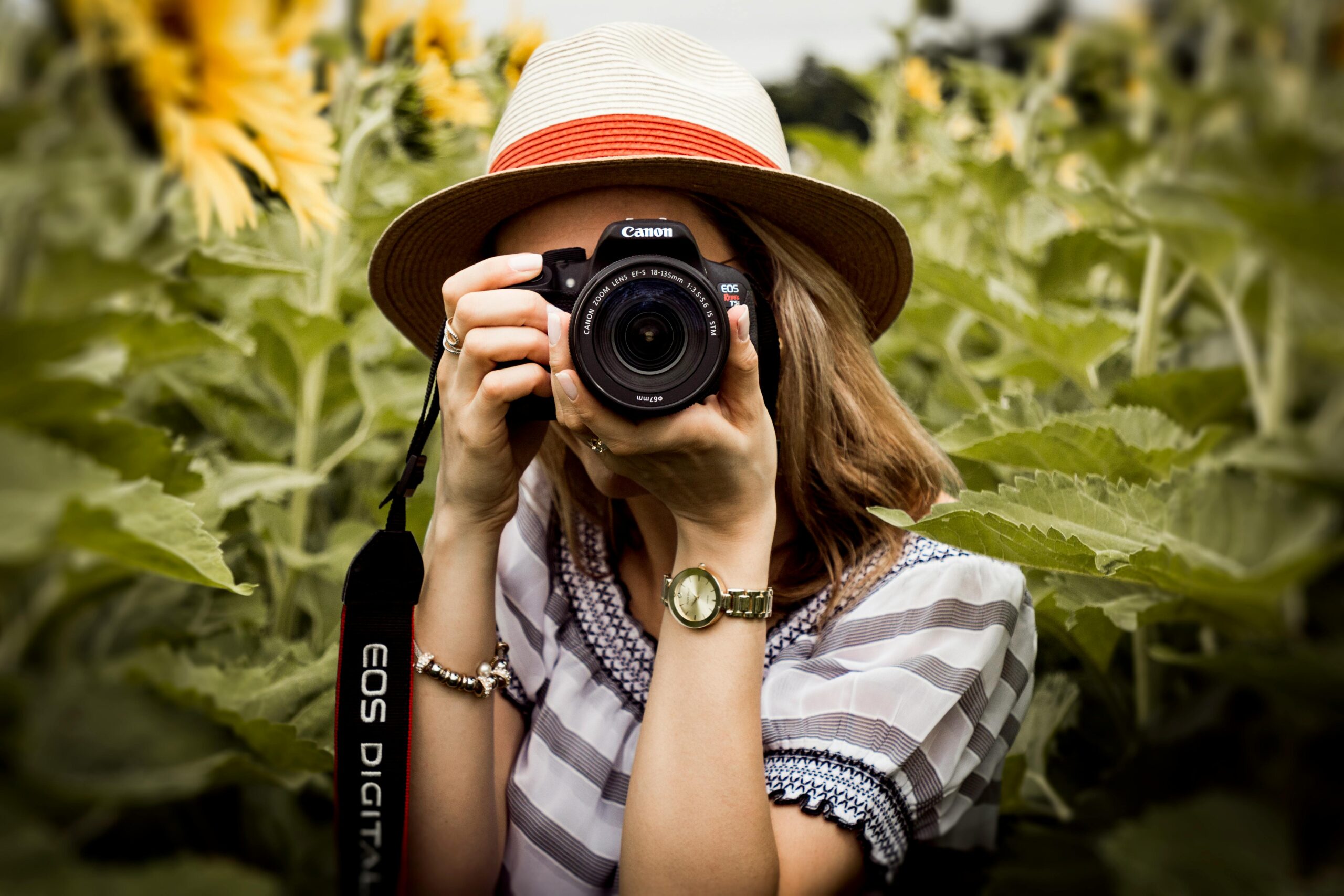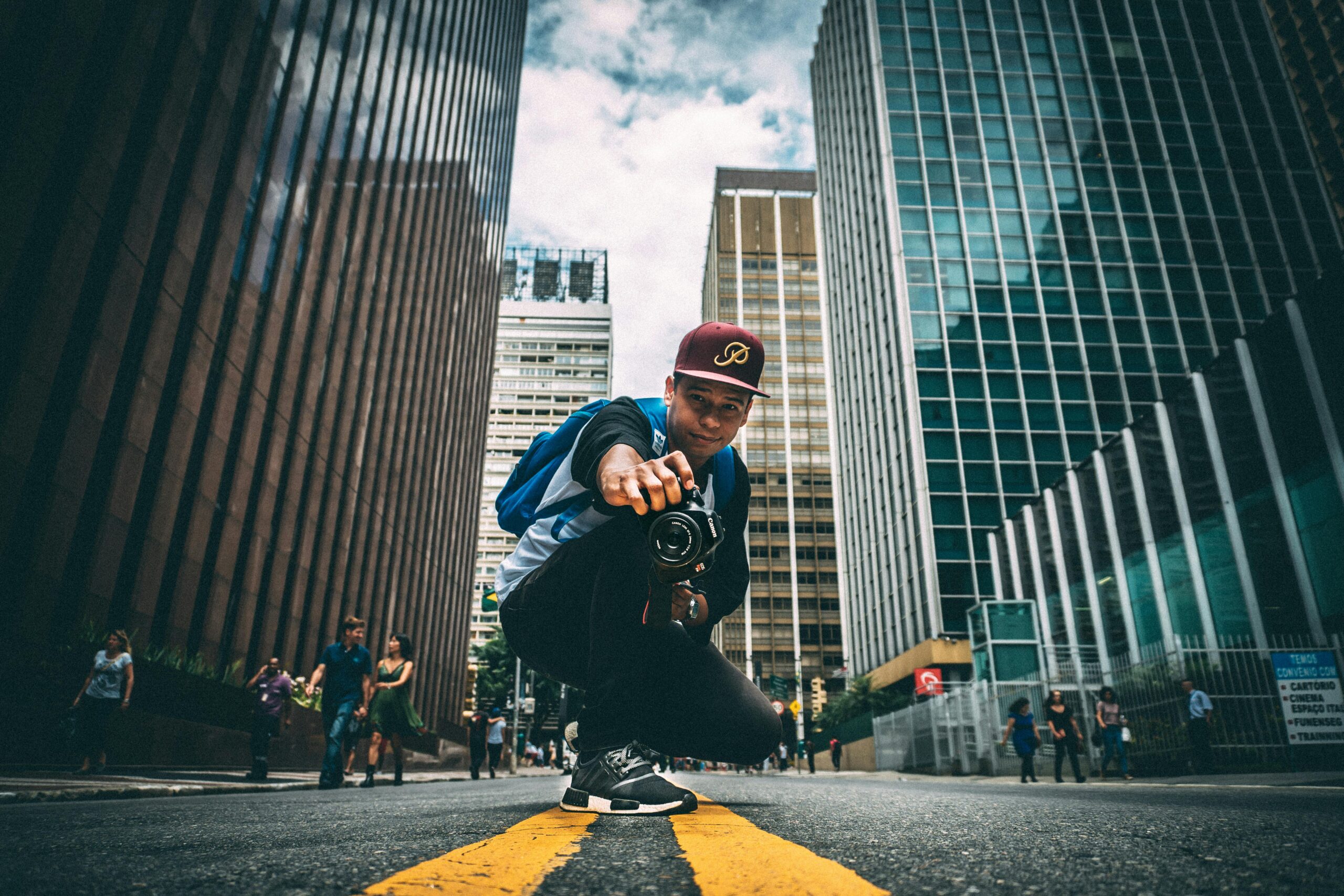


Cinematography is the art of visual storytelling through moving images. It is what makes a film feel tense, a commercial feel luxurious, or a documentary feel intimate. If you have ever watched something and thought “that looks incredible,” you were responding to cinematography.
A cinematography course for beginners teaches you how to control the camera, light, and composition to create deliberate visual narratives. Whether you want to shoot short films, music videos, branded content, or YouTube productions, understanding cinematography is what separates amateur footage from professional work.
Cinematography vs Videography
Videography is the practical skill of recording video — operating a camera, capturing clean audio, editing footage into a finished product. Cinematography is the creative layer on top — the intentional use of light, camera movement, lens choice, and framing to tell a story visually. A videographer documents. A cinematographer interprets.
Both skills are essential and overlap significantly. Our Certificate in Videography covers the practical foundations that cinematography builds upon. Think of videography as learning to drive and cinematography as learning to race — you need the first before the second makes sense.
The American Society of Cinematographers is the industry’s leading professional organisation and provides excellent insight into the art and craft of cinematography at the highest level.
Camera Movement and Emotional Impact
Every camera movement communicates something to the viewer, whether they realise it or not.
A static shot feels stable, observational, and calm. It invites the audience to study the frame. A slow dolly-in builds tension or intimacy — the camera moves closer and the viewer feels drawn in without understanding why. A handheld shot creates energy, urgency, or documentary realism — the slight shake tells the audience they are in the moment. A tracking shot following a subject creates engagement and momentum, pulling the audience along with the action. A crane or jib movement ascending above a scene creates revelation or scale.
Beginners often move the camera without purpose. A cinematography course for beginners teaches you to choose every movement deliberately, matching camera motion to the emotional intent of the scene. Our videography course guide explains how these principles integrate into practical video production workflows.
Shot Types and Framing
The distance between camera and subject communicates meaning. A wide shot establishes location and context — it tells the audience where they are. A medium shot shows body language and interaction between characters. A close-up reveals emotion and detail, pulling the viewer into the character’s inner world. An extreme close-up creates intensity and hyper-focus on a single element — an eye, a hand, a detail that carries narrative weight.
You will learn the standard shot types — wide, medium, close-up, over-the-shoulder, point-of-view, two-shot — and understand when each one serves the story you are telling. You will also learn composition within the frame using principles of headroom, lead room, and depth staging that differ from still photography composition in important ways.
Lens Choice and Perspective
Different focal lengths do not just zoom in or out. They fundamentally change how a scene feels to the viewer.
A wide-angle lens in the 16–35mm range exaggerates depth, stretches perspective, and creates a sense of expansive space or unsettling distortion depending on context. A standard lens in the 35–50mm range approximates human vision and feels natural and unmanipulated. A telephoto lens in the 85–200mm range compresses depth, isolates subjects from their environment, and creates an intimate or voyeuristic quality.
Choosing a lens is a creative decision as much as a practical one. A cinematography course teaches you to think about what each lens does to the viewer’s perception, not just what it shows them.
Lighting for Motion
Lighting for video follows the same principles as photography but adds the critical dimension of time. Light must remain consistent across a shot or change in controlled, deliberate ways as a subject moves through a space.
You will learn three-point lighting — key, fill, and back light — as the foundational setup. You will learn to work with practicals, which are existing light sources visible in the frame like lamps and candles. And you will learn to shape light with diffusion panels, flags, and bounce boards to create exactly the quality and direction you need for every scene.
MasterClass features cinematography lessons from award-winning directors and cinematographers that provide further insight into professional lighting approaches used on major productions.
Colour and Mood
Colour in cinematography is never accidental. A warm orange palette suggests comfort, nostalgia, or heat. Cool blue tones communicate isolation, technology, or sadness. Desaturated colour conveys gritty realism or period authenticity.
You will learn how colour temperature, white balance, and colour grading in post-production work together to create a cohesive visual tone for an entire project. DaVinci Resolve — free and industry-standard — gives beginners access to the same colour grading tools used on Hollywood productions. Blackmagic Design offers DaVinci Resolve as a free download along with extensive training resources.
Equipment for Beginner Cinematographers
You do not need expensive gear to start learning cinematography. A smartphone with a stabiliser and an understanding of light, composition, and movement will produce more compelling footage than a $5,000 cinema camera in untrained hands.
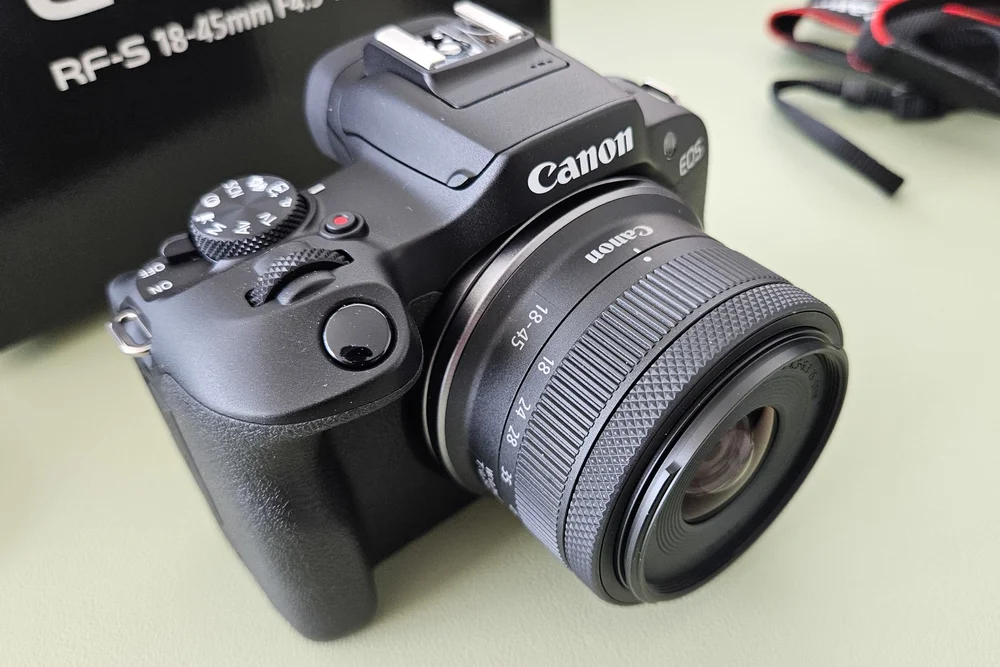
For those ready to invest in dedicated equipment, entry-level mirrorless cameras like the Canon EOS R100 or Sony a6400 in the $800–$1,500 CAD range are excellent starting points offering manual controls, interchangeable lenses, and log colour profiles for grading flexibility. Our Certificate in Videography includes a professional Canon camera, so you have the tools from day one.
Career Paths in Canada
Canada has a thriving independent film community supported by Telefilm Canada and provincial film commissions. Commercial and branded content is in constant demand as brands want cinematic quality in their marketing materials. Music videos offer creative freedom with day rates ranging from $500 to $3,000+ CAD. Documentary filmmaking is one of Canada’s strongest creative traditions. And content creation on YouTube and social media with cinematic quality stands out dramatically from the competition — our content creator course guide covers the business side of building an audience online.
Three Exercises You Can Do This Week
One: Film someone making coffee three ways — a static wide shot, a close-up of hands and details, and a slow tracking movement following them through the kitchen. Watch all three and notice how the identical action feels completely different depending on your creative choices.
Two: Position a subject near a window. Film from the same angle while moving them relative to the light source. Observe how side light, front light, and back light change the mood of the footage without changing anything else in the scene.
Three: Film one scene with your white balance set to daylight, then tungsten, then fluorescent. Watch how colour temperature alone transforms the emotional feeling of the footage.
Start Your Cinematography Education
Cinematography combines technical precision with artistic expression in a way few other disciplines can match. A cinematography course for beginners gives you the framework to start making intentional creative choices rather than pointing a camera and hoping for good results.
Explore our Certificate in Videography or browse our full range of courses to find the creative path that fits your ambitions.