
Nature photography and wildlife photography are often used interchangeably, but they are distinct specialisations with different skills, equipment requirements, and creative approaches. Understanding the difference helps you choose the right training path — and build a portfolio that serves the career or creative outlet you actually want.
A nature photography course focuses on the broader natural world — landscapes, plants, flowers, insects, weather, water, geological formations, ecosystems, and the interplay between all of these elements. Wildlife photography focuses specifically on animals in their natural habitats. Many photographers practise both, but the core techniques and equipment differ significantly.
What Nature Photography Includes
Nature photography encompasses everything in the natural world that is not specifically animal-focused. It is an enormously broad discipline that includes several distinct sub-genres.
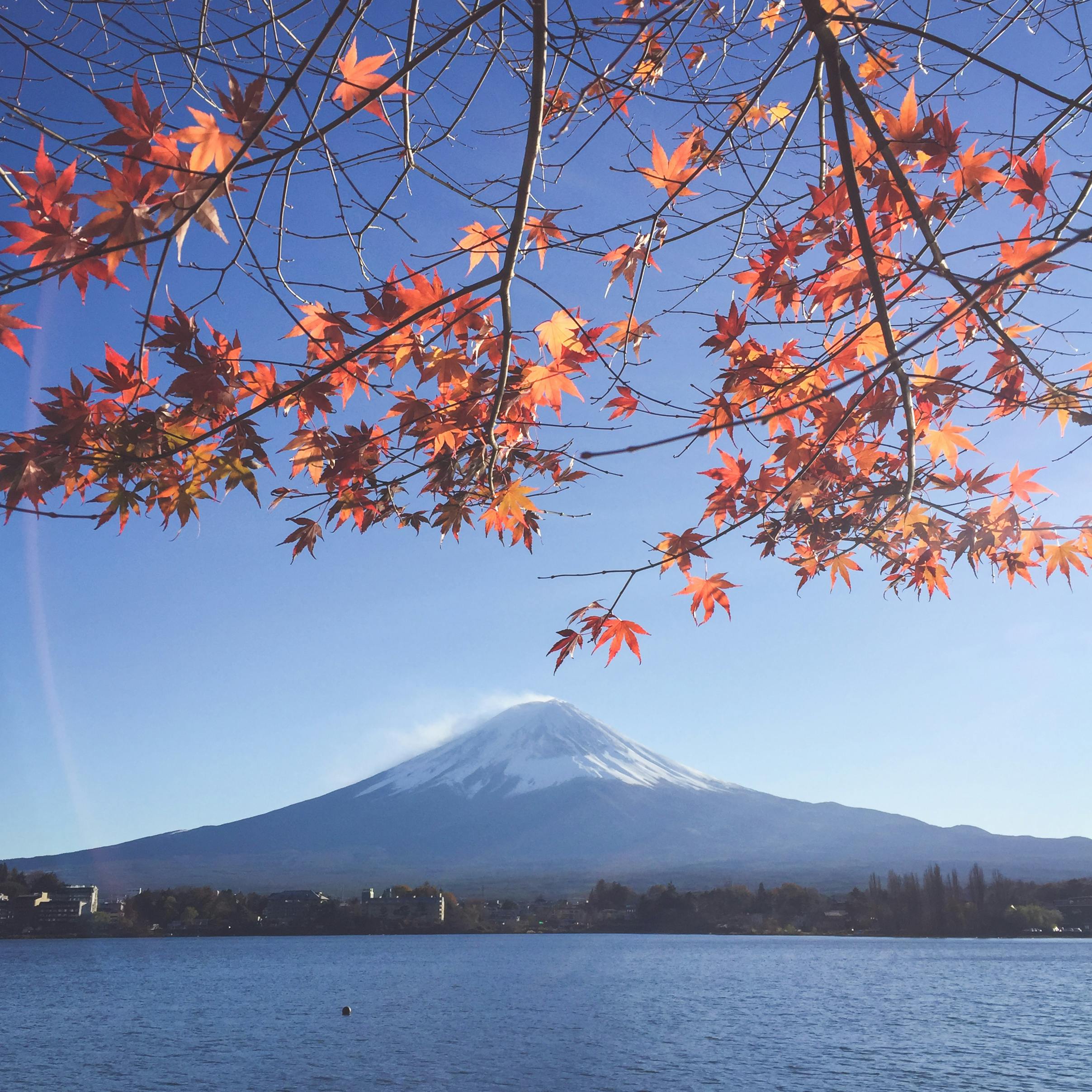
Landscape photography captures the grandeur of natural environments — mountain ranges, coastlines, prairies, forests, and waterways. It demands an understanding of light, weather, composition, and patience. Canada offers some of the most spectacular landscape subjects on earth, from the Rocky Mountains to the Maritime coastlines to the vast boreal forests stretching across the north. Our landscape photography guide for Canada covers locations, techniques, and seasonal considerations specific to Canadian environments.
Macro photography focuses on extreme close-up images of small subjects — insects, flowers, fungi, frost patterns, water droplets, textures, and details invisible to the casual observer. Macro work requires specialised lenses (typically 90–105mm macro lenses) and techniques for managing extremely shallow depth of field at close focusing distances.
Plant and botanical photography documents flowers, trees, and plant life — from wildflower meadows to individual specimens to abstract patterns within botanical subjects. This overlaps with both macro and landscape approaches depending on scale.
Weather and atmospheric photography captures storms, fog, rain, snow, ice formations, clouds, and dramatic skies. Canadian winters and the dramatic weather systems that sweep across the prairies and coastlines provide extraordinary opportunities for atmospheric photography that photographers in milder climates simply cannot access.
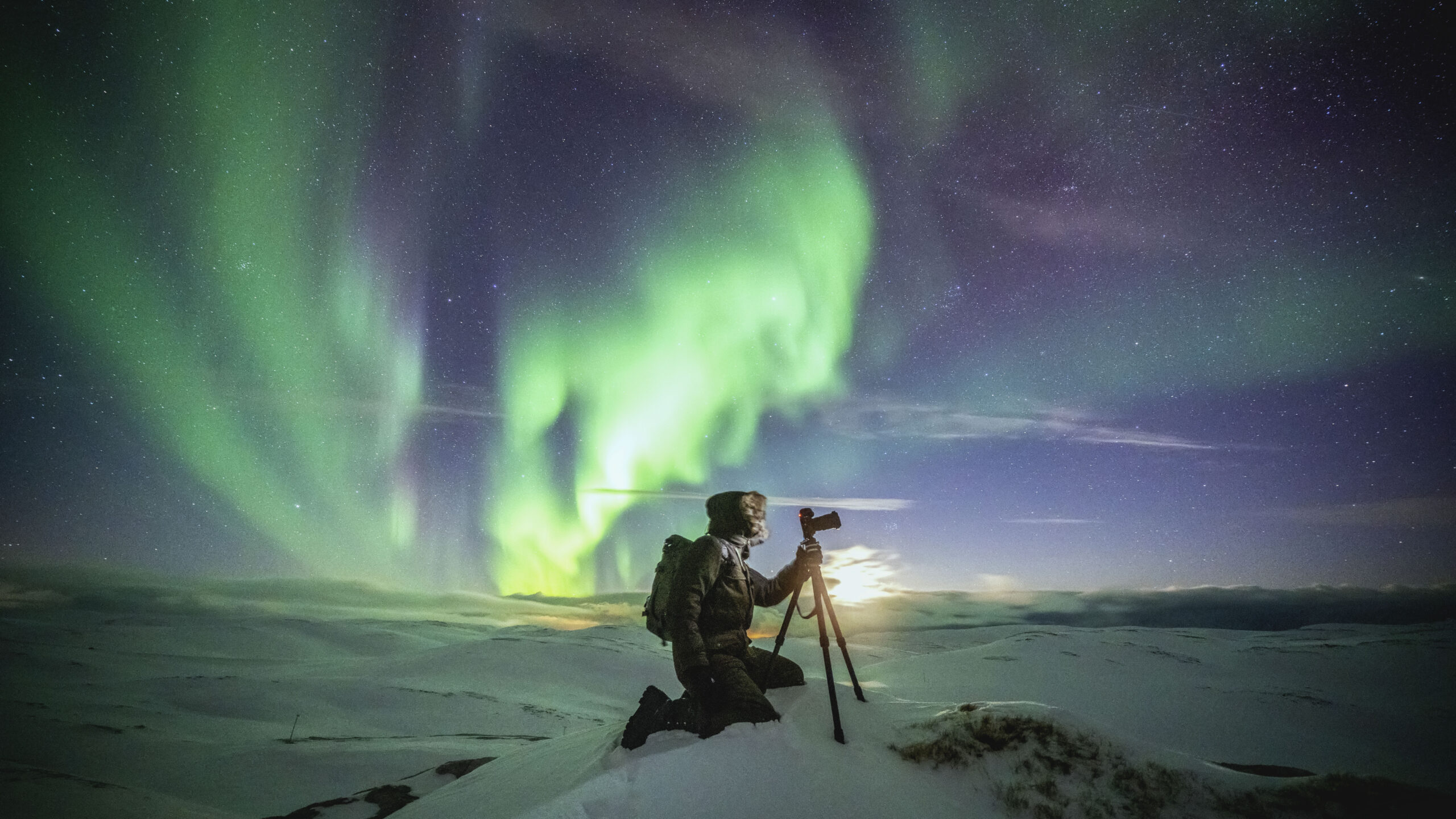
Astro and night sky photography captures stars, the Milky Way, meteor showers, and the aurora borealis — a subject Canada is uniquely positioned for. Our guide to photographing the northern lights covers the specific techniques and locations for capturing the aurora across Canada.
How Nature Photography Differs from Wildlife Photography
The most obvious difference is equipment. Wildlife photography demands long telephoto lenses — 400mm, 600mm, or longer — to photograph animals at safe distances. Nature photography uses a much wider range of lenses. Landscape work typically uses wide-angle lenses in the 14–35mm range. Macro work requires dedicated macro lenses. Plant photography uses everything from wide angles to moderate telephoto lenses depending on the composition.
The pace is different. Wildlife photography often involves long periods of waiting punctuated by brief moments of intense action when the animal appears or behaves in a photographic way. Nature photography can be more contemplative — you can study a landscape, wait for light to change, experiment with different compositions and exposures, and return to the same location repeatedly across different seasons without your subject flying away.
The creative approach differs too. Wildlife photography is largely about capturing decisive moments — behaviour, action, expression, interaction. Nature photography often emphasises mood, atmosphere, design, pattern, and the emotional response a landscape or scene evokes. Both require technical excellence, but the creative muscles are different.
According to Nature Photographers Network, one of the leading global communities for nature photography, the most successful nature photographers develop expertise across multiple sub-genres — combining landscape, macro, and atmospheric skills into a cohesive body of work that tells comprehensive stories about natural environments.
Essential Equipment for Nature Photography
A versatile kit for nature photography includes a wide-angle zoom (16–35mm) for landscapes and environmental scenes, a standard zoom (24–70mm or 24–105mm) for general nature subjects and medium-range compositions, and a macro lens (90–105mm) for close-up work with insects, flowers, and details.
A sturdy tripod is essential for landscape photography — long exposures at narrow apertures in low light demand absolute camera stability. Look for a tripod that is sturdy enough to resist wind but light enough to carry on long hikes.
Filters serve specific purposes in nature photography. A circular polariser deepens blue skies, reduces glare on water, and increases colour saturation in foliage — it is the single most useful filter for nature work. Neutral density filters enable long exposures for silky water effects and cloud movement even in bright conditions.
Lee Filters and NiSi are industry leaders in high-quality photographic filters used by professional nature photographers worldwide.
Nature Photography Techniques
Light is everything in nature photography, and the best nature photographers plan their shoots around light rather than convenience. Golden hour and blue hour produce the most dramatic and emotionally resonant landscape images. Overcast conditions create even, soft light ideal for woodland scenes, waterfalls, and macro subjects where harsh shadows would be distracting.
Composition in nature photography often follows principles of depth and layering — placing interesting elements in the foreground, mid-ground, and background to create a sense of three-dimensionality that draws the viewer into the scene. Foreground interest — a rock, a flower, a pattern in the sand — anchors a landscape composition and gives the eye a starting point.
Long exposure techniques transform moving elements like water, clouds, and grass into smooth, ethereal textures that contrast beautifully with sharp, stationary elements. Exposure times of 1–30 seconds with a tripod and neutral density filter create this effect.
Our advanced composition techniques guide covers the compositional principles that elevate nature photography from documentation to art.

Building a Nature Photography Practice in Canada
Canada is one of the best countries in the world for nature photography. The diversity of landscapes across ten provinces and three territories — temperate rainforests, alpine meadows, arctic tundra, prairie grasslands, Atlantic coastlines, boreal wilderness — provides a lifetime of subjects within driving distance of most Canadian cities.
National and provincial parks provide protected access to extraordinary landscapes. Local conservation areas, botanical gardens, and even urban green spaces offer nature photography subjects year-round. The key is to start where you are — explore your local environment thoroughly before travelling far. The most compelling nature photography often comes from intimate knowledge of a particular place across multiple seasons and conditions.
Start Your Nature Photography Education
A nature photography course gives you the technical skills and creative framework to capture the natural world with intention and artistry. Our Certificate in Wildlife Photography covers nature and wildlife techniques comprehensively, and our Certificate in Photography provides the foundational camera skills that all nature photography builds upon. Browse our full range of courses to find your path.