
Every professional photographer was once exactly where you are now — holding a camera and wondering what all those settings actually mean. The difference between staying a frustrated hobbyist and becoming a confident, skilled photographer is not talent. It is guidance. A great photography course for beginners gives you a clear path from confusion to competence, without the years of trial and error that most self-taught photographers go through.
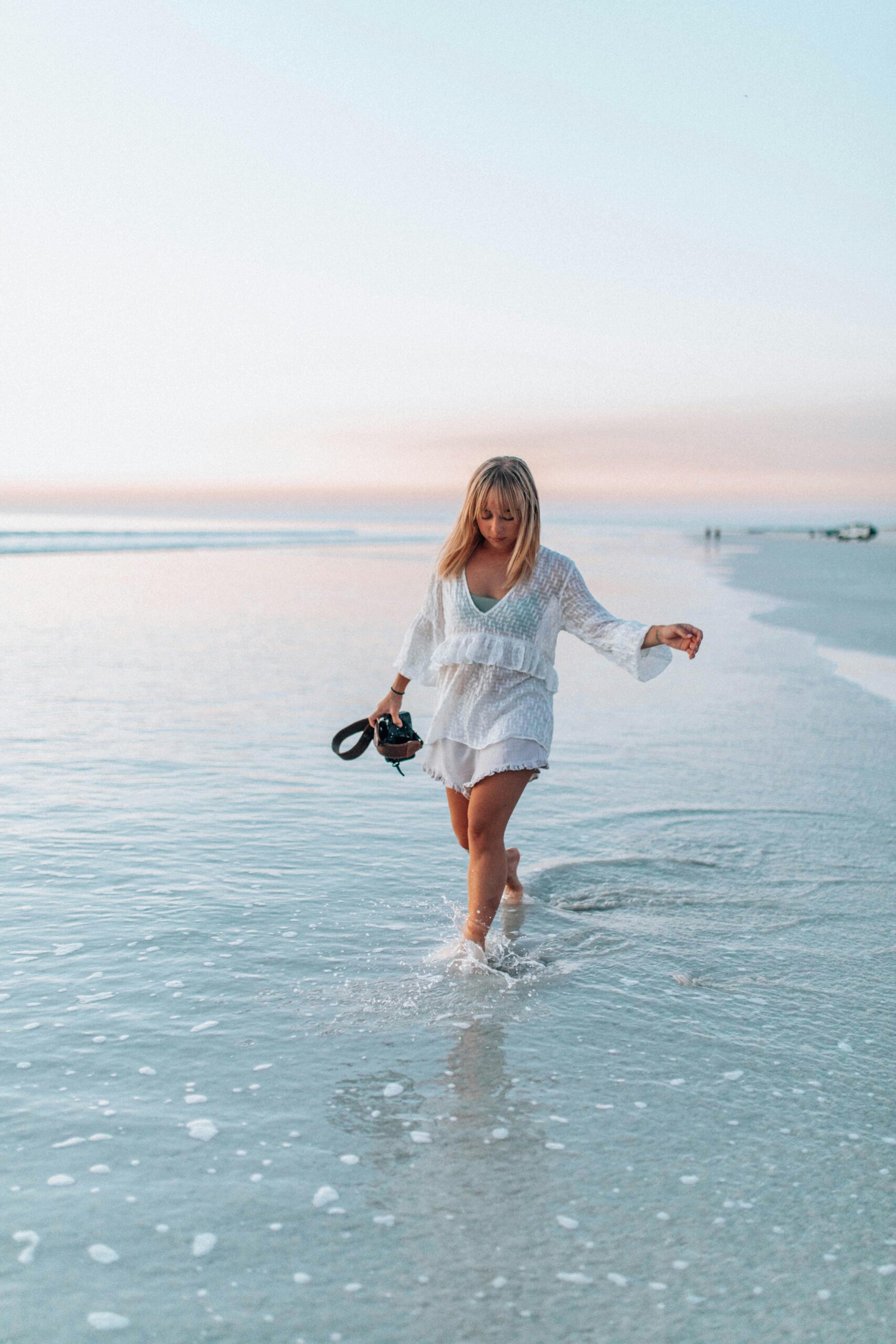
Why most beginners stay beginners (and how a course changes that)
The problem is not the photographer — it is the learning method. YouTube tutorials are disconnected fragments. Trial and error without feedback is the slowest possible way to improve. A structured course solves this by giving you a logical progression, practical assignments, and instructor feedback. Our guide to choosing the right photography course can help you understand what to look for.
What does a photography course for beginners actually cover?
Understanding your camera
You will learn what the mode dial actually does, why Auto mode is limiting you, and how to take control. Our complete guide to shooting in manual mode is an excellent companion to this section.
Exposure fundamentals
Exposure is the foundation of everything. You will learn how to read a light meter, use exposure compensation, and shoot in changing light without guessing.
Composition and framing
Technical skill captures light. Composition makes photographs. You will learn the rules — the rule of thirds, leading lines, framing, and negative space — and more importantly, when to break them. National Geographic’s photography resources offer excellent real-world examples of composition at the professional level.
Working with light
Light is the raw material of photography. You will learn how to observe and understand light — the difference between harsh midday sun and golden hour, how to position a subject relative to a window, and how to use a simple reflector. Our portrait lighting guide goes deep on this topic once you are ready to specialise.
Camera settings for different situations
You will learn which settings to use for portraits, action, landscapes, and low-light. By the end of this section, you will approach any shooting scenario with confidence.
Introduction to editing
Capturing the image is only half the job. You will learn how to edit your photos in Adobe Lightroom — adjusting exposure, white balance, colour, and sharpness to produce polished final images.
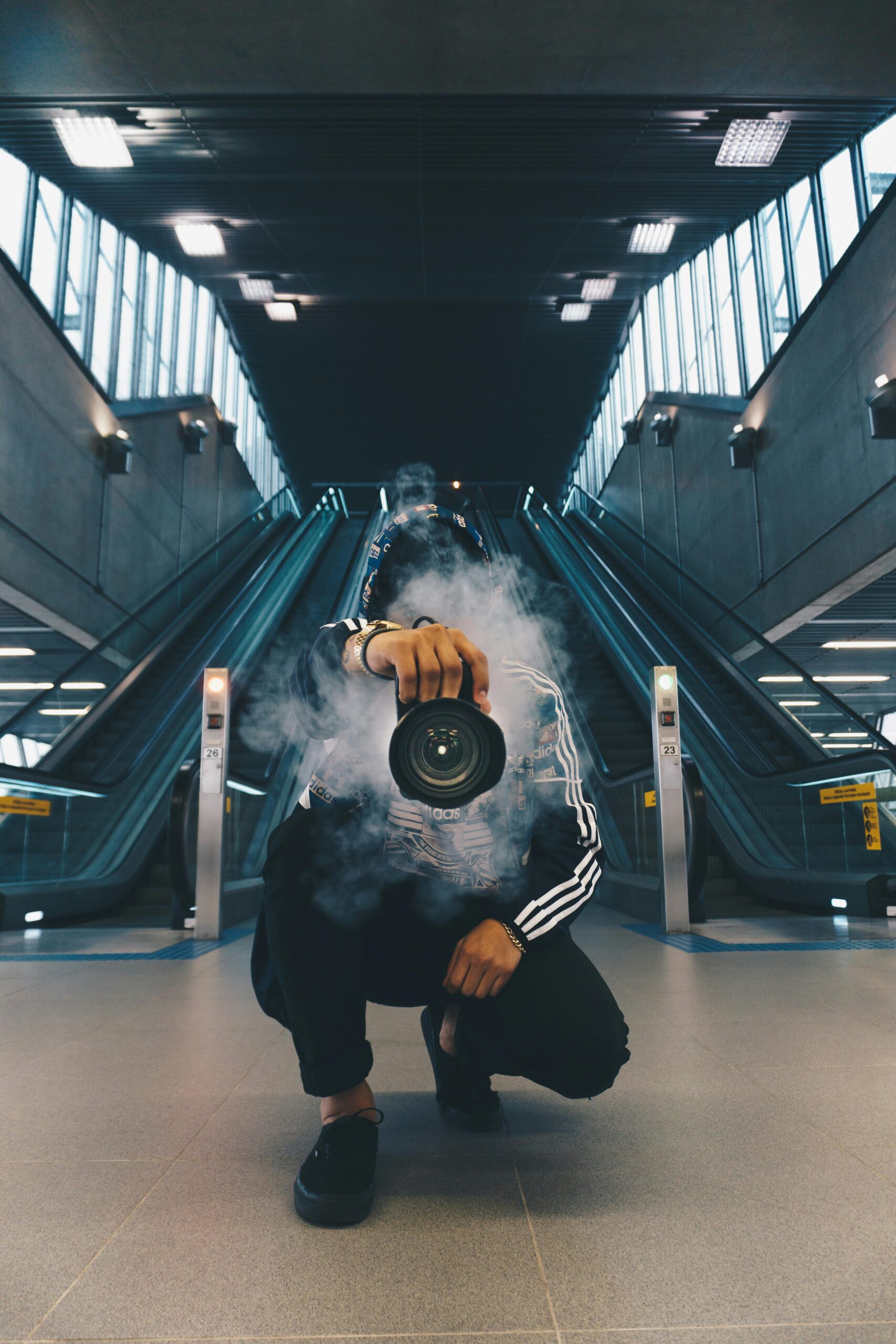
What camera do you need to start?
Option 1 — Your smartphone: Modern smartphones can teach you composition, light observation, and basic exposure.
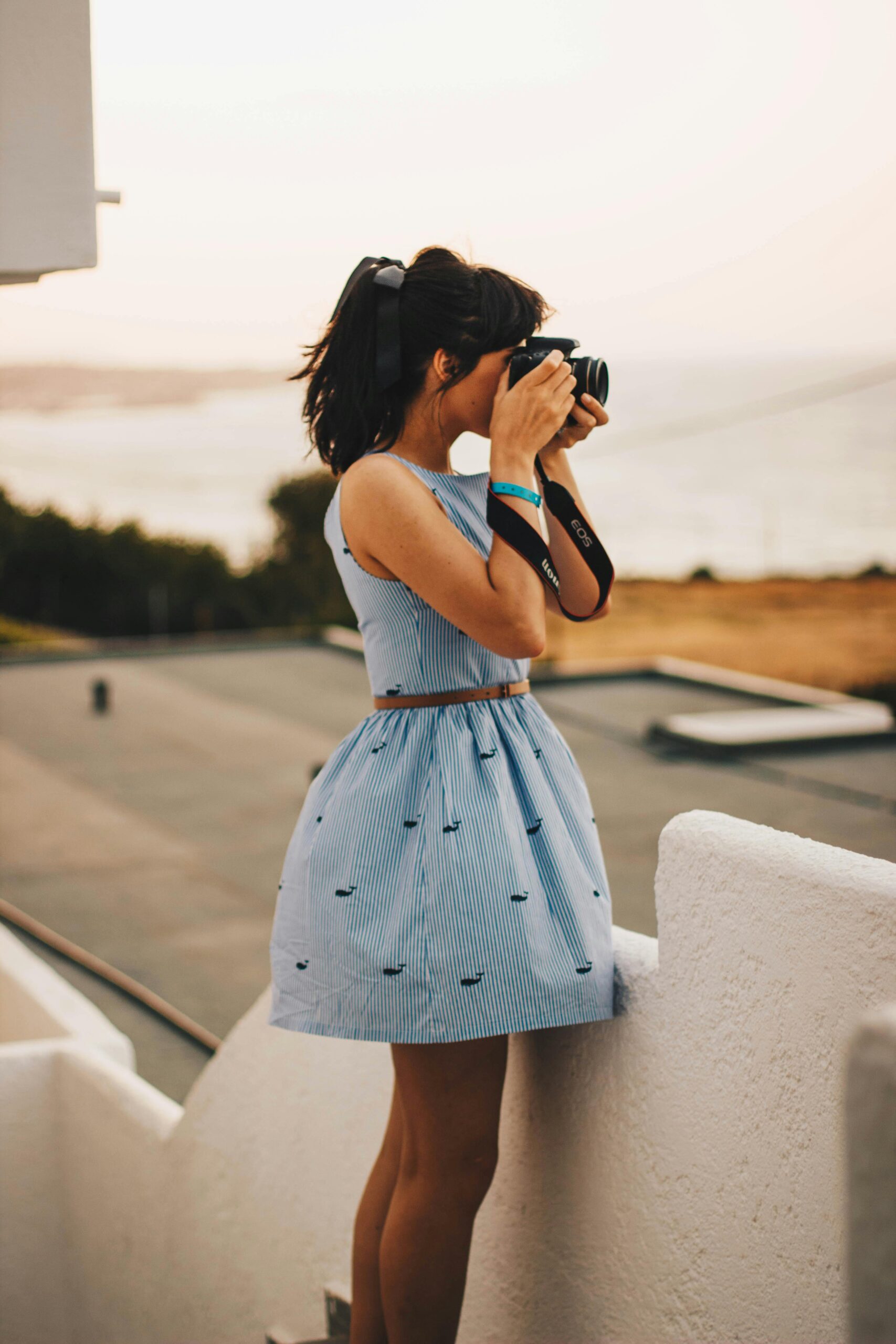
Option 2 — Entry-level DSLR or mirrorless: A used Canon Rebel T7, Nikon D3500, or Sony mirrorless can be found for $400–$700 CAD. Our Certificate in Photography includes a professional Canon mirrorless camera — so you have everything you need from enrolment.
Option 3 — Mid-range mirrorless: A Sony a6400 or Canon EOS M50 Mark II ($1,200–$2,000 CAD) gives you excellent autofocus and 4K video capability.
How long does a photography course for beginners take?
Our beginner photography course can be completed in eight to twelve weeks at three to five hours per week — at whatever pace suits your life. Here is a realistic progression:
- After two weeks: You understand the exposure triangle and have shot your first intentional photographs. See our first 30 days behind the camera guide for a detailed day-by-day roadmap.
- After one month: You are applying composition principles consistently and understanding how to work with different types of light.
- After three months: You have a growing portfolio of images you are genuinely proud of and are beginning to develop a personal style.
- After six months of practice: Many of our students have begun photographing for paying clients. Our guide to building a photography portfolio will help you get there.
What can you do with photography skills in Canada?
Portrait and family photography: Consistently in demand. See our family photography course guide for more on this niche.
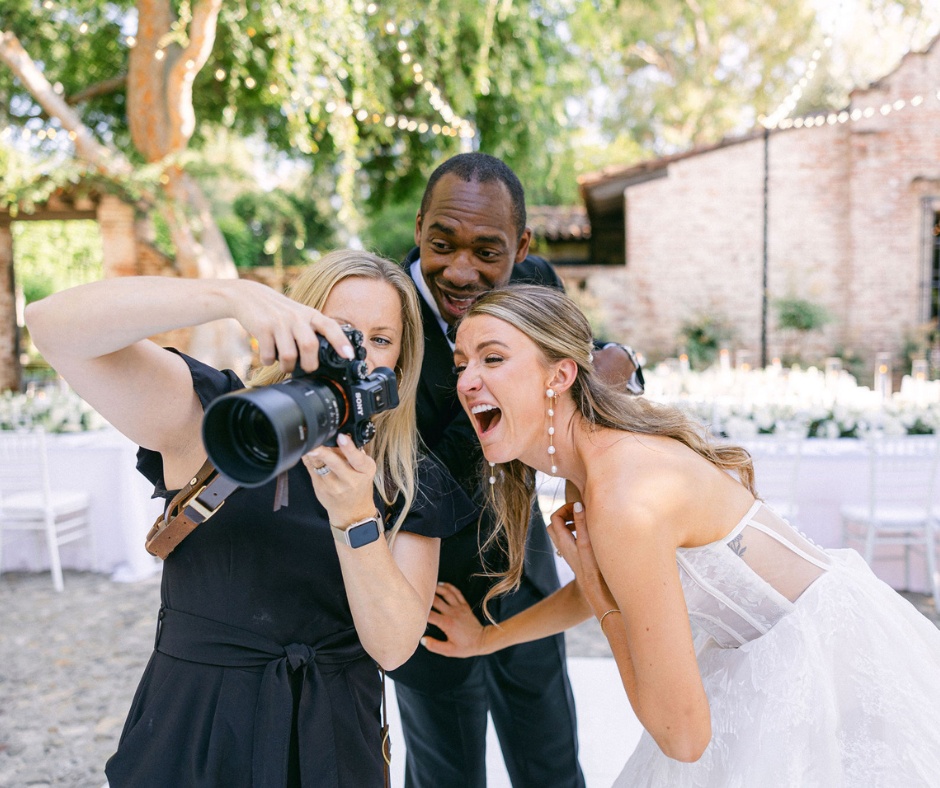
Wedding photography: One of the most lucrative photography niches. WeddingWire Canada data shows Canadian wedding photographers charge $2,500–$8,000+ per event.
Stock photography: Sell your images through platforms like Shutterstock or Adobe Stock for passive income.
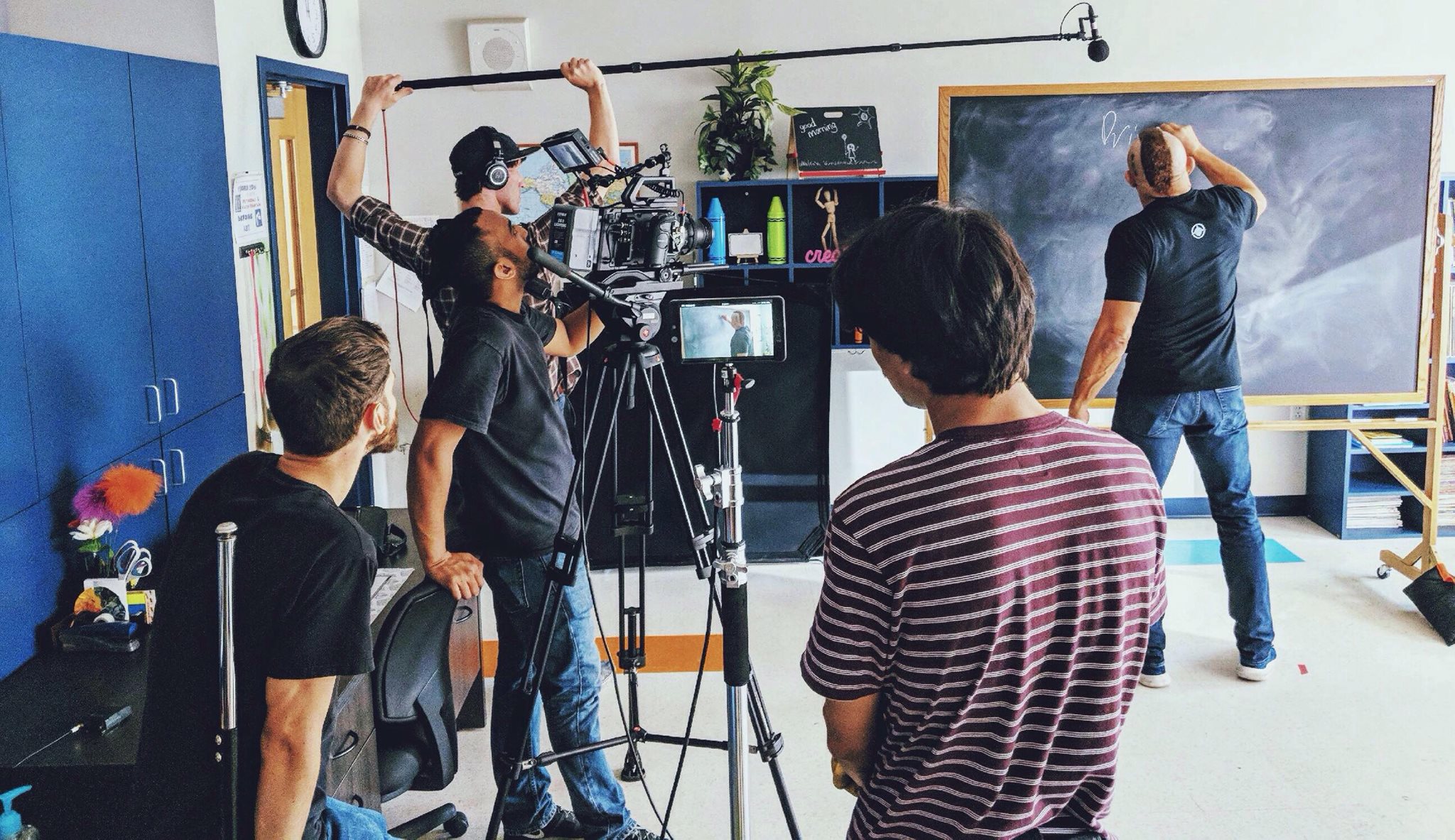
Content creation for businesses: Product photography, lifestyle photography, and social media content for Canadian brands. Our content creator course teaches how to build this into a business.
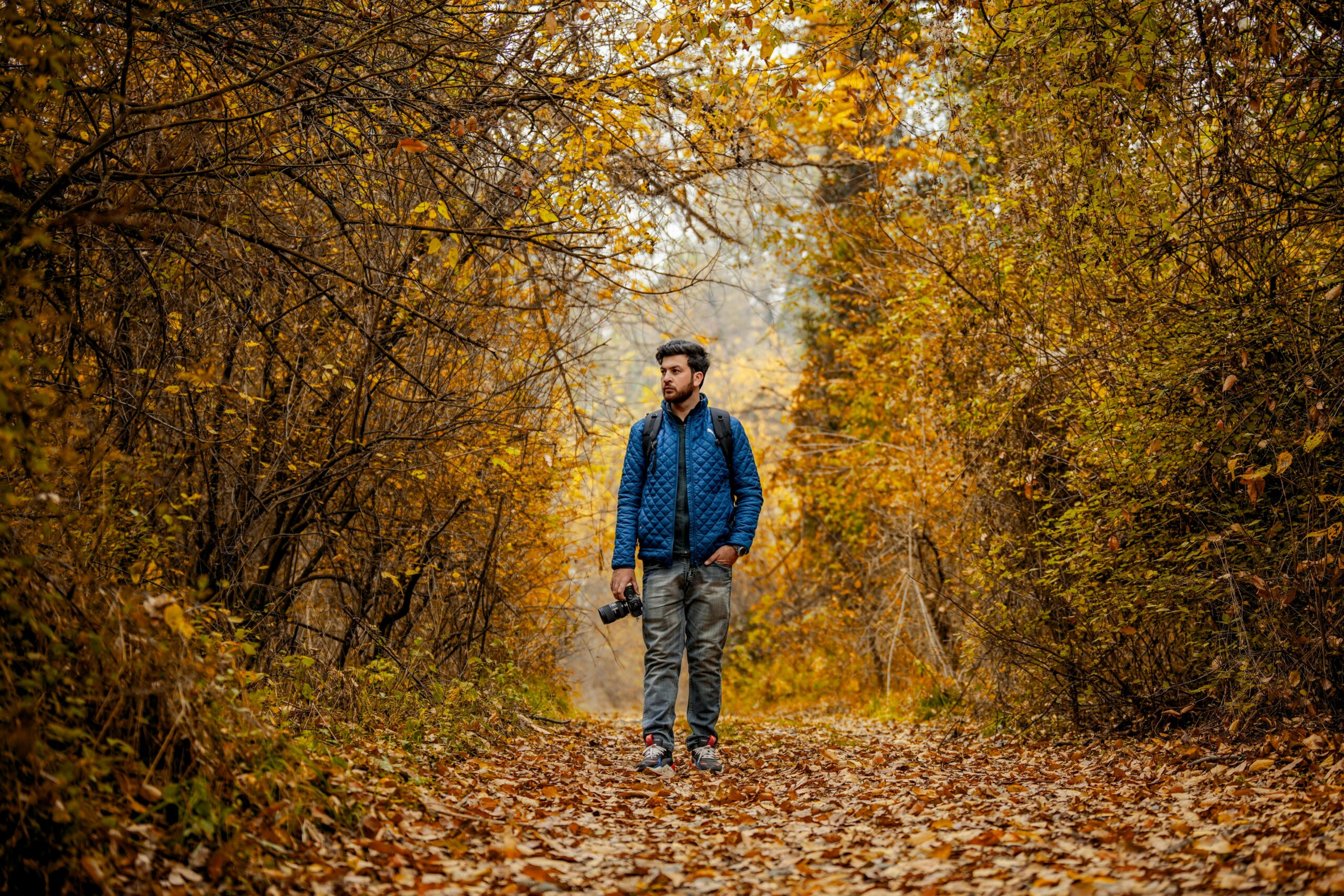
Photography for beginners — frequently asked questions
Do I need to understand technical concepts before I start? Not at all. Our Certificate in Photography starts from the very beginning.
Can I learn photography part-time around my job? Yes — our course is fully online and self-paced. According to CourseCompare.ca, online photography education is the most flexible and affordable pathway for working Canadians.
I only have a phone camera — can I still enrol? Absolutely. Many of our foundational modules apply directly to smartphone photography.
Take the first step today
Our photography course for beginners is designed specifically for the Canadian context. You will learn from instructors who work professionally in Canada and understand what it takes to build a photography career here. Ready to explore all your options? Browse our full range of online photography courses in Canada — from beginner foundations to professional specialisations including portrait photography, videography