

TikTok has fundamentally changed how people discover creative professionals. A single video can reach millions of viewers overnight — and for photographers, that translates directly into client inquiries, brand partnerships, course sales, and a growing audience that fuels every other part of your business.
A TikTok content course teaches you how to create short-form videos that capture attention, deliver value, and convert viewers into followers and clients. This guide covers what photographers specifically need to know about succeeding on TikTok in 2026 — from content strategy and hooks to editing techniques and monetisation.
Why TikTok Matters for Photographers
TikTok’s algorithm is uniquely democratic. Unlike Instagram where reach is heavily influenced by your existing follower count, TikTok distributes content based primarily on how engaging the video is — regardless of how many followers you have. A photographer with 50 followers can create a video that reaches 500,000 people if the content resonates.
This makes TikTok the single best platform for rapid audience growth and discovery. According to TikTok’s official business resources, Canadian users spend an average of 95 minutes per day on the platform, and creative education content is among the highest-engagement categories.
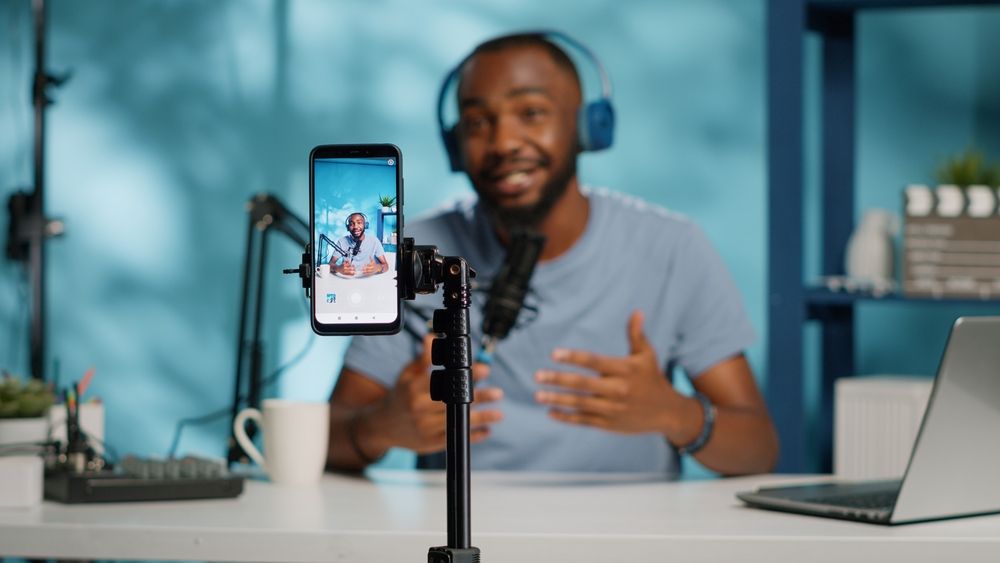
For photographers, TikTok serves multiple purposes simultaneously. It builds brand awareness and positions you as an expert. It drives traffic to your website and booking page. It attracts brand partnership opportunities. And it creates a content library that can be repurposed across Instagram Reels, YouTube Shorts, and other platforms.
Our TikTok content and photography tips guide covers additional platform-specific strategies and creative ideas for photography content.
Content Types That Work for Photographers on TikTok
Before-and-after transformations are consistently among the highest-performing content types for photographers. Show the raw, unedited image alongside the final result. Show the behind-the-scenes shooting setup alongside the polished portfolio image. Show the cluttered, ordinary location alongside the stunning photograph you created there. These transformations demonstrate skill in a visually compelling, instantly understandable way.
Behind-the-scenes footage of real shoots gives viewers an insider look at professional photography. Film your setup process, show how you direct clients, capture the moment you take the shot, and then reveal the final image. This content builds trust with potential clients who can see exactly how you work.
Quick educational tips deliver immediate value. “Three ways to improve your phone photos right now” or “The one lighting trick that transforms portraits” — short, actionable advice positions you as an expert while genuinely helping viewers improve their own photography.
Trending audio and format participation keeps your content relevant to the algorithm. Adapt popular sounds and video formats to photography themes. The combination of a trending format with niche expertise consistently outperforms generic trend participation.
The First Three Seconds: Mastering Hooks
TikTok’s algorithm measures how many viewers watch past the first three seconds of your video. If most viewers scroll away immediately, TikTok stops showing the video to new people. If viewers stay and watch, TikTok pushes it to increasingly larger audiences.
Your hook — the opening three seconds — is therefore the most important part of every video. Effective hooks for photography content include direct questions (“Want to know why your photos look amateur?”), bold claims (“This is the only camera setting that matters”), visual surprises (showing a stunning image immediately then revealing how you shot it), and pattern interrupts (unexpected movement, sound, or visual that stops the scroll).
Filming and Editing for TikTok
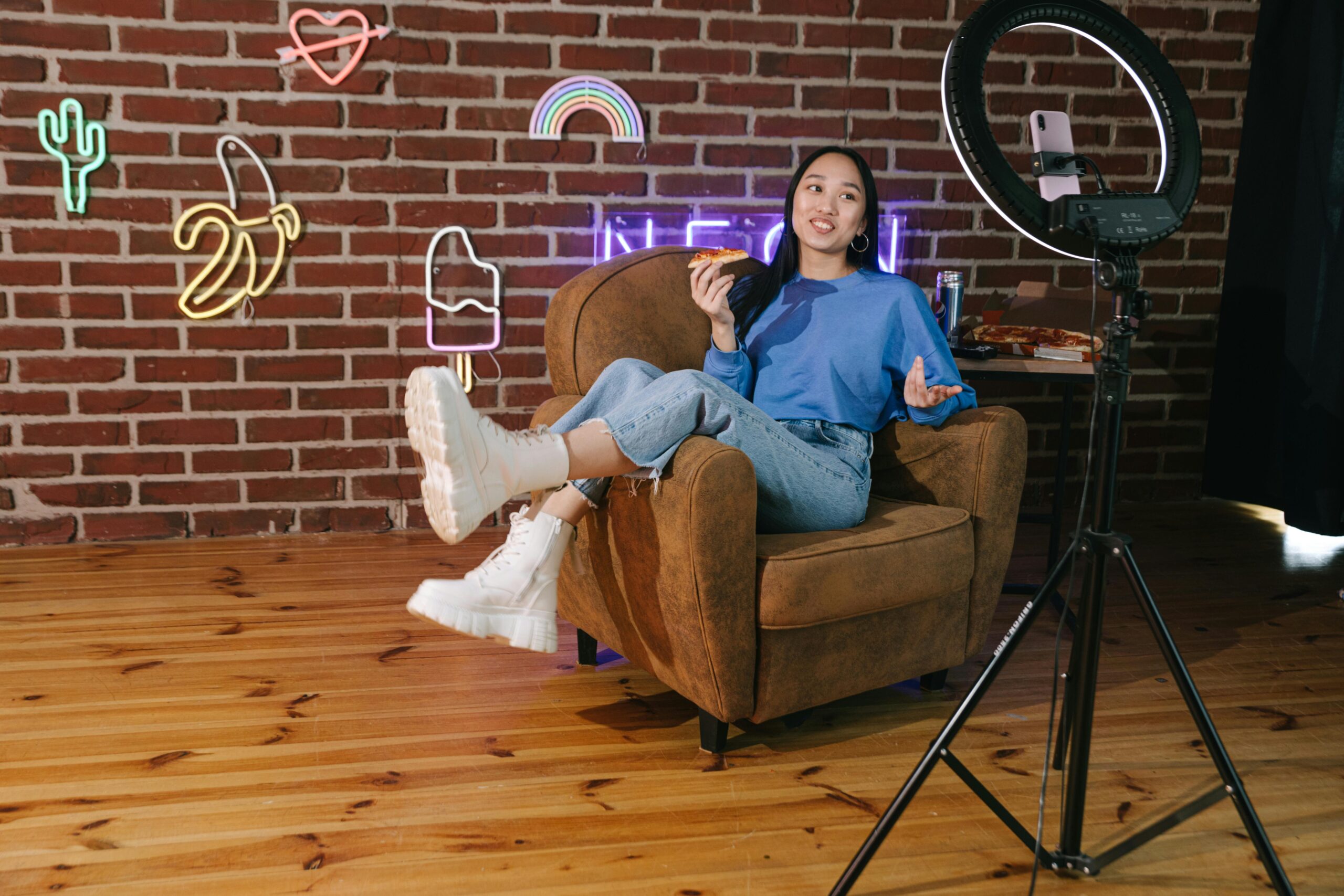
Vertical video in 9:16 aspect ratio is mandatory. Film on your phone for authentic, native-feeling content, or use your camera and crop to vertical in editing. Many successful photography TikTokers film behind-the-scenes on their phone while simultaneously shooting professional work with their camera.
Keep videos between 30 and 90 seconds for optimal algorithmic performance in 2026. Shorter is generally better — cut ruthlessly and eliminate any moment that does not add value or entertainment. Every second must earn the viewer’s attention.
Add text overlays to communicate your message even when viewed without sound — a significant portion of TikTok viewing happens silently. Use captions, on-screen text, and visual storytelling to ensure your content works both with and without audio.
CapCut — owned by TikTok’s parent company — is the most popular free video editing app for TikTok content and includes templates, effects, and features specifically designed for the platform.

Posting Strategy and Consistency
Consistency drives growth on TikTok. Aim for a minimum of four to five posts per week during your growth phase. The algorithm favours active creators who post regularly, and each video is an independent opportunity to reach a new audience.
Post timing matters but less than content quality. Generally, posting when your target audience is most active — typically early morning, lunch hour, and evening — gives your videos the best initial engagement signal. TikTok’s analytics dashboard shows when your specific followers are online.
Use three to five relevant hashtags per video. Mix broad hashtags like #photographytips with niche tags like #headshottechniques and local tags like #torontophotographer. Avoid using 20+ hashtags — it appears spammy and does not improve reach.
Monetisation on TikTok
The TikTok Creator Fund pays Canadian creators based on video views, though the per-view rate is modest — typically $20–$40 CAD per million views. Direct monetisation through the fund alone is not a significant income source for most photographers.
The real monetisation comes from what TikTok drives. Brand partnerships with photography equipment companies, software developers, and lifestyle brands pay $200–$5,000+ per sponsored video depending on your audience size and engagement rate. Client inquiries from viewers who discover your work and book sessions directly. Traffic to your website, course sales page, or other revenue-generating platforms.
Our content creator course guide covers comprehensive monetisation strategies across all platforms, and our social media marketing guide provides the broader strategic framework for turning social media presence into photography business revenue.
Repurposing TikTok Content
Every TikTok video you create can be repurposed across multiple platforms with minimal additional effort. Post the same video as an Instagram Reel, a YouTube Short, and a Facebook Reel. Each platform has its own audience and algorithm, so the same content can reach entirely different people across each one.
This content multiplication strategy means the effort you invest in creating one piece of TikTok content generates value across four or five platforms simultaneously — making the time investment dramatically more efficient.
Start Creating TikTok Content
A TikTok content course gives you the strategy and techniques to turn short-form video into a powerful growth engine for your photography career. Our Certificate in Videography covers the filming and editing fundamentals that make content creation efficient and professional. Explore our full range of courses to build both the photography skills and the content creation expertise that drive success on every platform.