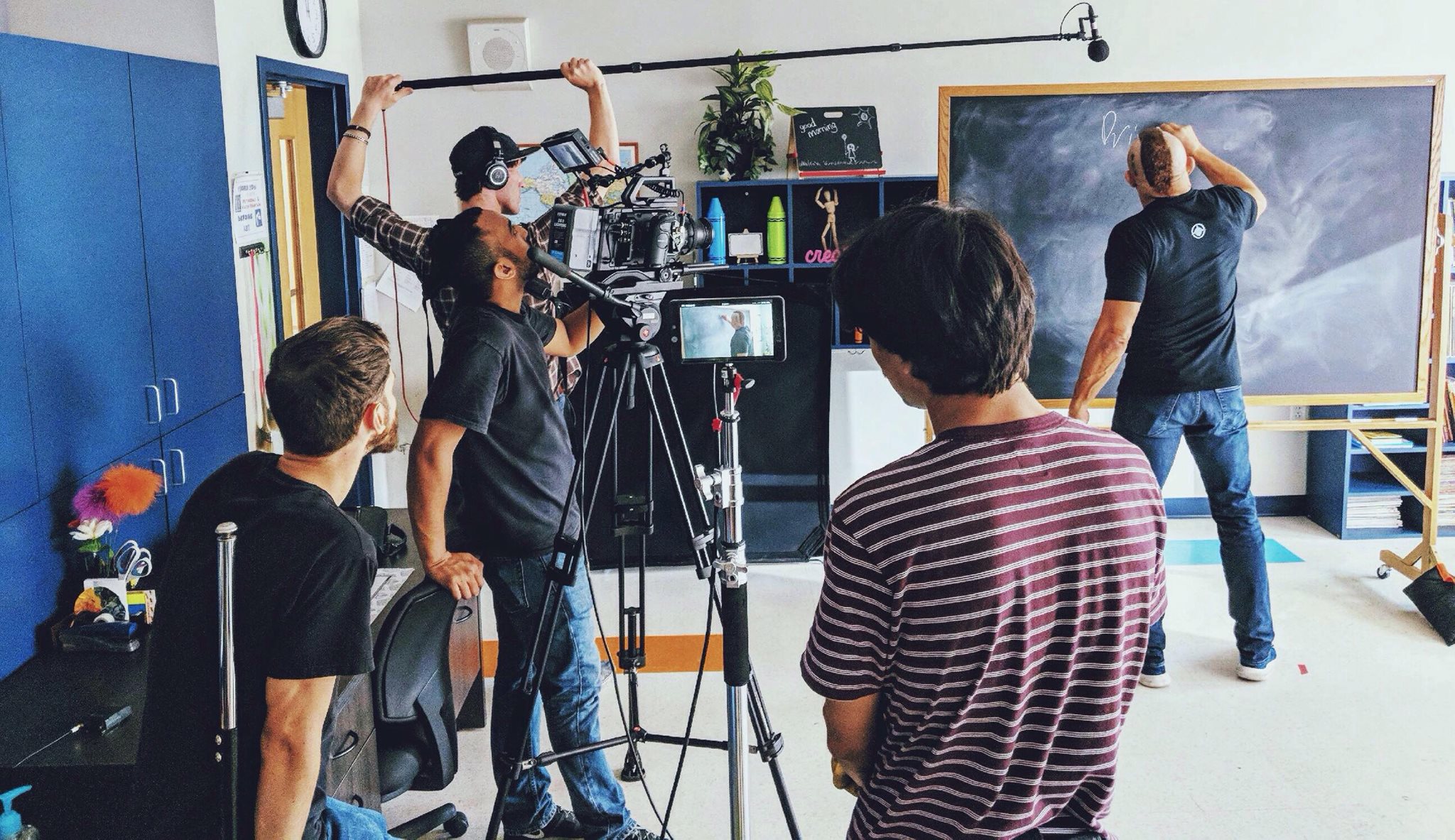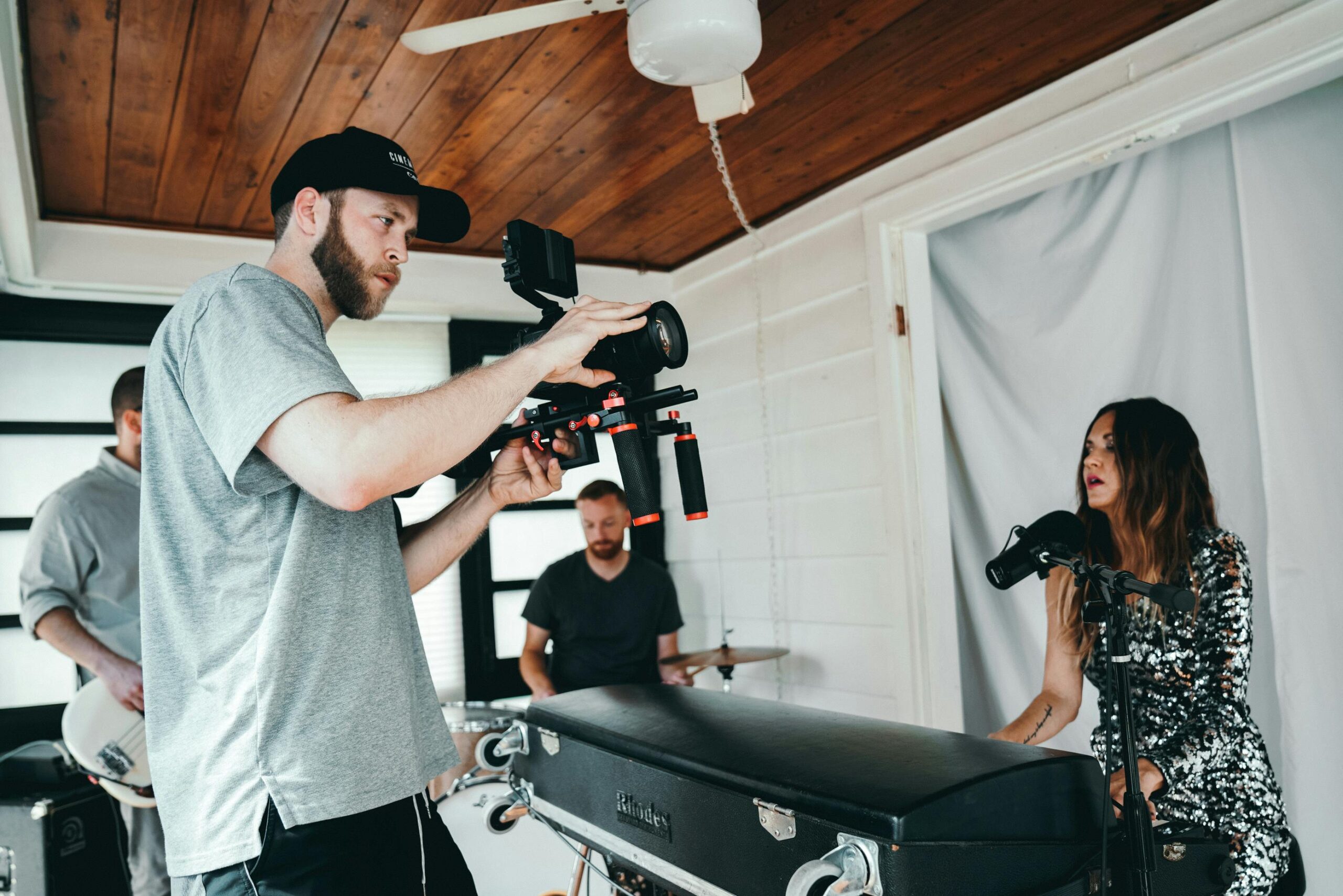

YouTube is the second largest search engine in the world, and it is where millions of people go to learn photography. If you are a photographer who can teach, inspire, or share your creative process on camera, YouTube is one of the most powerful career-building platforms available — and you do not need a massive following to see real, tangible results.
A YouTube creator course teaches you how to plan content strategically, film efficiently, optimise videos for search, and monetise your channel through multiple revenue streams. This guide covers what Canadian photographers specifically should know about building a YouTube presence that drives both audience growth and business revenue.

Why Photographers Should Be on YouTube
Authority and trust increase dramatically when potential clients discover your channel. A headshot client watching your behind-the-scenes video trusts you before they ever send an inquiry. A wedding couple seeing your creative process feels confident booking you sight unseen. A YouTube channel turns your expertise into a visible, searchable asset that works for you around the clock.
Discovery is YouTube’s superpower. Videos appear in Google search results alongside traditional web pages. A well-optimised video titled “How to Pose for Corporate Headshots” or “Wedding Photography Behind the Scenes — Toronto” will attract viewers who may become clients, students, or referral sources for years after you publish it.
Revenue comes from multiple streams. The YouTube Partner Programme pays advertising revenue once you reach 1,000 subscribers and 4,000 watch hours. Channel memberships, sponsored content, and affiliate marketing add additional layers. According to YouTube’s creator resources, the platform has paid over $70 billion to creators globally, and the photography education niche remains one of the most engaged categories on the platform.
Content Strategy for Photography Channels
Tutorials and education have the longest lifespan on YouTube. A video explaining how to use off-camera flash or how to edit a portrait in Lightroom will generate views for years after you publish it. These evergreen topics build your subscriber base steadily and position you as a trusted authority in your niche.
Behind-the-scenes content humanises your work and gives potential clients confidence. Taking viewers along on a real shoot — showing the setup, the challenges, the decision-making, and the final results — creates compelling content that both aspiring photographers and potential clients genuinely enjoy watching.
Gear reviews and comparisons are consistently popular but highly competitive. Rather than reviewing the same cameras that every major channel covers, focus on gear specific to your niche — the best lenses for headshot photography, the most portable lighting kit for location portraits, or budget audio solutions for videographers.
Portfolio and project breakdowns where you show a final image and then explain exactly how you created it combine education with portfolio showcasing. This format serves aspiring photographers learning the craft and potential clients evaluating your skills simultaneously.
Our content creator course guide covers broader content strategy for photographers building personal brands across all platforms.

YouTube SEO: Getting Your Videos Found
YouTube is a search engine, and search engine optimisation determines whether your videos get discovered or vanish into the void.
Titles should include your target search term naturally and clearly communicate the value of watching. “Portrait Photography Lighting Tutorial — 3 Simple Setups for Beginners” is far more effective than “My Lighting Video Part 1.” Front-load the most important keywords so they are visible even when titles get truncated in search results.
Descriptions should be 200 or more words and include relevant keywords naturally. Describe what the video covers, who it is for, and what the viewer will learn. Include links to your website, social profiles, and any gear or resources mentioned in the video.
Tags help YouTube understand your content and associate it with related videos. Use a mix of broad terms like “photography tutorial” and specific long-tail terms like “Rembrandt lighting setup portrait photography studio.”
Thumbnails are arguably the single most important element for getting clicks. A compelling thumbnail with clear, readable text overlay, high contrast colours, and a human face showing emotion dramatically increases click-through rates. TubeBuddy is a popular browser extension that helps optimise titles, tags, and thumbnails with data-driven recommendations based on what performs well in your niche.
Equipment for YouTube Production
You do not need a professional studio to start a successful photography YouTube channel. A well-lit room, your existing camera, and a decent microphone will produce content that competes with established channels.
For your camera, anything you already own works. Smartphones with front-facing cameras handle talking-head content well. A mirrorless camera on a tripod with a flip screen is the ideal setup for solo creators who need to see themselves while recording.
Audio quality matters more than video quality for viewer retention. Viewers will tolerate average video quality, but poor audio makes them click away within seconds. A Rode VideoMic Pro at around $250 CAD or a lavalier microphone in the $50–$150 CAD range will dramatically improve your production value. Our audio for video guide covers recording professional sound in detail.
For lighting, a single LED panel or ring light in the $50–$200 CAD range positioned at a 45-degree angle to your face creates clean, professional results. Natural window light works beautifully as well — and costs nothing.
For editing, DaVinci Resolve from Blackmagic Design is completely free and fully capable of professional YouTube editing including colour grading, audio mixing, and effects. Adobe Premiere Pro is the paid industry standard for those who prefer subscription-based software.
Monetisation for Canadian Creators
The YouTube Partner Programme provides advertising revenue. Canadian creators qualify once they reach 1,000 subscribers and 4,000 watch hours over the previous twelve months, or 10 million Shorts views in 90 days. Typical RPM — revenue per thousand views — for photography channels ranges from $3–$8 CAD depending on audience demographics and content type.
Sponsored content is where significant income starts. Photography brands, software companies, and education platforms actively sponsor photography channels. Rates vary from $500 to $10,000+ per video depending on your audience size, engagement rates, and niche authority.
Affiliate marketing earns you commissions when viewers purchase products through your links. Amazon Associates, B&H Photo, and software affiliate programmes like Adobe’s are common and straightforward to set up in the photography niche.
Driving business revenue is often the most valuable monetisation for photographers — not the direct YouTube income itself, but the clients, workshop bookings, and course enrolments that your YouTube presence generates indirectly by building trust and visibility.

Growing Your Channel
Consistency matters more than perfection. Publishing one video per week on a predictable schedule builds audience expectations and trains the algorithm to promote your content. Engage with every comment in the first 24 hours after publishing — this signals active engagement to YouTube’s recommendation system and builds community loyalty.
Collaborate with other creators in the photography space. Cross-promotion through guest appearances, joint projects, or video responses exposes your channel to established audiences who are already interested in photography content. Our social media marketing guide for photographers covers growth strategies across all platforms including YouTube.
Start Building Your YouTube Channel
A YouTube creator course gives you the strategic framework for building a channel that serves your photography career for years to come. Our Certificate in Videography covers the filming and editing skills that make YouTube production efficient and professional, and our full range of courses provides the photography expertise that becomes your content foundation.