
Why Canadian Climate Demands Specialized Photography Training
Canada’s extreme climate variations from -50°C Arctic winters to +40°C prairie summers, coastal humidity to prairie drought, and rapidly changing weather conditions create technical challenges that generic photography training often ignores. Equipment failures, condensation damage, battery death, and operational difficulties plague photographers trained in temperate climates attempting work in Canadian conditions without proper preparation.
Professional Canadian photographers must master technical adaptations enabling consistent results across conditions that would defeat less-prepared competitors. Understanding cold weather equipment protection, managing condensation, maintaining battery performance, and working safely in extreme conditions distinguishes reliable professionals from fair-weather photographers limited to ideal circumstances.
Comprehensive photography training courses serving Canadian students must address these climate-specific realities rather than providing generic instruction lacking environmental context. This guide examines essential technical skills and equipment knowledge enabling professional photography throughout Canada’s dramatic seasonal extremes and challenging weather conditions.
Winter Photography: Mastering Extreme Cold Conditions
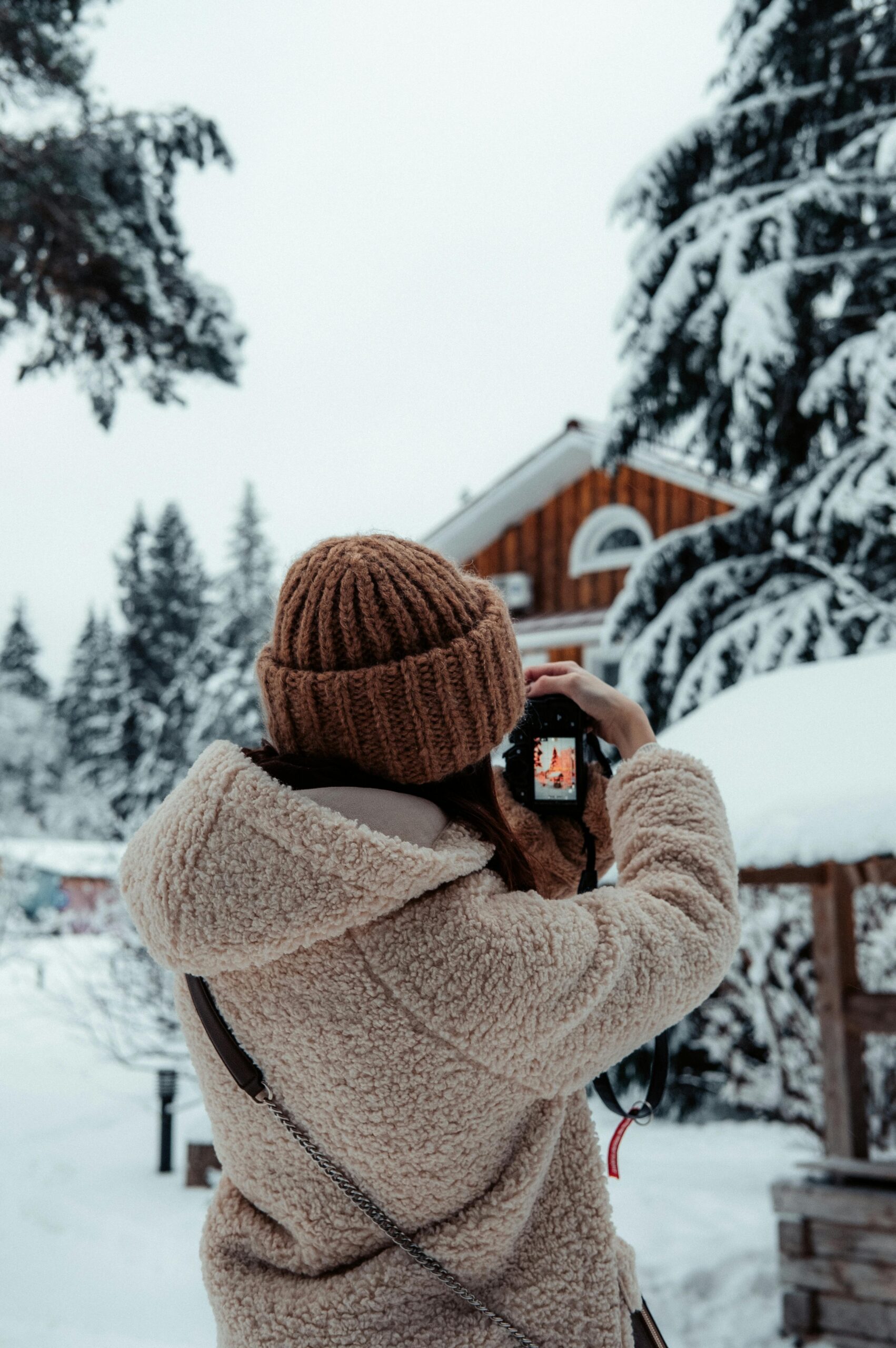
Canadian winters create photography’s most technically demanding conditions—equipment failures, battery death, condensation damage, and personal safety risks require specialized knowledge and systematic preparation. Professional training must specifically address these challenges enabling consistent operation when temperatures plunge to -30°C or -40°C with wind chill.
Equipment Protection and Cold Weather Operation
Camera weather sealing proves essential for professional Canadian winter work. Consumer cameras lacking weather sealing experience button freezing, shutter failures, and electronic malfunctions in extreme cold—professional weather-sealed bodies continue functioning reliably despite harsh conditions that disable lesser equipment.
Battery performance degradation in cold represents perhaps the most common winter challenge. Lithium batteries lose 50-70% capacity at -20°C compared to room temperature performance—photographers require multiple spare batteries kept warm in interior pockets, rotating batteries between warm reserve and cold camera use maintaining adequate power throughout sessions.
Lens fog prevention requires understanding condensation causes and prevention strategies. Moving cold equipment into warm interiors creates immediate condensation potentially damaging electronics—keeping cameras in sealed bags during temperature transitions prevents condensation while gradual warming enables safe unpacking once equipment reaches ambient temperature.
LCD screen response slowdown or complete freeze in extreme cold requires alternative composition methods. Optical viewfinders remain functional when LCD screens become sluggish or unusable—professional bodies with optical viewfinders provide operational redundancy when electronic displays fail in extreme conditions.
Cold Weather Shooting Techniques
Exposure compensation for snow scenes prevents underexposure from camera meters reading bright snow as requiring exposure reduction. Snow scenes typically require +1 to +2 stops exposure compensation maintaining proper snow brightness rather than gray snow resulting from uncorrected meter readings.
Focus challenges with gloves require camera controls remaining accessible despite hand protection. Touchscreen cameras become unusable with winter gloves—cameras with adequate physical buttons enable operation despite necessary hand protection. Some photographers use specialized photography gloves with touch-sensitive fingertips though these provide limited warmth in extreme conditions.
Composition challenges from reduced dexterity and rushed shooting in extreme cold require systematic approaches maximizing efficiency. Planning shots in advance, pre-visualizing compositions, and working quickly but deliberately prevents extended cold exposure whilst ensuring complete coverage without missed essential images.
Tripod operation in snow and ice requires understanding challenges and solutions. Metal tripods conduct cold painfully into hands—wrapping legs with foam padding provides thermal protection. Setting tripods in snow requires adequate spread preventing sinking or tipping—specialized snow shoes or wide feet improve stability on soft snow surfaces.

Personal Safety and Cold Weather Protocols
Hypothermia risk recognition and prevention proves essential for safe winter photography. Understanding early symptoms—uncontrolled shivering, confusion, slurred speech—enables recognizing dangerous situations before they become critical. Photographers must prioritize safety over photographic opportunities—no image justifies hypothermia or frostbite risk.
Layered clothing systems provide flexibility managing body temperature during varied activity levels. Base layers wicking moisture, insulating mid-layers providing warmth, and weatherproof outer shells protecting from wind and precipitation create adaptable systems maintaining comfort across extended winter shoots.
Extremity protection including proper gloves, warm footwear, and face protection prevents frostbite during extended cold exposure. Chemical hand and toe warmers provide supplementary heat during extreme conditions—photographers should carry warming supplies for emergencies or extended cold exposure.
Time limit awareness and frequent warming breaks prevent dangerous cold exposure. Professional winter photographers develop personal cold tolerance understanding and systematically limit exposure rather than pushing beyond safe limits pursuing perfect shots. Regular warming breaks in vehicles or indoor locations enable extended shooting days without dangerous cumulative cold exposure.
Summer Heat and Humidity Photography Challenges
Canadian summers while less technically challenging than winters still present equipment and operational issues requiring understanding and adaptation. Humidity, heat, and sun exposure create distinct challenges from winter extremes though still demanding technical knowledge for consistent professional results.
Heat Management and Equipment Protection
Direct sun exposure causing equipment overheating requires shade protection during summer shoots. Cameras left in sun or vehicle interiors can exceed 50-60°C—temperatures potentially damaging electronics and creating operational failures. Photographers should maintain equipment in shade, use white camera bags reflecting heat, and avoid leaving gear in vehicles during summer.
Humidity and moisture protection in coastal regions, Ontario/Quebec summers, or after rain requires weather-sealed equipment and moisture-absorbing storage. Silica gel packets in camera bags absorb moisture preventing internal condensation or mold growth on optics—particularly important in humid environments or during temperature variations.
Thermal expansion and calibration drift from heat affects precision equipment. While rarely problematic for photography (versus precision instruments), extreme heat can cause subtle focus shifts or mechanical binding. Photographers working extended periods in extreme heat should verify focus accuracy periodically ensuring heat hasn’t affected critical systems.
Battery performance improvements in warm weather mean fewer spares required compared to winter though heat still degrades batteries long-term. Avoiding extended high-temperature storage protects battery longevity—photographers shouldn’t store equipment in hot vehicles for extended periods even though batteries perform adequately during actual use in warm conditions.

Summer Shooting Technique Adaptations
Harsh midday sun creating unflattering light and extreme contrast requires strategic timing or technical solutions. Professional summer photography often concentrates during golden hours (early morning, late evening) when light quality improves dramatically. Mid-day shooting requires reflectors, fill flash, or shade creation managing harsh lighting conditions.
Heat haze and atmospheric distortion affect long-distance shots particularly during afternoon heat peaks. Understanding heat haze impact and timing shots for cooler periods improves distant landscape or wildlife photography. Early morning before sun heats air or post-sunset periods minimize atmospheric distortion effects.
Polarizing filter usage reducing reflections and increasing contrast proves particularly valuable during bright summer conditions. Understanding polarizer effects and limitations enables strategic usage enhancing skies, reducing water reflections, and managing foliage glare common in bright summer photography.
Rapid Weather Change Management
Canadian weather’s notorious unpredictability requires photographers preparing for rapid condition changes and working effectively despite deteriorating weather. Professional reliability means delivering results regardless of forecast surprises—comprehensive training addresses these operational realities.
Weather Monitoring and Preparation
Multiple weather source consultation including Environment Canada, local forecasts, and radar monitoring provides best available prediction accuracy. No single source proves perfectly reliable—cross-referencing multiple forecasts reveals probable conditions and potential surprise developments requiring contingency planning.
Backup location identification for outdoor sessions provides alternatives when weather makes primary locations unsuitable. Professional photographers scout multiple options during planning, enabling quick pivots when conditions change rather than cancelling or rescheduling disappointing clients.
Waterproof equipment protection including rain covers, plastic bags, and weatherproof bags protects gear during unexpected precipitation. Photographers should carry rain protection regardless of forecasts—Canadian weather surprises catch optimistic photographers unprepared while professionals maintain protected equipment enabling continued work despite rain.
Flexible scheduling and timeline buffers accommodate weather delays without catastrophic schedule failures. Professional photographers build schedule flexibility enabling weather adaptations—rigid timelines without buffers create crisis situations when inevitable weather surprises occur requiring adjustment.

Shooting in Precipitation and Difficult Conditions
Rain photography techniques including equipment protection, creative rain use, and client comfort management enable working through precipitation rather than cancelling. Many compelling images feature rain—understanding how to work safely while incorporating weather creatively transforms challenges into opportunities.
Umbrella usage and assistant coordination provides hands-free rain protection enabling actual photography rather than just holding umbrellas. Professional shoots might employ assistants managing umbrellas protecting photographer and clients—this systematic approach enables quality work continuing despite rain rather than just surviving conditions.
Lightning safety protocols prove essential for outdoor summer work. Understanding lightning danger, safe shelter, and when resuming activities protects photographers and clients. No photograph justifies lightning risk—professional judgment prioritizes safety over completing shoots when dangerous conditions develop.
Snow and winter precipitation create magical atmospheres though technical challenges. Understanding proper exposure for falling snow, focus techniques with precipitation, and equipment protection enables beautiful winter precipitation imagery rather than just avoiding these challenging but visually compelling conditions.
Canadian-Specific Regional Climate Considerations
Canada’s vast geography creates regional climate variations requiring location-specific knowledge and adaptation. Training for Canadian photographers should address these regional differences rather than assuming uniform national conditions.

Coastal Climate Challenges
Maritime humidity in Atlantic Canada and BC coastal regions creates persistent moisture concerns requiring vigilant equipment protection. Photographers in these regions should maintain silica gel storage, regularly inspect equipment for mold, and understand that humidity represents constant concern rather than occasional issue.
Rapid weather changes from oceanic influences create forecast unreliability requiring flexible planning and backup strategies. Coastal photographers develop pragmatic approaches assuming weather uncertainty rather than relying on forecasts—this mindset prevents disappointment and enables opportunistic shooting when conditions improve unexpectedly.
Salt air corrosion in coastal environments damages equipment faster than inland locations. Photographers working near oceans should clean equipment regularly, protect from salt spray, and recognize that equipment depreciation accelerates in coastal environments versus inland locations.
Prairie Climate Extremes
Temperature extremes from -40°C winters to +35°C summers require equipment and photographers functioning across dramatic seasonal variations. Prairie photographers need complete winter and summer equipment knowledge—conditions span ranges exceeding most global photographers’ experience.
Low humidity year-round creates dust concerns particularly during dry seasons. Prairie photographers should protect equipment from dust infiltration, clean sensors regularly, and recognize that dust represents ongoing challenge rather than occasional inconvenience.
High winds common on prairies create equipment stability challenges and debris concerns. Tripods require extra stability, photographers should protect equipment from wind-blown particles, and understanding wind effects on compositions and stability proves essential for prairie work.
Northern and Arctic Photography
Extreme cold to -50°C or lower creates operational challenges exceeding southern Canadian winter photography. Northern photographers require most robust equipment, extensive battery supplies, and thorough understanding of extreme cold operation—conditions that occasionally challenge southern Canadian photographers represent normal operating environment in northern regions.
Extended darkness during winter months limits photography opportunities though creates spectacular northern lights photography opportunities. Northern photographers must adapt to extreme seasonal light variations—summer midnight sun contrasting with winter darkness requires completely different operational approaches between seasons.
Limited repair facilities and equipment access requires northern photographers maintaining extensive backup equipment and repair capability. Equipment failure in Yellowknife or Iqaluit can’t be quickly resolved with Toronto repairs—northern photographers need self-sufficiency impossible for urban photographers accustomed to nearby repair services and equipment rental options.
Equipment Selection for Canadian Conditions
Choosing appropriate equipment for Canadian photography requires understanding which features prove essential versus luxury in challenging climate conditions. Professional training should guide equipment investment prioritizing capabilities critical for Canadian operational success.
Weather-Sealed Body and Lens Requirements
Professional-grade weather sealing proves essential rather than optional for serious Canadian photography. Consumer cameras lacking weather sealing fail in moisture, snow, or dust—professional weather-sealed bodies justify premium prices through reliable operation in Canadian conditions defeating lesser equipment.
Lens weather sealing proves equally important as body sealing. Weather-sealed bodies with non-sealed lenses still allow moisture infiltration through lens mounting—complete system weather sealing from body through lenses provides genuine environmental protection rather than false security from partially-sealed systems.
Cold-weather battery performance requires understanding which batteries maintain capacity in extreme cold. Some battery chemistries perform better than others in cold—photographers should research cold-weather battery performance rather than discovering limitations during critical shoots.
Backup Equipment Necessity
Dual camera bodies prove essential for professional Canadian work. Equipment failure in extreme conditions, remote locations, or during critical events requires immediate backup rather than hoping single bodies never fail. Professional photographers never shoot important work without backup bodies regardless of primary camera reliability.
Multiple lenses and backup options ensure continued operation despite individual lens failures. While less critical than backup bodies, lens redundancy provides operational security—particularly for specialized lenses difficult to replace quickly.
Memory card redundancy through multiple cards prevents complete session losses from card failures. Professional workflows never depend on single cards—systematic backup and multiple card usage protects irreplaceable imagery from electronic failures.
Battery surplus maintaining ample power reserves throughout shoots prevents running out during critical moments. Canadian conditions particularly winters consume batteries rapidly—photographers should carry 3-4 spare batteries minimum even for moderate-length shoots ensuring adequate power despite accelerated consumption.
Launch Your Canadian Photography Career with Climate-Appropriate Training
Canadian photography demands technical knowledge and equipment capabilities addressing extreme climate challenges that temperate training ignores. Comprehensive training specifically addressing Canadian conditions prepares you completely for professional success across harsh winters, humid summers, rapid weather changes, and regional climate variations.
Canadian Photography School’s professional photography course addresses Canadian climate realities throughout technical instruction, ensuring you understand equipment protection, operational adaptations, and safety protocols essential for reliable Canadian photography. With weather-sealed professional equipment included and payment plans from $35/week CAD, begin your Canadian photography career properly equipped and trained for climate challenges.
Whether pursuing wedding photography, portrait photography, or wildlife photography, understanding Canadian climate challenges proves essential for professional reliability across seasonal extremes and weather conditions characterizing Canadian photography throughout the year.