
Searching for a professional photography course in Canada is easy. Choosing the right one is harder. The market is full of options — weekend workshops, university certificate programs, YouTube tutorials repackaged as courses, and genuinely comprehensive professional training. The difference between them is significant, and choosing the wrong one will cost you time, money, and momentum.
This guide cuts through the noise. It explains what a genuinely professional photography course should include, what outcomes you can realistically expect, what questions to ask before enrolling, and how Canadian Photography School compares to other options in the market.

What separates a professional photography course from a beginner course?
A beginner course teaches you how cameras work. A professional photography course takes you significantly further — into the territory where you can charge professional rates and operate a sustainable business. Our Certificate in Professional Photography covers:
- Advanced technical skills — mastery of exposure, light metering, flash and studio lighting, and complex shooting scenarios
- Specialisation — deep training in specific genres rather than surface-level coverage of everything
- Editing and post-production workflow — professional-grade editing in Adobe Lightroom and Photoshop, including batch processing and client delivery
- Business operations — pricing strategy, legal contracts, client communication. Our photography pricing guide and contracts guide are companion resources
- Marketing — building a portfolio, attracting clients, social media for photographers, and positioning yourself in the Canadian market
What outcomes should you expect from a professional photography course?
Here is a realistic outcome timeline for a committed student:
Three to six months: You have mastered your camera in manual mode, can work with natural and artificial light confidently, and have begun producing work that meets professional standards. If you are not yet there on manual mode, our complete guide to shooting in manual mode is a great starting point.
Six to twelve months: You have a professional portfolio, have completed your first paid client work, and are beginning to market your services. Our guide to building a photography portfolio and our guide to getting your first 10 photography clients are essential reading at this stage.
One to two years: You have a growing client base, consistent income, and a strong reputation in your local market or specialisation. According to the Canadian Job Bank, the outlook for photography professionals in Canada remains balanced through 2031, with consistent demand across major cities.

What to look for when choosing a professional photography course in Canada
1. Canadian-specific content
Canada has its own photographic market, legal environment, pricing norms, and seasonal shooting conditions. According to CourseCompare.ca, students consistently report better outcomes from courses designed for the Canadian market specifically. A course built for Australian or American students will not address the specifics of working with Canadian clients, navigating Canadian contract law, or shooting in Canadian winters.
2. Instructor credentials
Who is teaching — and do they actually work as professional photographers? The best photography instructors are active professionals. Look at their portfolio and their client work. Our about page introduces our instructors and their professional backgrounds.
3. Curriculum depth
Skim the curriculum carefully. A professional photography course should have substantive modules on business and marketing — not just technique. If a course is 90 percent camera settings and 10 percent business, it will leave you technically capable but professionally unprepared.
4. Student outcomes
Ask for testimonials and examples of student work. The photography business course guide on our blog gives a detailed picture of what outcome-focused professional training looks like in practice.
5. Ongoing support
The best professional photography courses offer ongoing access to communities, feedback mechanisms, and instructor support — not just a fixed course window that closes after 30 days.
Why photographers who take professional courses out-earn self-taught photographers
They avoid expensive gear mistakes: Self-taught photographers often spend years and significant money on gear before understanding what actually improves their work.
They learn to price correctly from the start: Underpricing is the most common reason talented photographers fail as businesses. Our photography pricing guide for Canadian freelancers covers this systematically.
They build a portfolio, not just a photo collection: Our guide to building a photography portfolio teaches you how to curate work that attracts clients, not just images you personally like.
They understand the business: Contracts, copyright, model releases, client communication, invoicing — covered systematically in our photography business contracts guide and photography business course.
How does Canadian Photography School’s professional photography course compare?
Canadian Photography School was built specifically for Canadian photographers. Our Certificate in Professional Photography covers 13 lessons across photography specialties, with personalised feedback from experienced professionals. We also offer specialisation tracks including:
- Portrait photography — for those focused on people and studio work
- Videography — for those adding video to their skill set
- Content creation — for those building a social media and brand presence
- Photography business — for those focused on the commercial and entrepreneurial side
What photography specialisation should you choose?
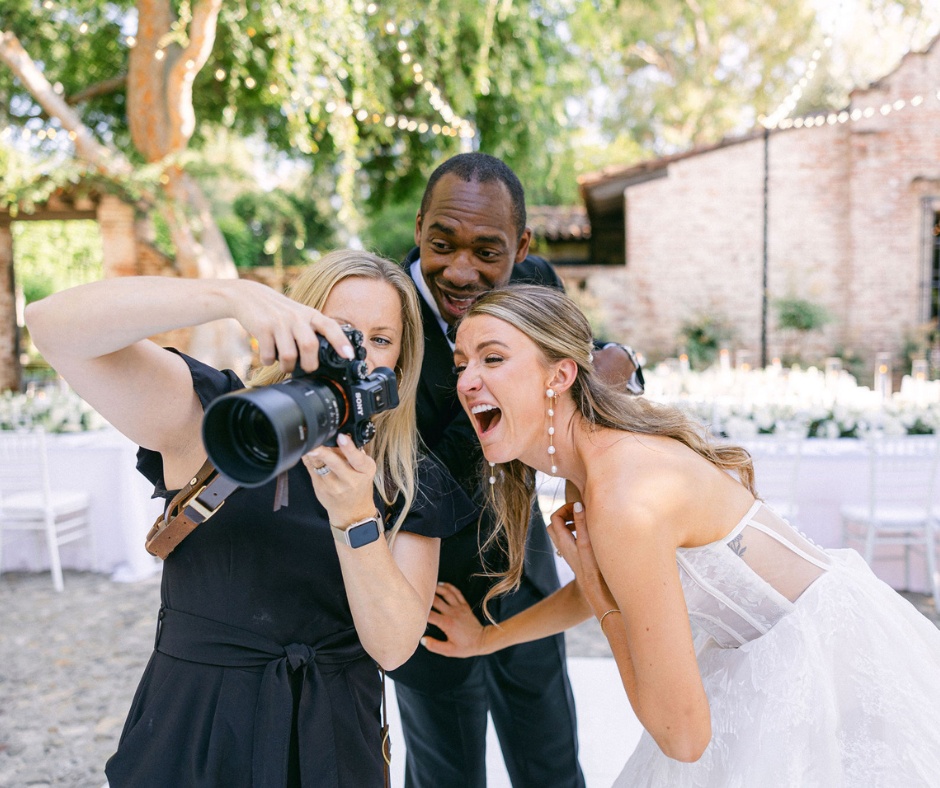
Wedding photography: Highest earning potential per event ($2,500–$8,000+ CAD). WeddingWire Canada data shows consistent demand year-round.
Portrait photography: Consistent demand and scalable income. See our dedicated portrait photography course guide for a full breakdown.
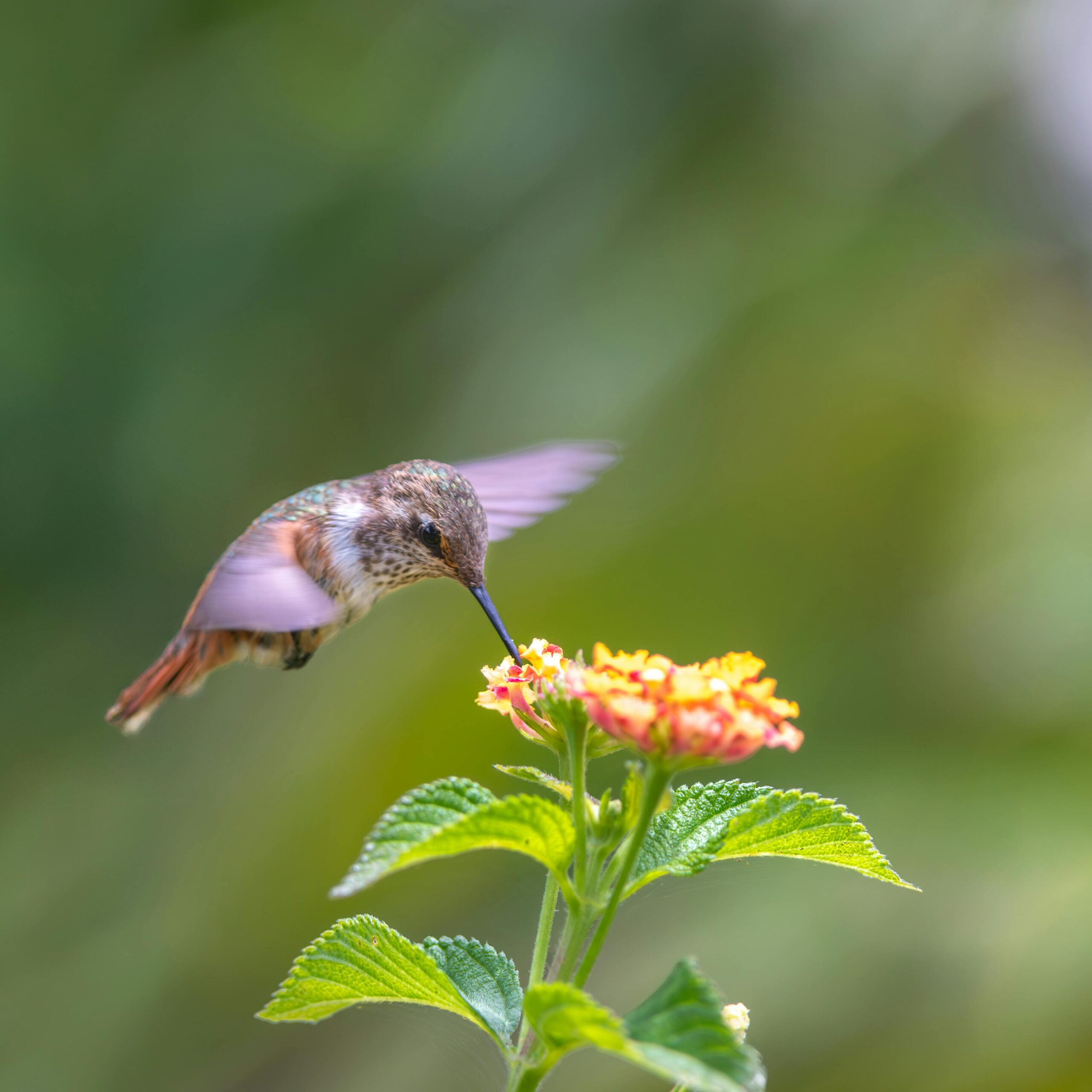
Wildlife photography: Canada’s natural environment makes this a genuine specialisation opportunity. Our wildlife photography ethics guide is required reading for anyone considering this path. Photographers can license images on platforms like Shutterstock and Adobe Stock.
Real estate photography: High volume, predictable income, repeat clients. One of the most stable photography niches in Canada.
Questions to ask before enrolling in a professional photography course
- Who are the instructors and can I see their professional work?
- Is the course content specifically designed for the Canadian market?
- What is the curriculum depth on business skills, pricing, and marketing?
- Is there instructor feedback built into the course, or is it purely self-paced video?
- What do graduates of this course actually do? Can I see outcomes?
- What support is available after course completion?
Invest in your professional photography education today
The difference between a photographer who charges $150 for a session and one who charges $800 is rarely the camera. It is the training, the portfolio, the business knowledge, and the confidence that comes from genuine professional development.
Explore our Certificate in Professional Photography, review our full range of online photography courses in Canada, or read our complete guide to online photography courses for Canadian students to understand all your options before committing.