
Video is everywhere. Every business needs it, every social platform rewards it, and every creative industry has been transformed by it. Whether you want to shoot weddings, create YouTube content, produce branded videos for Canadian businesses, or tell documentary stories, enrolling in a videography course is the most direct path from where you are now to where you want to be.
This guide walks you through exactly what a videography course covers, what gear you need, how the Canadian video industry works, and what career paths are genuinely available to you.
What is a videography course?
A videography course teaches you how to capture, edit, and deliver professional-quality video. Unlike a four-year film school degree, a practical videography course focuses on the skills that actually get you hired or help you build a client base — fast. A comprehensive course covers:
- Camera operation — exposure, frame rates, shutter angle, and colour profiles
- Composition and movement — how to frame compelling shots and move the camera purposefully
- Audio recording — the element most beginners neglect and clients notice first. See our dedicated guide to audio for video
- Lighting for video — from natural light run-and-gun shooting to controlled studio setups
- Video editing — assembling footage, pacing, music, colour grading in DaVinci Resolve or Adobe Premiere Pro
- Storytelling structure — how to make a video that holds a viewer’s attention
Why videography skills are in high demand across Canada
According to Statistics Canada, the digital content sector has seen sustained growth year-on-year, with video being the primary driver. Here is why now is an excellent time to invest in a videography course:
Social media demand: Every Canadian business needs video content for Instagram Reels, TikTok, YouTube, and LinkedIn. The demand for skilled videographers who can work quickly and affordably is enormous. Our TikTok content and photography course guide covers how this intersects with photography skills.
Wedding videography: Canadian couples increasingly consider videography as important as photography. According to WeddingWire Canada, wedding videographers in major markets charge $2,000–$7,000+ per wedding.
Corporate video: From training videos to product launches to executive communications, Canadian businesses spend significantly on professional video production.
Content creation: The creator economy is mature in Canada. Our content creation course covers how to build a business around original video content.
What you will learn in the Canadian Photography School videography course
Camera fundamentals for video
Photography and videography share a foundation, but video introduces unique technical requirements. Our Certificate in Videography covers frame rates (24fps for cinematic feel, 60fps for slow motion), the 180-degree shutter rule, picture profiles and log footage, and how to expose correctly for video.
Storytelling and shot craft
The biggest difference between amateur and professional video is not gear — it is intentionality. You will learn how to plan a shot list, use b-roll effectively, and construct a video that holds attention from the first second to the last.
Audio for video
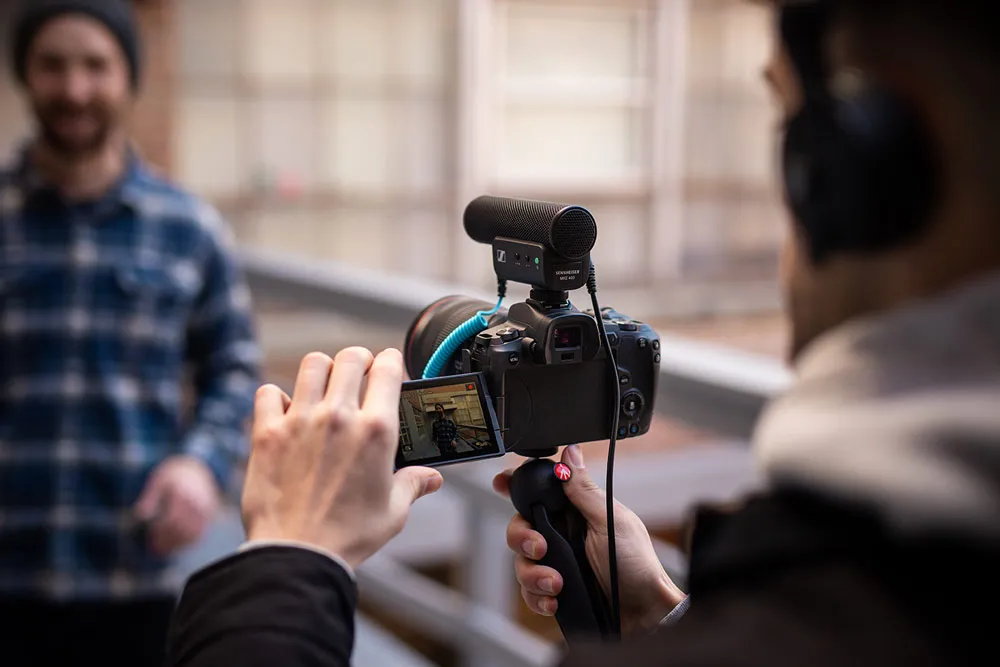
Poor audio kills good video. You will learn how to record clean dialogue with lavalier and shotgun microphones from brands like Rode, how to monitor audio levels on location, and how to clean up audio problems in post. See our full audio for video guide for more detail.
Video editing
You will learn the editing process end-to-end in DaVinci Resolve or Adobe Premiere Pro. Our video editing course companion blog is an excellent supplementary resource covering software-specific techniques.
Videography business skills
You will learn how to price video projects for the Canadian market, how to write video production contracts, and how to market your videography services. Our photography pricing guide for Canadian freelancers covers the pricing principles that apply equally to videography work.
What camera gear do you need for a videography course?
Most modern cameras shoot excellent video. You do not need a cinema camera.
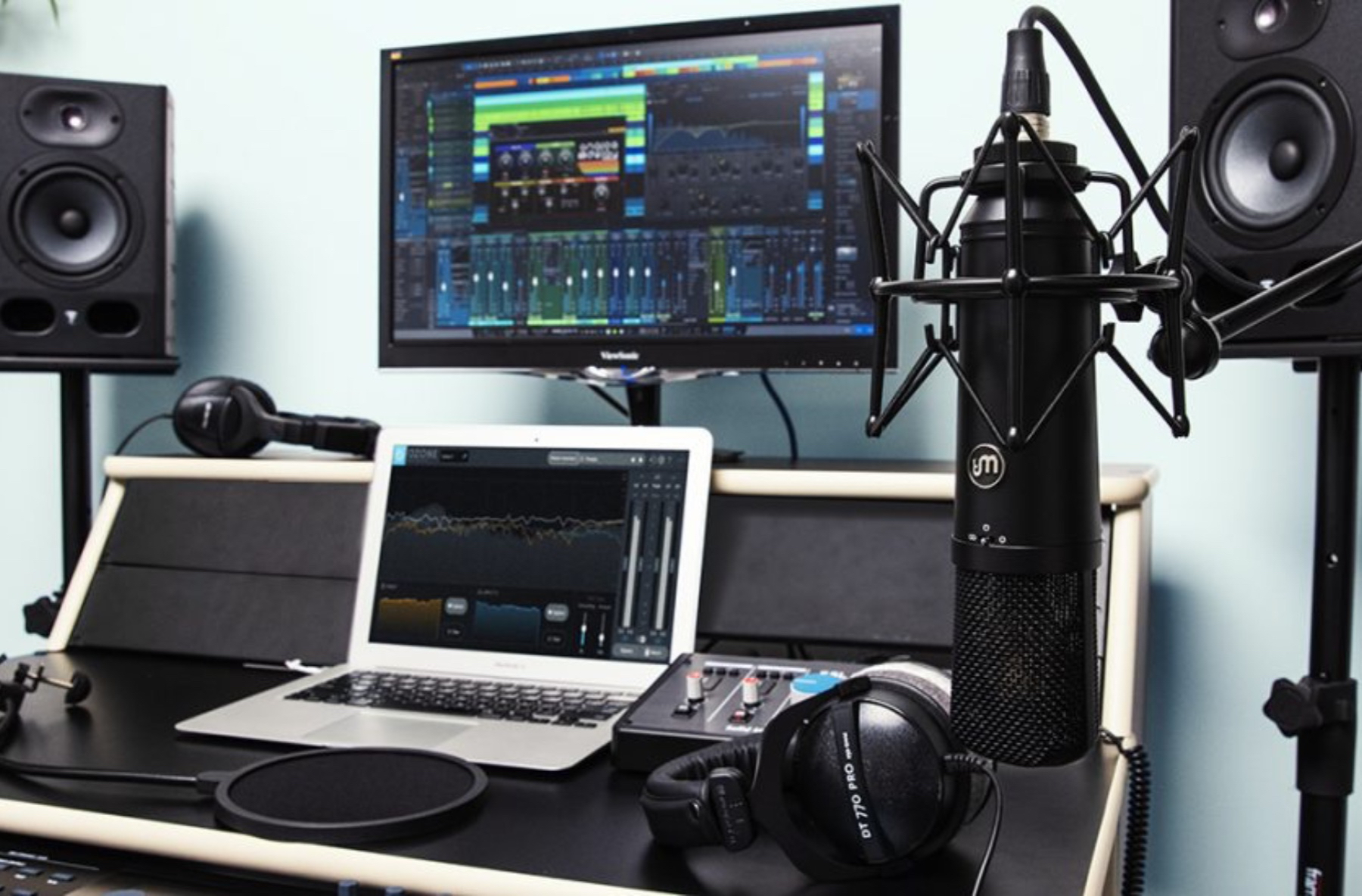
Entry level: A Sony a6400 or Canon M50 Mark II are excellent video cameras in the $800–$1,200 CAD range. Our Certificate in Videography includes a professional Canon camera — so you have everything you need from day one.
Audio: A Rode VideoMicro or VideoMic Pro ($100–$300 CAD) for on-camera audio. These are not optional.
Editing: A laptop capable of editing 4K footage. DaVinci Resolve is free and industry-standard.
Videography career paths in Canada
Freelance wedding videographer: One of the most reliable and lucrative options. A busy wedding videographer in Canada can shoot 25–40 weddings per year. See the full breakdown in our photography career paths guide.
Corporate video producer: Work with Canadian businesses to produce training videos, marketing content, and branded video. Day rates typically range from $500–$2,000+ CAD.
Social media videographer: Ongoing retainer work creating video content for businesses on Instagram, TikTok, and LinkedIn. Monthly retainers of $1,500–$5,000+ CAD are common.
YouTube content creator: Build your own channel and monetise. Our content creator course covers audience growth, monetisation, and platform strategy in depth.
Online videography course versus in-person training
Canada’s geography makes in-person videography training impractical for most students. Our complete guide to online photography courses in Canada explains why online learning consistently outperforms in-person workshops for skill development and value.
- Learn camera operation on your own camera, in your own environment
- Practise editing on your own computer with DaVinci Resolve (free) or Adobe Premiere Pro
- Access instructor feedback and a community of fellow students across Canada
Frequently asked questions about videography courses in Canada
Do I need photography experience before taking a videography course? No — though some overlap in camera fundamentals is helpful. If you want to build both skills simultaneously, our Certificate in Professional Photography covers photography and videography fundamentals together.
Is there money in videography in Canada? Yes — consistently. Video is now the default communication medium for business. Read our guide to monetising your photography and video skills for realistic income projections.
Start your videography course today
Video is the most powerful communication medium of our time, and demand for skilled videographers across Canada is only growing. Explore our Certificate in Videography or browse our full range of online photography and videography courses to find the path that fits your goals.