
Canadian Wildlife Photography: From Passion to Sustainable Income
Wildlife photography represents one of photography’s most personally rewarding specializations—combining outdoor adventure, conservation contribution, and creative expression. However, transforming wildlife photography passion into sustainable income requires business acumen, diversified revenue streams, and strategic market positioning beyond technical excellence and field craft skills.
Canadian wildlife photography generates an estimated $120 million annually through stock licensing, editorial assignments, commercial advertising, tourism partnerships, conservation work, and workshop instruction according to industry analysis and Statistics Canada creative services data. Professional wildlife photographers earn $45,000-$95,000 annually though income varies dramatically based on business models, specialization, and commercial sophistication.
This comprehensive guide examines income generation strategies for Canadian wildlife photographers, explaining how to monetize imagery through multiple channels, price services appropriately, and build sustainable businesses serving conservation while generating professional income. Integrated photography business courses alongside wildlife photography training ensure complete preparation for commercial success.
Stock Photography: Building Passive Income Through Licensing
Stock photography provides foundation income for most wildlife photographers, generating ongoing revenue from existing image libraries through repeated licensing. Understanding stock markets, agencies, and optimization strategies proves essential for maximizing returns from wildlife portfolios.
Understanding Stock Photography Markets
Royalty-free versus rights-managed licensing models offer different trade-offs between volume and per-license pricing. RF licensing generates lower per-image fees ($25-$200 typically) though allows unlimited licensing creating volume potential. RM licensing commands premium pricing ($200-$2,000+) though restricts usage creating exclusivity clients pay premiums for.
Exclusive versus non-exclusive agency relationships involve commission trade-offs. Exclusive agreements typically offer 50-60% photographer commissions versus 20-40% non-exclusive rates though limit where images can be sold. Understanding these trade-offs enables strategic decisions balancing income potential with market reach.
Microstock versus premium stock agencies serve different client segments at dramatically different price points. Microstock (Shutterstock, iStock) generates high volume at low prices ($0.25-$3 per license) while premium agencies (Getty, Nature Picture Library) command substantial fees ($50-$500+) serving professional clients with larger budgets.
Canadian wildlife content demand reflects global interest in iconic Canadian species—bears, moose, caribou, whales—plus growing interest in conservation and climate change imagery. Understanding market demand and content gaps enables strategic photography targeting underserved species or concepts rather than oversupplied subjects.
Building Commercially Viable Stock Portfolios
Image quality standards for stock acceptance require technical perfection—sharp focus, correct exposure, minimal noise, and clean backgrounds. Stock agencies reject technically imperfect images regardless of subject rarity—maintaining rigorous quality standards during field shooting prevents wasted effort producing unmarketable imagery.
Species diversity and behavioral variety create valuable portfolios serving varied client needs. While specializing in particular species proves viable, broader portfolios spanning multiple Canadian wildlife groups generate more consistent sales than narrow portfolios limiting client applications.
Seasonal coverage including winter wildlife, breeding behaviors, and migration patterns provides content unavailable to photographers working limited seasons. Year-round wildlife photography creates portfolio completeness driving sales across seasonal editorial and commercial needs.
Conceptual and conservation-themed imagery beyond simple animal portraits serves editorial, conservation, and corporate markets. Images illustrating climate change impacts, habitat loss, human-wildlife interaction, or conservation success stories command premium pricing serving important messaging needs beyond decorative animal photos.
Stock Photography Optimization Strategies
Keywording accuracy and comprehensiveness dramatically affects image discoverability and sales frequency. Understanding effective keywording strategies, accurate species identification, location specificity, and conceptual keywords enables potential buyers finding your imagery among millions of competing stock photos.
Model and property releases while rarely required for wildlife photography become essential when including recognizable people, private property, or commercial wildlife facilities. Understanding release requirements prevents losing sales opportunities when otherwise perfect images lack required releases for commercial usage.
Seasonal submission timing aligns new content with upcoming editorial and commercial needs. Submitting winter wildlife in fall, breeding behavior in winter, and baby animals in early spring positions imagery for optimal sales when buyers seek seasonal content for upcoming publications or campaigns.
Regular portfolio review and purging removes outdated or underperforming images maintaining portfolio quality and relevance. Stock agencies favor active contributors adding fresh content—systematic portfolio management and consistent submissions improve agency relationships and search positioning.
Editorial Photography: Assignment and Freelance Work
Editorial assignments for magazines, conservation publications, and online media provide higher per-image rates than stock photography whilst building portfolio reputation and industry relationships. Developing editorial client bases diversifies income beyond stock licensing creating more stable revenue streams.
Developing Editorial Client Relationships
Magazine pitch development identifying story ideas aligned with publication focus and readership demonstrates understanding editorial needs versus random submissions hoping for interest. Researching publications, understanding their coverage patterns, and pitching relevant stories dramatically improves pitch success rates.
Canadian Geographic, outdoor magazines, conservation publications, and airline magazines represent key Canadian editorial markets. Understanding each publication’s unique needs, timelines, and compensation structures enables strategic pitching targeting appropriate outlets for specific stories and imagery.
Assignment photography rates vary dramatically by publication and usage scope. Major magazines might pay $500-$2,000 per day plus expenses for assignments while smaller publications offer $200-$500. Understanding market rates enables appropriate negotiation whilst maintaining relationships through realistic expectations.
Regular contributor status with key publications generates recurring assignments and preferred access to story opportunities. Building reputation through reliable delivery, professional communication, and quality work transforms photographers from occasional contributors to regular freelancers receiving priority consideration for assignments.
Building Editorial Wildlife Photography Portfolios
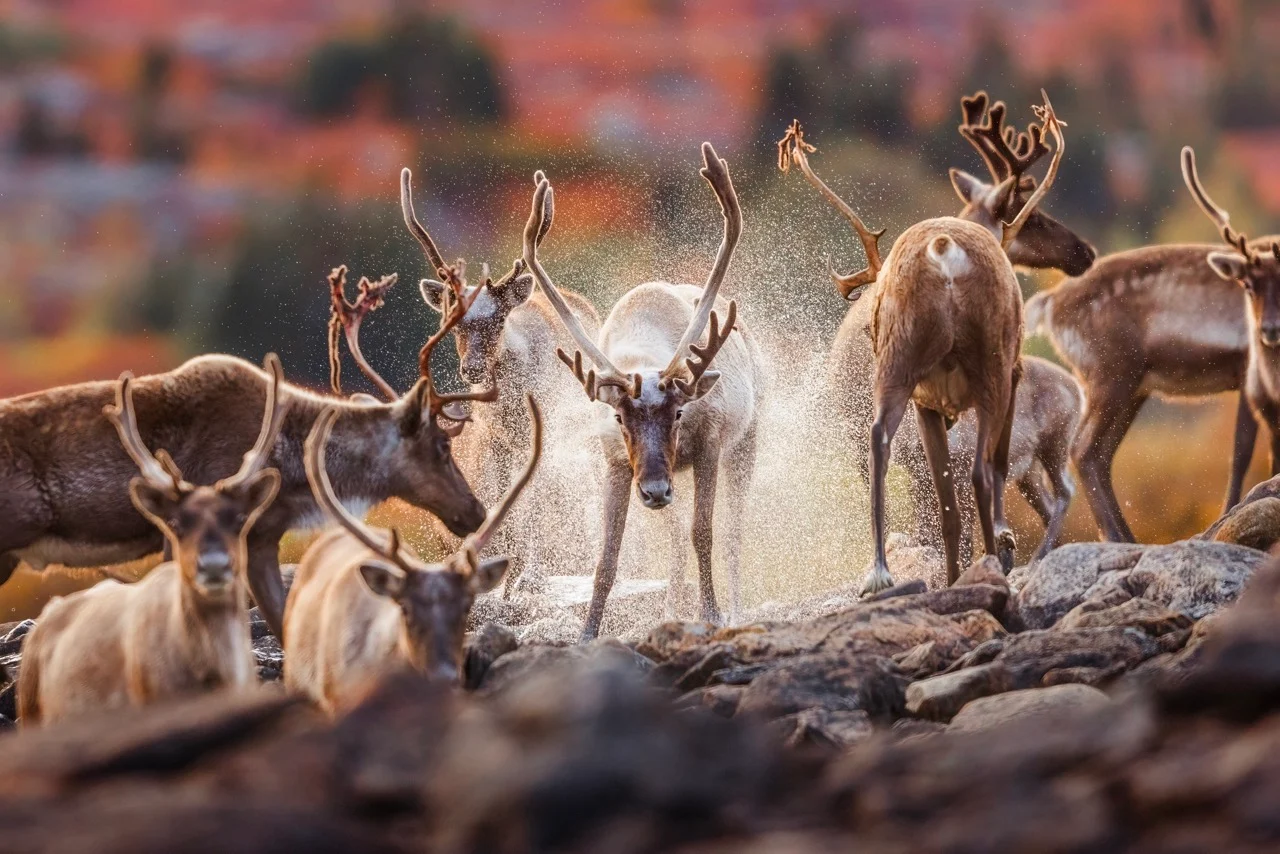
Story-telling capability beyond single images proves essential for editorial work. Magazines need comprehensive coverage telling complete stories—environmental context, behavioral sequences, and varied perspectives documenting subjects thoroughly rather than single heroic shots.
Human interest angles and conservation narratives make wildlife subjects relatable to general audiences. Editors seek imagery connecting wildlife to human concerns—climate change impacts, conservation success stories, or wildlife-human coexistence themes resonate with readers beyond natural history enthusiasts.
Unique access or rare subjects provide editorial advantages when coverage proves difficult to source. Photographing endangered species, documenting difficult-to-reach locations, or capturing unusual behaviors creates exclusive content commanding premium rates and priority placement.
Technical excellence and artistic vision distinguish editorial-quality imagery from adequate documentation. Publications maintain high standards—images must demonstrate both technical perfection and creative excellence capturing subject matter in compelling, magazine-worthy presentations.
Commercial Licensing and Advertising Revenue
Commercial usage including advertising, packaging, corporate communications, and marketing materials commands premium pricing—$1,500-$15,000+ per image depending on usage scope, duration, and exclusivity. Understanding commercial markets and appropriate pricing proves essential for accessing this lucrative revenue stream.
Commercial Wildlife Photography Markets
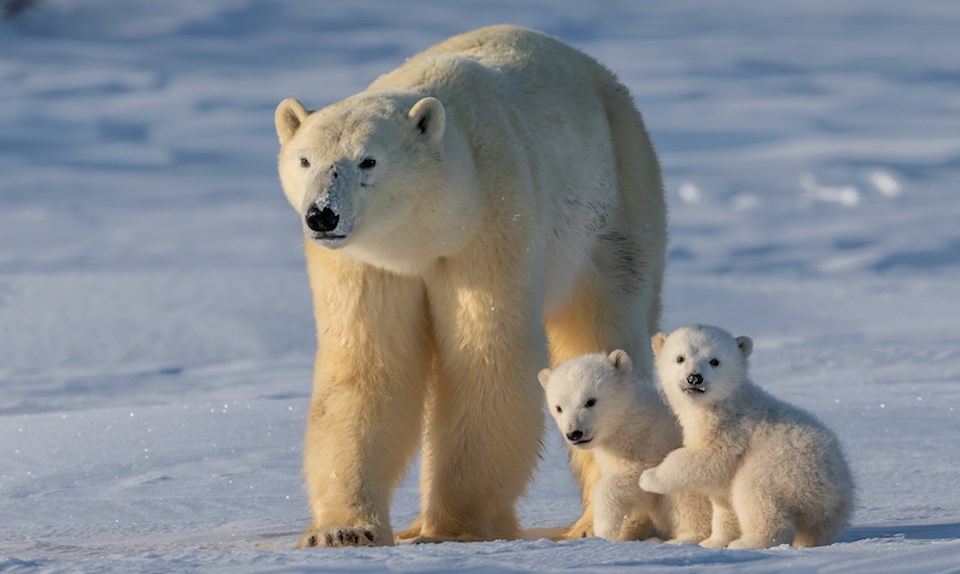
Outdoor brand partnerships with equipment manufacturers, outdoor apparel, and adventure companies create ongoing commercial opportunities. Brands marketing Canadian outdoor experiences seek authentic wildlife imagery—established photographers with strong portfolios access these relationships through direct outreach or agent representation.
Tourism marketing for provincial tourism boards, Parks Canada, and destination marketing organizations requires extensive wildlife imagery representing regional assets. Government tourism budgets often support substantial photography projects creating opportunities for comprehensive wildlife documentation serving multi-year marketing campaigns.
Conservation campaigns for major nonprofits including Canadian Wildlife Federation, World Wildlife Fund, and species-specific organizations require powerful imagery driving fundraising and advocacy. While often compensated modestly initially, these projects build relationships with organizations licensing imagery repeatedly for various campaigns.
Corporate environmental communications increasingly feature wildlife imagery as companies emphasize sustainability and environmental responsibility. Annual reports, corporate websites, and sustainability publications create commercial opportunities beyond traditional nature photography markets—expanding potential client bases for wildlife photographers.
Commercial Licensing Strategies
Usage-based pricing reflecting scope, duration, exclusivity, and geographic territory ensures appropriate compensation for commercial licensing. Understanding how to price exclusive versus non-exclusive usage, limited-time versus perpetual rights, and geographic restrictions enables strategic negotiations protecting image value whilst remaining competitive.
Licensing agreements and contracts protecting intellectual property whilst clearly defining usage prevents disputes and ensures appropriate compensation. Professional contracts specify exact usage parameters, compensation terms, and violation penalties—protecting photographers against unauthorized usage exceeding licensed parameters.
Negotiation skills and confidence discussing commercial rates proves essential for premium positioning. Many photographers undercharge through discomfort when negotiating rates—business training developing negotiation confidence enables capturing appropriate value from commercial licensing opportunities.
Agent relationships for commercial licensing provides professional representation accessing clients individual photographers struggle reaching. Agents typically retain 30-50% commissions though provide market access, negotiation expertise, and client relationships justifying commission costs through superior deal terms and expanded opportunities.
Workshop Instruction and Photography Education
Leading photography workshops leverages location expertise and professional skills into premium-priced educational experiences. Workshop instruction generates $1,500-$4,000+ per participant for multi-day experiences—substantial income from teaching alongside direct photography revenue.
Developing Workshop Offerings
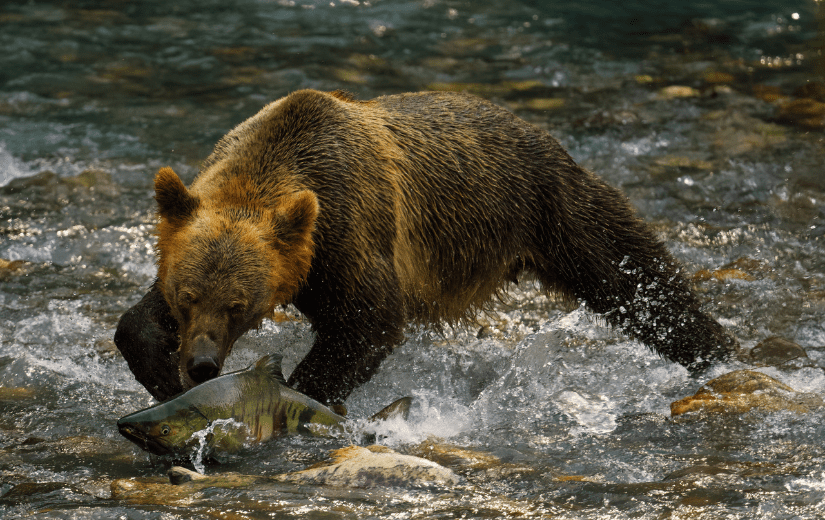
Location expertise in specific Canadian wildlife areas provides competitive advantages. Photographers with intimate understanding of Algonquin moose, Churchill polar bears, or BC grizzlies create superior workshop experiences commanding premium pricing through guaranteed access to target subjects.
Instructional capability and teaching skills separate effective workshop leaders from skilled photographers lacking educational abilities. Developing clear curriculum, providing useful feedback, and creating supportive learning environments requires distinct capabilities beyond personal photography excellence.
Participant group sizing balancing quality instruction with revenue generation requires strategic decisions. Smaller groups (4-6 participants) enable intensive instruction though generate moderate revenue while larger groups (10-12 participants) maximize income though dilute individual attention.
Pricing strategies reflecting location costs, participant experience levels, and competitive landscape enable appropriate positioning. Premium locations or beginners workshops justify higher pricing while accessible locations or advanced-level workshops might require competitive pricing attracting experienced participants.
Workshop Operations and Marketing
Tour operator partnerships providing logistics, accommodation, and transportation whilst photographers focus on instruction creates efficient business models. These partnerships enable workshop offerings without managing complex travel logistics—photographers concentrate on educational content while partners handle operational details.
Marketing workshop offerings through social media, email lists, and photography communities reaches target audiences. Successful workshop marketing emphasizes unique value propositions—exclusive locations, instructor expertise, small group sizes—differentiating offerings from competing workshops.
International participant attraction to Canadian wildlife workshops creates premium pricing opportunities. Global photographers seeking Canadian experiences accept substantial workshop fees—properly marketed Canadian wildlife workshops attract international participants generating superior revenue versus relying solely on domestic markets.
Repeat participant cultivation through exceptional experiences and ongoing relationships creates reliable booking base. Photographers delivering outstanding initial experiences generate return participants plus referrals dramatically reducing marketing costs for subsequent workshop offerings.
Diversified Income Strategy for Sustainable Wildlife Photography
Successful wildlife photographers rarely depend on single revenue streams—diversification creates income stability whilst leveraging imagery and expertise through multiple complementary channels. Understanding how various income sources interact enables strategic portfolio development.
Balancing Direct and Passive Income
Stock photography provides passive income requiring initial creation effort then generating ongoing returns from existing portfolios. This foundational income creates baseline revenue supporting active photography and business development activities.
Editorial and commercial assignments generate premium per-project income though require active client relationship management and ongoing pitching. Balancing passive stock income with active assignment pursuit creates income stability whilst maximizing earnings from diverse opportunities.
Workshop instruction concentrates substantial income into intensive periods—typically 10-20 annual workshop days generating $30,000-$80,000. This concentrated earning enables extended field photography periods building portfolios whilst workshop income supports lifestyle during intensive shooting seasons.
Print sales, gallery representation, and fine art markets provide supplementary income whilst building public profile and brand recognition. While rarely primary income sources, fine art sales enhance professional reputation whilst generating incremental revenue from imagery also licensed commercially.
Building Sustainable Wildlife Photography Businesses
Business planning and financial management ensures wildlife photography generates sustainable income rather than expensive hobby consuming savings. Understanding true costs, maintaining adequate pricing, and managing cash flow enables long-term career viability rather than passion projects requiring supplemental income.
Equipment investment and depreciation planning ensures photographic capability maintaining competitiveness whilst avoiding crippling debt or outdated gear limiting marketability. Strategic equipment investment prioritizing capability versus luxury maintains professional standards within sustainable budgets.
Marketing investment generating consistent opportunities across multiple income streams requires systematic budget allocation. Successful wildlife photographers typically invest 10-20% of gross revenue in marketing—websites, portfolio development, networking, and promotional activities generating ongoing opportunities.
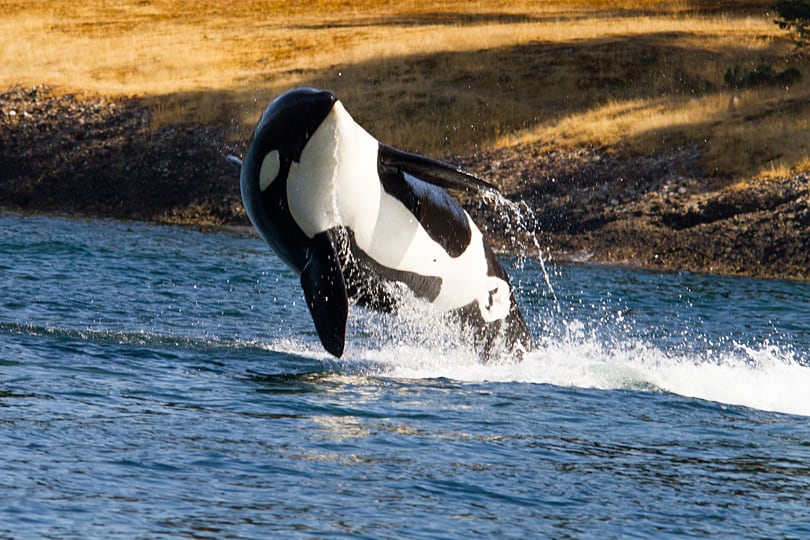
Conservation contribution through donated imagery, volunteer work, or nonprofit partnerships aligns commercial success with conservation values. Many wildlife photographers balance commercial work with conservation contribution using photography supporting species and habitats they document—creating meaningful careers beyond pure income generation.
Launch Your Wildlife Photography Business Career
Canadian wildlife photography offers rewarding careers combining outdoor adventure, conservation contribution, and sustainable income for properly trained professionals understanding both artistic excellence and business sophistication. Comprehensive training addressing technical wildlife photography and commercial business development prepares you completely for professional success.
Canadian Photography School’s wildlife photography course and photography business course provide integrated training covering field craft, technical excellence, and income generation strategies. With professional telephoto equipment included and payment plans from $35/week CAD, begin your wildlife photography career immediately without substantial equipment barriers.
Whether pursuing full-time wildlife photography or building supplementary income alongside other photography specializations through professional photography training, comprehensive business education ensures your passion for Canadian wildlife generates sustainable professional income throughout your career.