
Filmmaking is storytelling through moving images, sound, and performance. It is one of the most collaborative, demanding, and rewarding creative disciplines in existence — combining visual art, writing, directing, sound design, music, and technical craft into a single medium that has the power to move audiences around the world.
A filmmaking course teaches you the fundamentals of this craft — how to develop a story, plan a production, direct talent, operate a camera with intention, record professional audio, and edit everything into a cohesive narrative. This guide covers what aspiring Canadian filmmakers need to understand about the craft, the industry, and the training available to them.
What a Filmmaking Course Covers
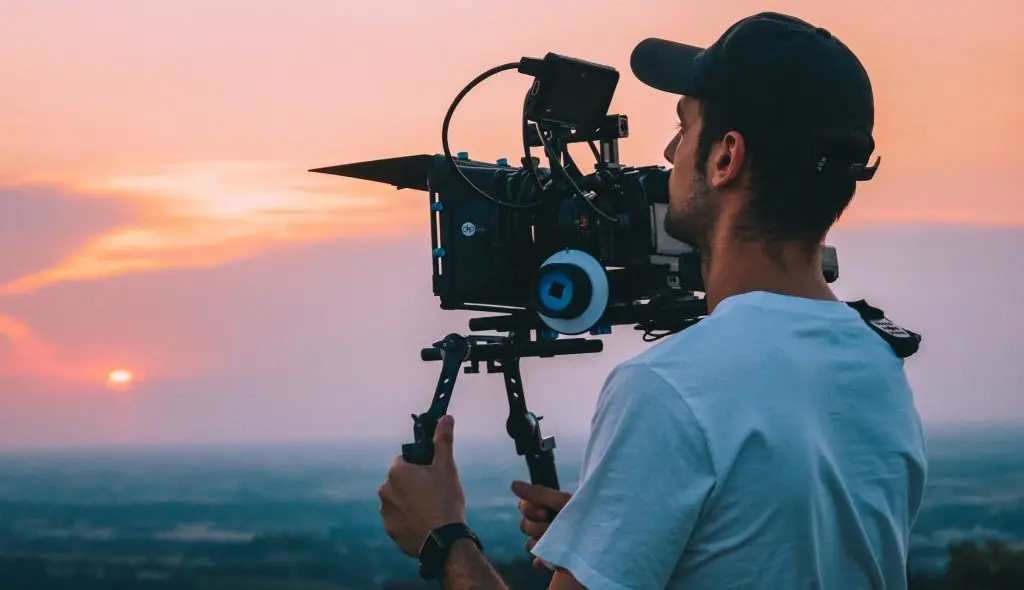
Filmmaking is a multi-disciplinary process. Unlike photography where a single person can handle every aspect of a project, filmmaking traditionally involves collaboration between specialists — though modern technology and online platforms have made it increasingly viable for solo creators to produce impressive work independently.
Screenwriting and story development is where every film begins. You will learn narrative structure — three-act structure, character arc, conflict and resolution — and how to translate ideas into scripts that can be produced. Even if you never write a feature screenplay, understanding story structure makes you a better director, editor, and visual storyteller in any format. The National Film Board of Canada offers an extraordinary library of Canadian films that demonstrate storytelling at the highest level across documentary, animation, and narrative formats.
Directing is the art of translating a script into a visual experience. It involves working with actors to achieve authentic performances, making creative decisions about blocking and staging, collaborating with the cinematographer on visual approach, and maintaining a coherent creative vision across every department. Directing is as much about communication and leadership as it is about artistic vision.
Cinematography covers camera operation, lens selection, lighting, composition, and camera movement — all the visual tools that create the look and feel of a film. Our cinematography course for beginners guide covers these fundamentals in detail.
Sound design and audio recording are critically important and frequently underestimated by beginners. Dialogue must be captured cleanly on set, sound effects must be recorded or sourced, and the final audio mix must balance all elements into a seamless sonic experience. Our audio for video guide covers the practical techniques for recording professional sound on location.
Editing is where the film is truly constructed. The editor shapes pacing, builds tension, controls information flow, and makes thousands of decisions that determine how the audience experiences the story. According to the Academy of Canadian Cinema and Television, editing is often described as the final rewrite — the editor has more influence over the finished film than any other role except the director.

The Canadian Film Industry
Canada has one of the most active and well-supported film industries in the world. Federal and provincial funding bodies provide financial support for Canadian filmmakers at every career stage.
Telefilm Canada funds feature film development and production. The Canada Media Fund supports digital content and television. Provincial funding bodies — Ontario Creates, SODEC in Quebec, Creative BC, Alberta Media Fund — provide additional support specific to each province. These funding programmes are accessible to emerging filmmakers, not just established professionals.
Canada is also one of the world’s most popular locations for international film and television production. Vancouver, Toronto, and Montreal are major production centres where American studios shoot regularly, creating employment opportunities for Canadian crew members across every department.
Tax credit programmes at both federal and provincial levels make film production in Canada financially attractive, which sustains a robust domestic production infrastructure that benefits independent Canadian filmmakers as well as large international productions.
Getting Started as a Filmmaker in Canada
You do not need a film school degree or expensive equipment to start making films. A smartphone, free editing software, and a compelling story are enough to create something meaningful.
Start with short films. A three-to-five-minute short film is manageable as a solo or small-team project and teaches you every phase of the production process — writing, planning, shooting, directing, editing, and delivering a finished piece. Film festivals across Canada — including the Toronto International Film Festival’s short film programme, the Vancouver International Film Festival, and dozens of regional festivals — screen and celebrate short films from emerging filmmakers.
Our Certificate in Videography covers the complete technical foundation for filmmaking — camera operation, audio, editing, lighting, and storytelling — and our videography course guide explains the full curriculum in detail.
Equipment for Beginner Filmmakers
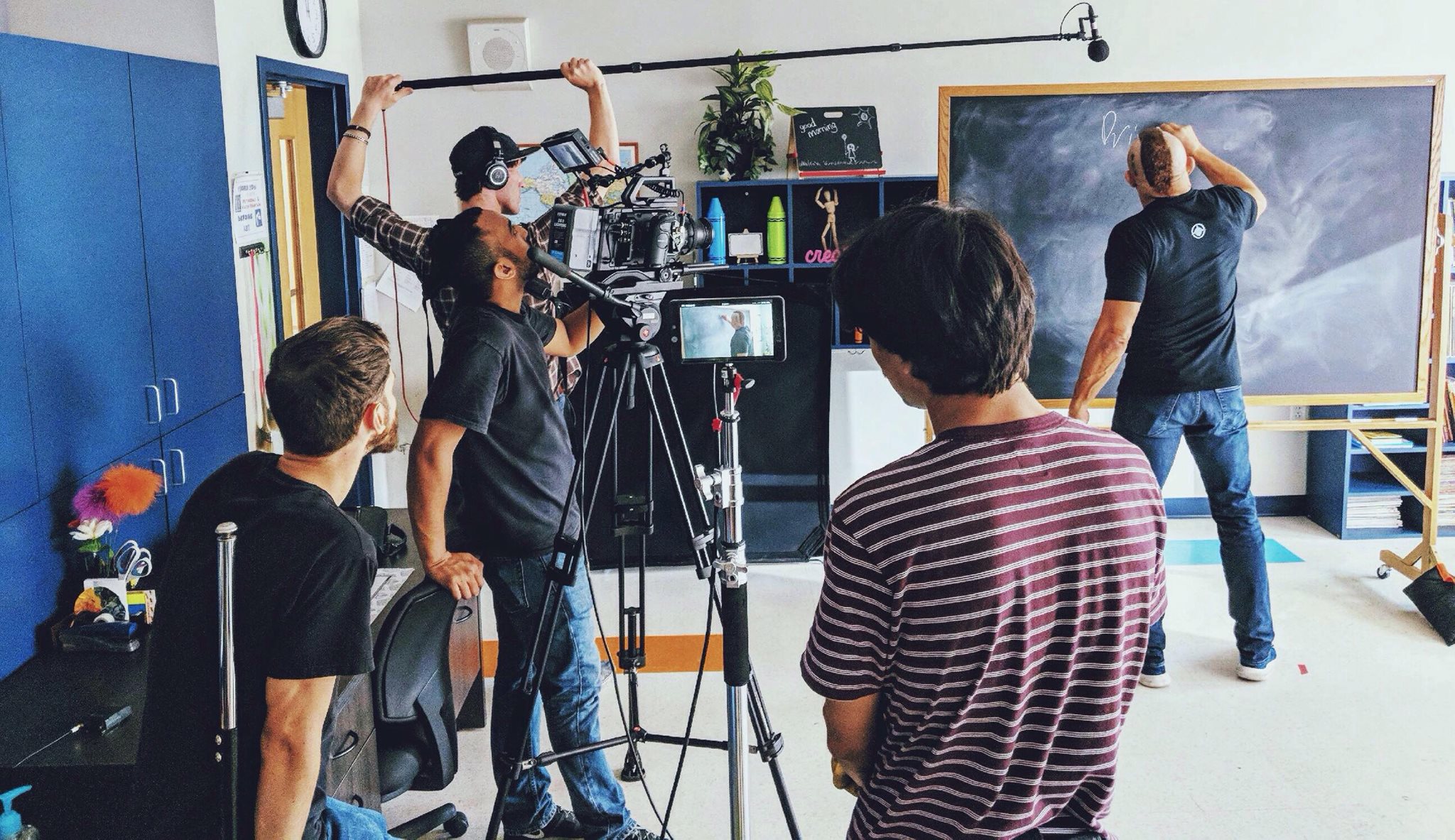
Modern mirrorless cameras produce cinematic footage at a fraction of the cost of dedicated cinema cameras. The Canon EOS R series, Sony a7 series, and Blackmagic Pocket Cinema Camera ($1,800–$3,500 CAD) all shoot footage that is indistinguishable from far more expensive equipment when used skillfully.
Audio equipment is equally important. A shotgun microphone like the Rode NTG series ($300–$500 CAD) or a wireless lavalier system ($200–$600 CAD) captures dialogue far more cleanly than any built-in camera microphone.
DaVinci Resolve from Blackmagic Design provides free, professional-grade editing, colour grading, audio mixing, and visual effects in a single application — the same software used on Hollywood productions.
Filmmaking Career Paths in Canada
Independent filmmaker — writing, directing, and producing your own short films and features with funding from Canadian arts councils and film funding bodies.
Commercial director — directing branded content, commercials, and corporate video for Canadian and international businesses.
Documentary filmmaker — Canada has one of the richest documentary traditions in the world, with the National Film Board alone having produced thousands of acclaimed documentaries since 1939.
Content creator — producing narrative and cinematic content for YouTube, social media, and streaming platforms. Our content creator course guide covers building an audience through original content.
Crew member — working as a cinematographer, editor, sound recordist, gaffer, or production assistant on film and television productions shooting across Canada.
Start Your Filmmaking Journey
A filmmaking course gives you the technical skills and creative framework to start telling stories through film. Explore our Certificate in Videography or browse our full range of courses to find the starting point that fits your creative ambitions.