
Canada offers some of the most diverse and spectacular landscapes on earth — Rocky Mountain peaks, Maritime coastlines, boreal forests stretching to the horizon, prairie skies wider than any other country, Arctic tundra, and temperate rainforests on the Pacific coast. Landscape photography in Canada is not limited by lack of subject matter. It is limited by the photographer’s ability to see, compose, and capture what is in front of them.
A landscape photography course teaches the composition techniques, lighting skills, and technical knowledge that transform a pretty view into a compelling photograph. This guide covers the composition secrets that working landscape photographers use to create images with depth, emotion, and impact.
Why Composition Matters More Than Location
You can stand at the most spectacular viewpoint in Canada and still take a mediocre photograph. And you can stand in an unremarkable field at the right moment with the right composition and create something extraordinary. Composition is the difference.
Our landscape photography guide for Canada covers locations and seasonal planning. This guide focuses specifically on the composition techniques that make images work regardless of where you are standing.
Foreground Interest: The Secret to Depth
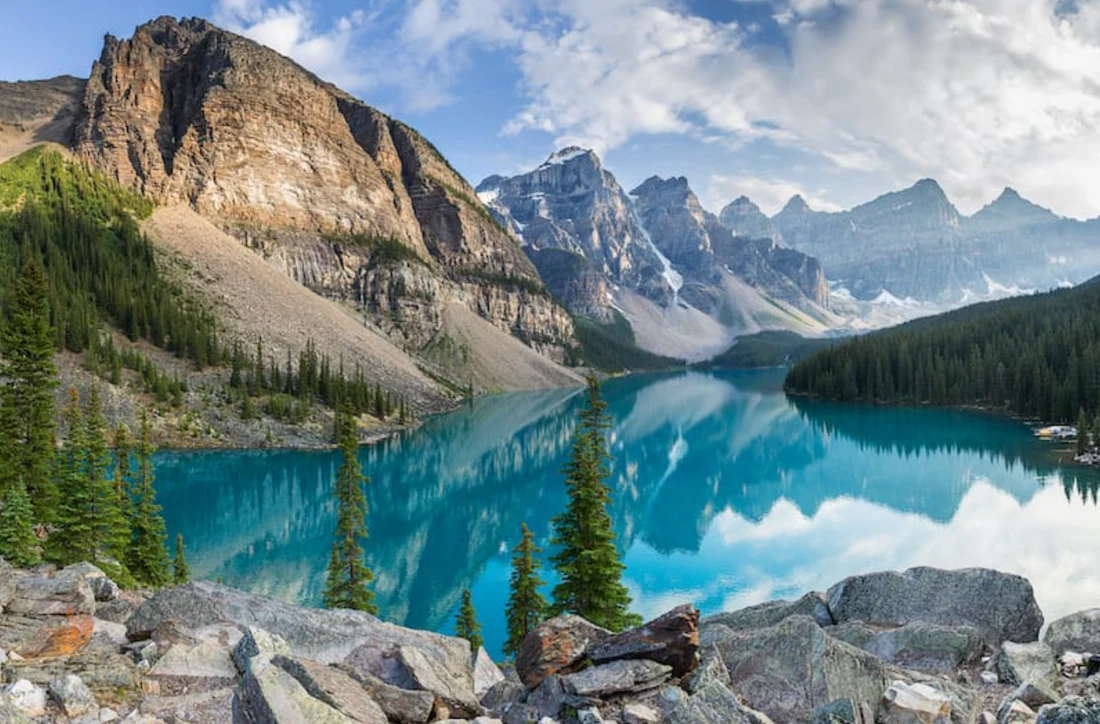
The single most impactful composition technique in landscape photography is including a strong foreground element. A photograph of distant mountains is flat and two-dimensional. The same mountains with an interesting rock formation, a wildflower, a leading line of stones, or a textured ice pattern in the foreground suddenly has three-dimensional depth that pulls the viewer into the scene.
Use a wide-angle lens in the 14–24mm range and position yourself low and close to your foreground element. Shoot at f/11–f/16 to maintain sharpness from the foreground through to the distant background. This technique — called near-far composition — is the foundation of professional landscape photography and the first thing a landscape photography course teaches.
Leading Lines and Visual Flow
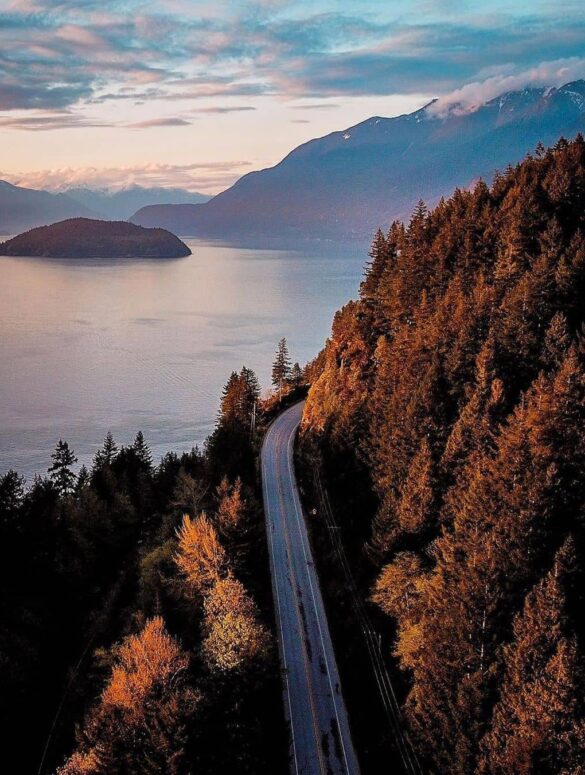
The human eye naturally follows lines within an image. Rivers, trails, fences, rows of trees, tire tracks, shorelines, and ridge lines all serve as leading lines that guide the viewer’s gaze from one part of the frame to another — ideally from the foreground toward the main subject or vanishing point.
The most effective leading lines enter the frame from the bottom corners and travel diagonally toward the centre or upper portions of the image, creating a sense of journey and depth that holds the viewer’s attention.

The Rule of Thirds and When to Break It
The rule of thirds places your horizon line on the upper or lower third line rather than centring it. If the sky is dramatic — storm clouds, sunset colour, aurora borealis — give it two-thirds of the frame. If the foreground is more interesting than the sky, give the ground two-thirds.
But rules exist to be broken intentionally. A perfectly centred reflection in a still lake creates powerful symmetry that the rule of thirds would destroy. A subject placed dead centre in a minimalist composition commands attention through boldness. Break the rule when you have a specific creative reason — not because you forgot to apply it.
Outdoor Photographer is one of the most respected landscape and nature photography publications globally, featuring composition analysis and technique articles from world-class landscape photographers.
Light: The Landscape Photographer’s Obsession
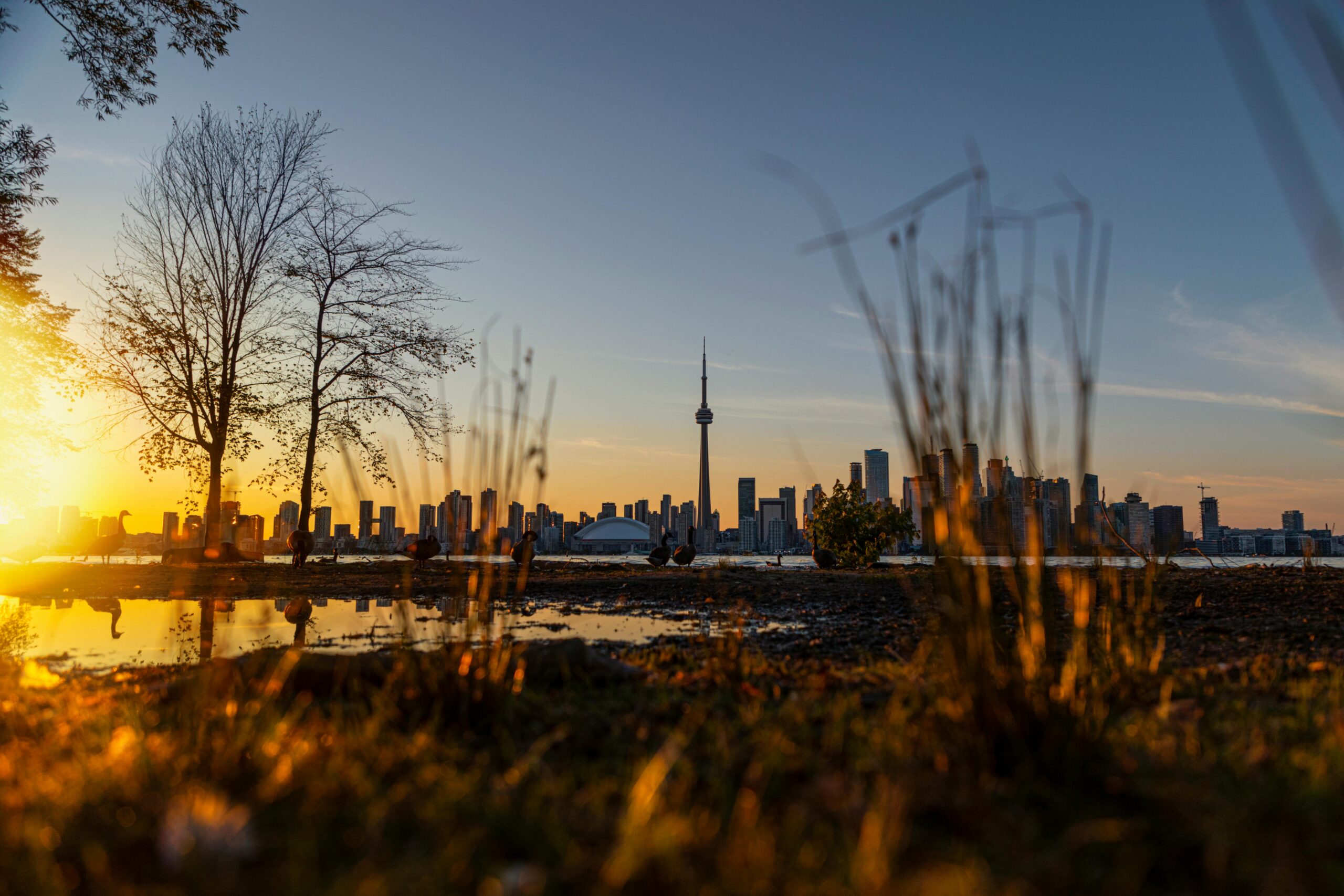
Professional landscape photographers plan their entire shooting schedule around light. Golden hour produces warm, directional light that sculpts terrain, creates long shadows that reveal texture, and saturates colours with warmth. Blue hour creates cool, ethereal tones and smooth, even light that works beautifully for water and atmospheric scenes.
The quality of light matters more than the quantity. Overcast conditions produce soft, even light ideal for intimate forest scenes, waterfalls, and coastal details. Storm light — dramatic breaks in cloud cover — creates the most spectacular landscape conditions imaginable, with shafts of directional light against dark, brooding skies.
Our exposure compensation guide covers managing tricky exposure situations common in landscape photography — bright skies against dark foregrounds, snow scenes, and high-contrast environments.
Using Filters for Landscape Photography
A circular polariser is the single most useful filter for landscape work. It deepens blue skies, reduces glare on water and wet foliage, and increases colour saturation — effects that cannot be fully replicated in post-production. Rotating the polariser while looking through the viewfinder lets you dial in exactly the amount of effect you want.
Neutral density filters reduce the amount of light entering the lens, enabling long exposures even in bright conditions. A ten-stop ND filter turns a 1/125 second exposure into a 30-second exposure — transforming choppy water into glass and moving clouds into smooth streaks.
Graduated neutral density filters are darker on one half and clear on the other, allowing you to balance a bright sky with a darker foreground in a single exposure. While modern cameras with high dynamic range and exposure blending techniques in post-production have reduced dependence on graduated filters, they remain useful tools in the field.
NiSi Filters is a Canadian distributor of professional-grade photographic filters designed specifically for landscape photography applications.
Weather and Season Planning
Canadian landscapes transform dramatically across seasons. The same location in summer, autumn, winter, and spring can produce four completely different — and equally compelling — photographic opportunities.
Autumn colour in Ontario, Quebec, and the Maritimes creates some of the most photographed landscapes in Canada. Peak colour typically occurs in late September to mid-October depending on latitude and elevation.
Winter transforms prairies, mountains, and forests into monochrome landscapes of extraordinary beauty. Fresh snowfall simplifies compositions and creates clean, graphic images with strong contrast between white ground and dark elements.
Spring breakup — ice melting on lakes, waterfalls surging with snowmelt, wildflowers emerging through last snow patches — creates dynamic, transitional landscapes unique to northern climates.
Summer’s long daylight hours provide extended golden hours, midnight twilight in northern regions, and access to high-elevation locations blocked by snow during other seasons.
Start Your Landscape Photography Journey
A landscape photography course gives you the composition skills and technical knowledge to capture Canada’s extraordinary scenery with intention and artistry. Our Certificate in Photography builds the foundational camera skills that landscape photography depends on, and our Certificate in Wildlife Photography covers outdoor techniques that overlap significantly with landscape work. Browse our full range of courses to find your path.