
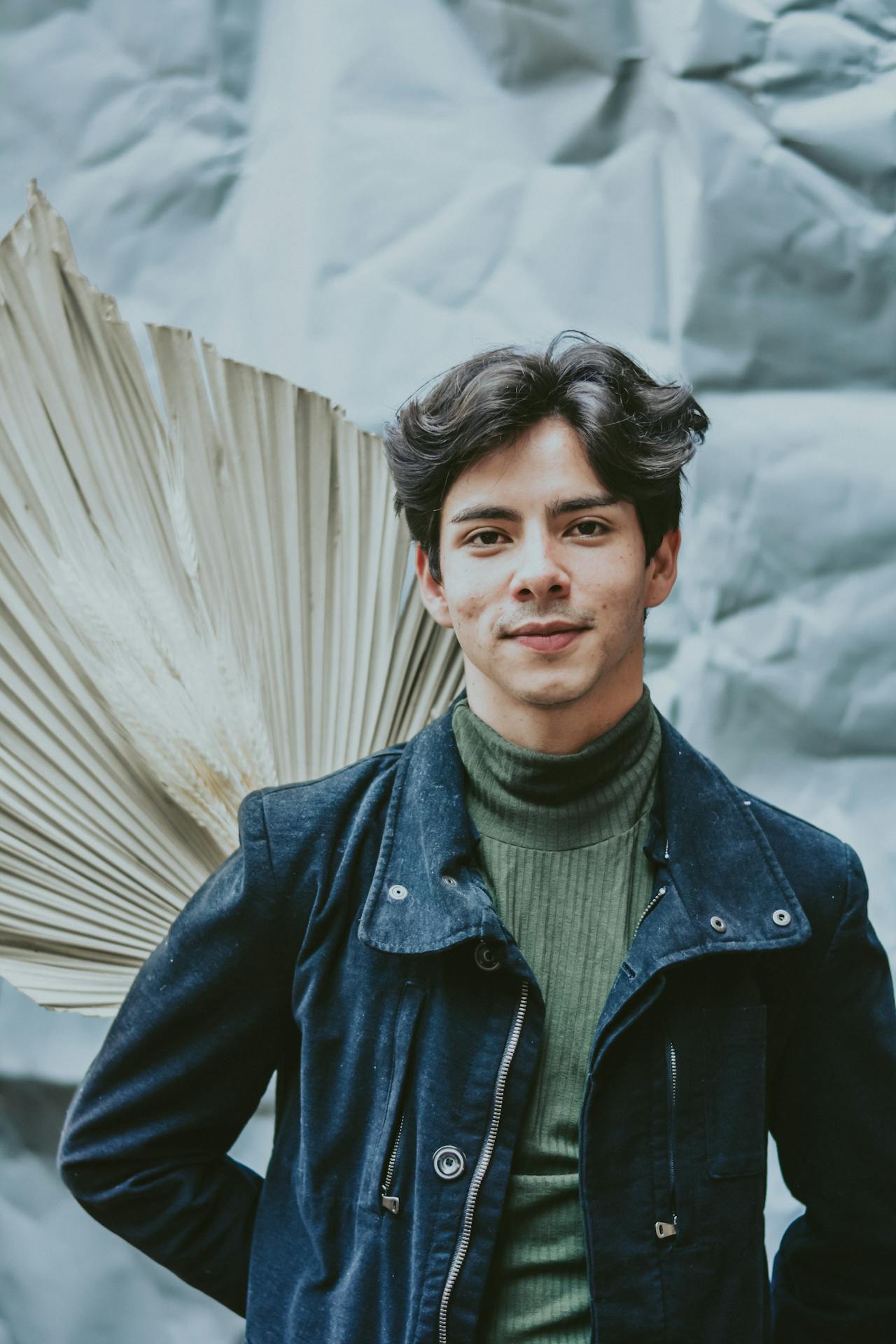
The most technically perfect photograph of a person means nothing if the subject looks stiff, uncomfortable, or fake. And the vast majority of people you will photograph as a professional are not models — they are executives who hate having their photo taken, families wrangling distracted children, couples who feel awkward posing in public, and entrepreneurs who have no idea what to do with their hands.
People photography training teaches the skills that cameras cannot automate — directing human subjects, creating genuine expressions, building trust and comfort within minutes, and posing bodies in ways that are flattering without looking forced. These skills determine whether clients love their photos or never book you again.
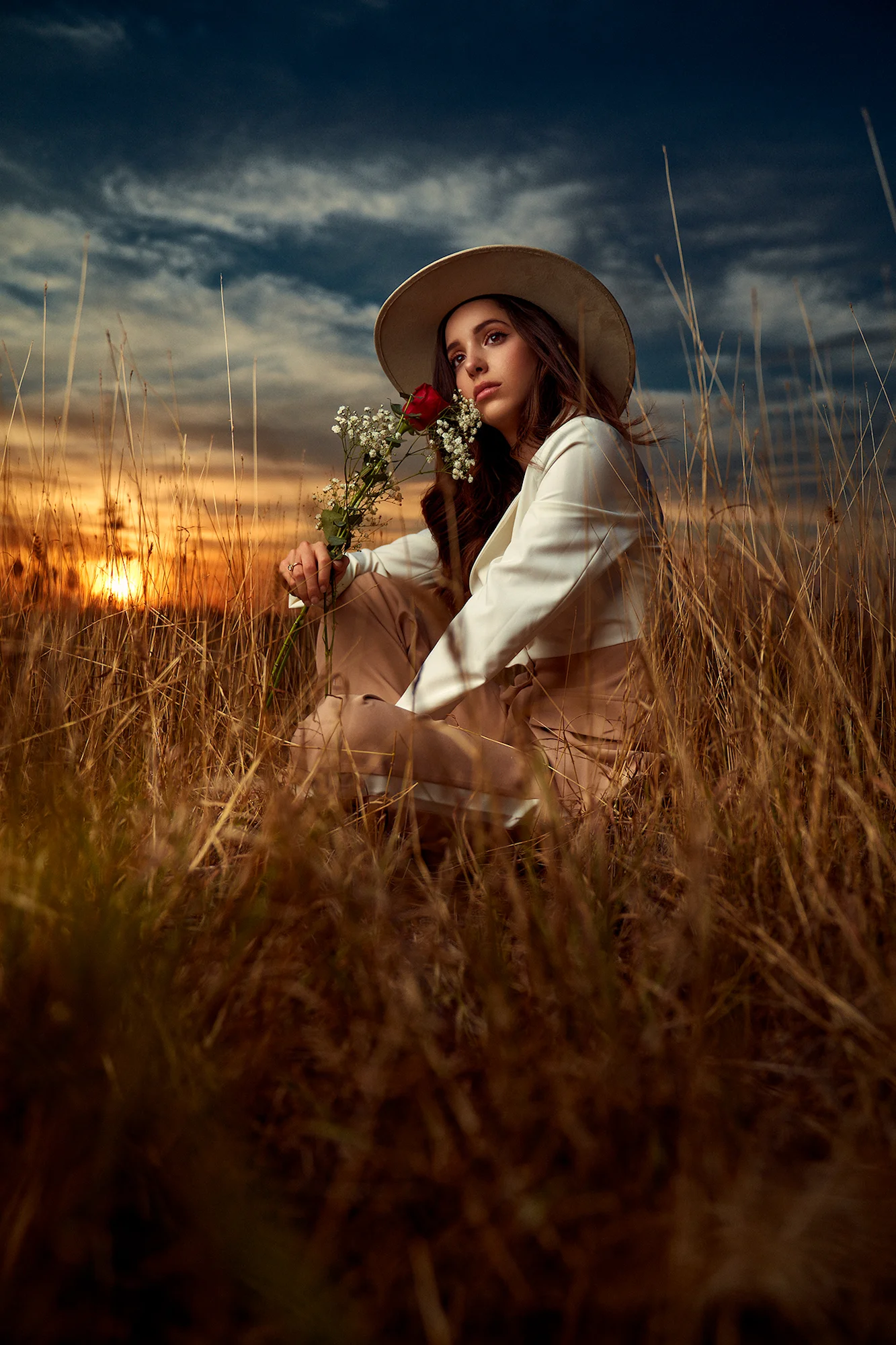
Why Directing Skills Matter More Than Camera Skills
A photographer with average technical skills but exceptional people skills will outperform a technical genius who makes subjects feel uncomfortable. Clients do not evaluate the sharpness of your lens or the precision of your exposure — they evaluate how they look and how they felt during the experience. Both of those are determined by your ability to direct and connect.
According to Psychology Today, the average person’s anxiety about being photographed ranks alongside public speaking as one of the most common social discomforts. Your job as a people photographer is to dissolve that anxiety quickly and replace it with confidence and ease. Our portrait photography course guide covers how directing and posing skills integrate into a complete portrait photography education.
Building Rapport in the First Five Minutes
The session starts the moment your subject arrives, not when you pick up the camera. Those first minutes of interaction set the tone for everything that follows.
Greet them warmly and have a genuine conversation before touching any equipment. Ask about their day, compliment something specific about their appearance — their outfit, their hair, their shoes — and explain what you are going to do during the session in simple, non-technical terms. This reduces uncertainty, which is the primary source of subject anxiety.
Share your screen or show them a few example shots from previous sessions that demonstrate the style and quality you are aiming for. This gives them a visual target and reassures them that the end result will look professional.
Start shooting before they are “ready.” Take test shots while chatting and adjusting settings. The casual, unposed moments at the beginning of a session often produce the most natural expressions — and your subject begins to normalise the sound of the shutter clicking before the pressure of “official” posing begins.

Posing Foundations for Every Body Type
Posing is not about memorising a hundred rigid positions. It is about understanding a handful of principles that create flattering geometry with the human body, then adapting those principles to each individual subject.
Weight shift is the single most impactful posing adjustment. Having your subject shift their weight onto their back foot — with one hip slightly higher than the other — instantly creates a more relaxed, dynamic, and slimming posture compared to standing with weight evenly distributed on both feet.
Angles over straight lines. Anything parallel to the camera — square shoulders, straight arms flat against the body, feet pointing directly at the lens — looks flat and rigid. Turn the shoulders, angle the body, create bends at the elbows and wrists. Triangular shapes created by bent limbs are inherently more dynamic and visually interesting than straight lines.
Chin position controls jawline definition. Most people instinctively pull their chin back when photographed, which compresses the jaw and creates a double chin effect. Direct your subject to extend their forehead slightly toward the camera and angle their chin down — this elongates the neck, defines the jawline, and creates a more flattering angle.
Hand placement is the detail that causes the most awkwardness. Give hands something to do — rest on a hip, hold a jacket lapel, touch the hair gently, hold a prop, rest in a pocket with the thumb out. Idle hands hanging at the sides look stiff and uncomfortable.
Our family photography course guide covers posing techniques specific to groups and families where managing multiple subjects simultaneously adds complexity.
Creating Genuine Expressions
Forced smiles are the enemy of people photography. The difference between a genuine expression and a fake one is obvious to every viewer, even if they cannot articulate why — and fake expressions make otherwise well-lit, well-composed images feel hollow and forgettable.
Never say “smile.” It produces the exact stiff, teeth-baring grimace you are trying to avoid. Instead, create the conditions for genuine expression through conversation, humour, and prompts.
Conversation is your most powerful tool. Ask open-ended questions about things they care about — their children, their weekend plans, their proudest achievement, a funny travel story. Real emotion appears on the face when someone is genuinely engaged in thought or conversation. Capture those moments.
Directed prompts create specific expressions. “Think about the moment you first held your baby.” “Whisper a secret to each other.” “Tell me the most embarrassing thing that happened to you this week.” These prompts bypass the self-consciousness of posing and produce authentic reactions that photograph beautifully.
Movement breaks between poses keep energy flowing and prevent the stiffness that settles in when someone holds a position too long. Ask your subject to walk toward you, spin slowly, shake out their arms, or take a deep breath. Shoot through the movement — the transitional moments between poses often produce the best images.
The Headshot Crew by photographer Peter Hurley has popularised specific expression coaching techniques — particularly the “squinch” (slightly narrowing the lower eyelids) — that are widely used by professional headshot and portrait photographers to create confident, engaging expressions.

Directing Couples and Groups
Couples need physical connection to look natural together. Direct them to hold hands, touch foreheads, whisper to each other, or walk arm in arm. The connection between them should be visible and genuine — stiff side-by-side posing looks like a corporate team photo, not a couple’s portrait.
Groups require clear hierarchy and arrangement. Place the tallest people toward the back or centre, create levels by having some people sit while others stand, and ensure every face is visible and well-lit. Odd numbers of people compose more naturally than even numbers. Tight grouping with bodies touching or overlapping looks cohesive — space between group members looks disconnected.
Practise With Everyone You Can
The fastest way to develop directing and posing skills is practice. Photograph friends, family, colleagues — anyone willing to stand in front of your camera. Experiment with different prompts, poses, and approaches. Review the results and identify which techniques produce the most natural, flattering results.
Every person you photograph teaches you something new about body language, comfort, and expression. There is no substitute for this accumulated experience.
Build Your People Photography Skills
People photography training transforms you from a camera operator into a portrait artist who creates images people treasure. Our Portrait Photography Course covers directing, posing, lighting, and business skills in a comprehensive program. Explore our full range of courses to develop the complete skill set for photographing people professionally.