

The word “influencer” might make you think of teenagers doing dance trends, but the reality of influencer marketing in 2026 is far more sophisticated — and far more relevant to photographers than most realise. An influencer is simply someone who has built a trusted audience around a specific topic and can drive action — purchases, bookings, downloads, sign-ups — through their content and recommendations.
As a photographer, you already have the visual skills that most aspiring influencers lack. An influencer course teaches you how to leverage those skills to build an engaged audience, attract brand partnerships, create additional income streams, and amplify every other aspect of your photography business.

Why Photographers Make Excellent Influencers
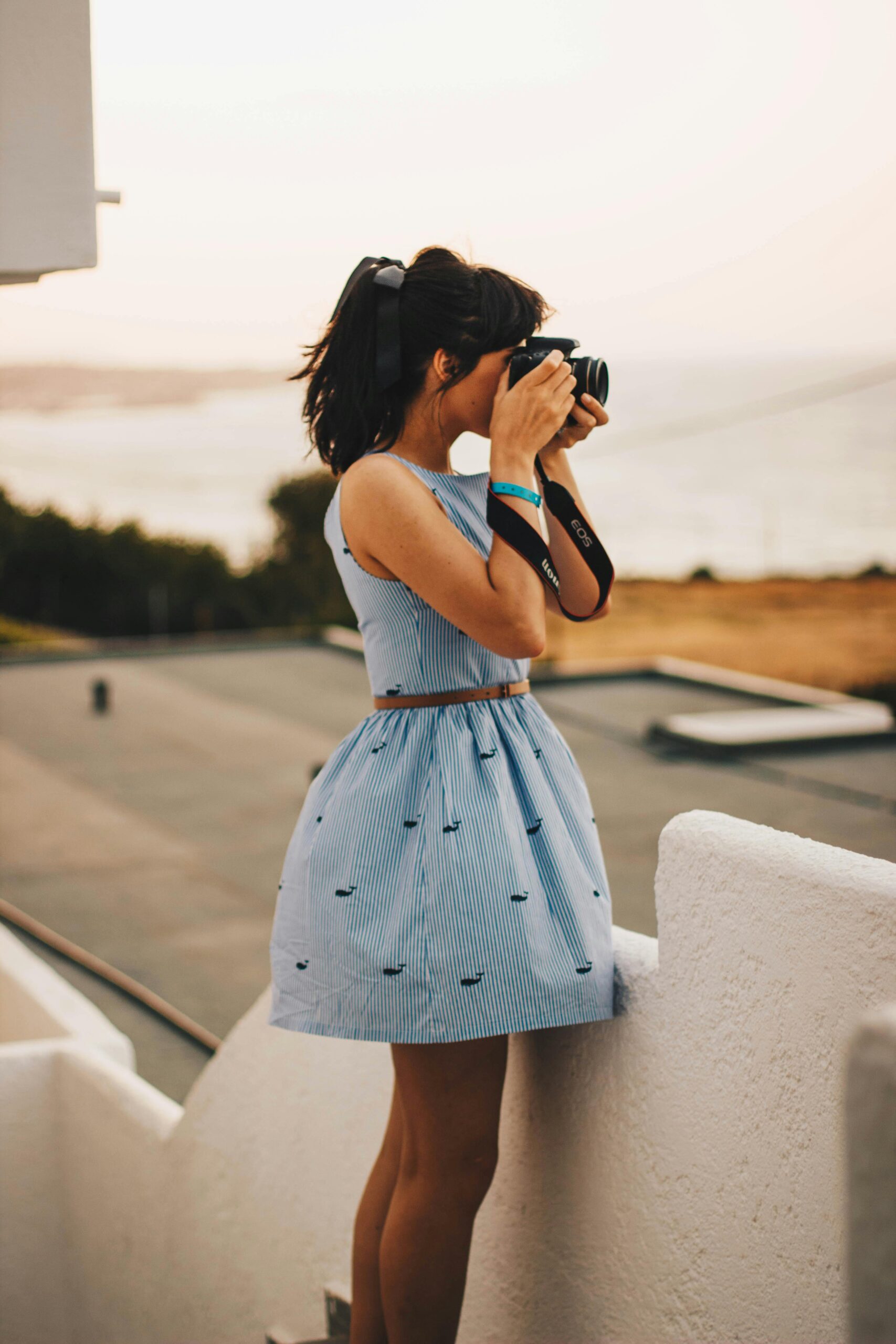
You already know how to create beautiful visual content — which is the single most important skill on visual platforms like Instagram, TikTok, and YouTube. While other aspiring influencers struggle with image quality, composition, and visual storytelling, you have a professional advantage from day one.
You have genuine expertise to share. Photography education content — tips, tutorials, behind-the-scenes, gear reviews, editing walkthroughs — is consistently among the most engaged content categories on every major platform. People genuinely want to learn what you know.
You have a natural product ecosystem. Photography gear, editing software, educational resources, and creative tools are all products that your audience is interested in purchasing — and that brands will pay you to recommend.
According to Influencer Marketing Hub, the global influencer marketing industry is valued at over $21 billion, and micro-influencers (10,000–50,000 followers) in niche categories like photography consistently achieve higher engagement rates and better brand deal economics than larger generalist accounts.
Choosing Your Niche Within Photography
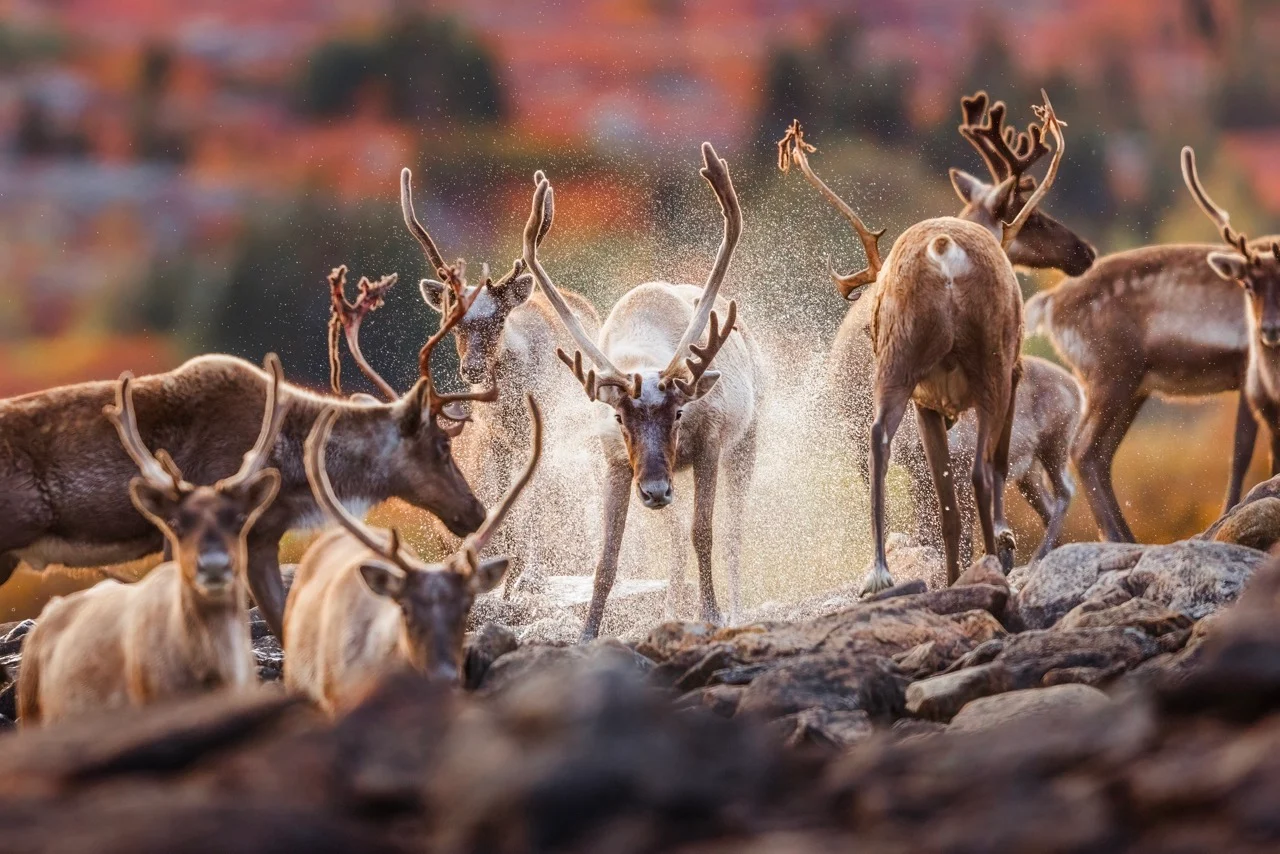
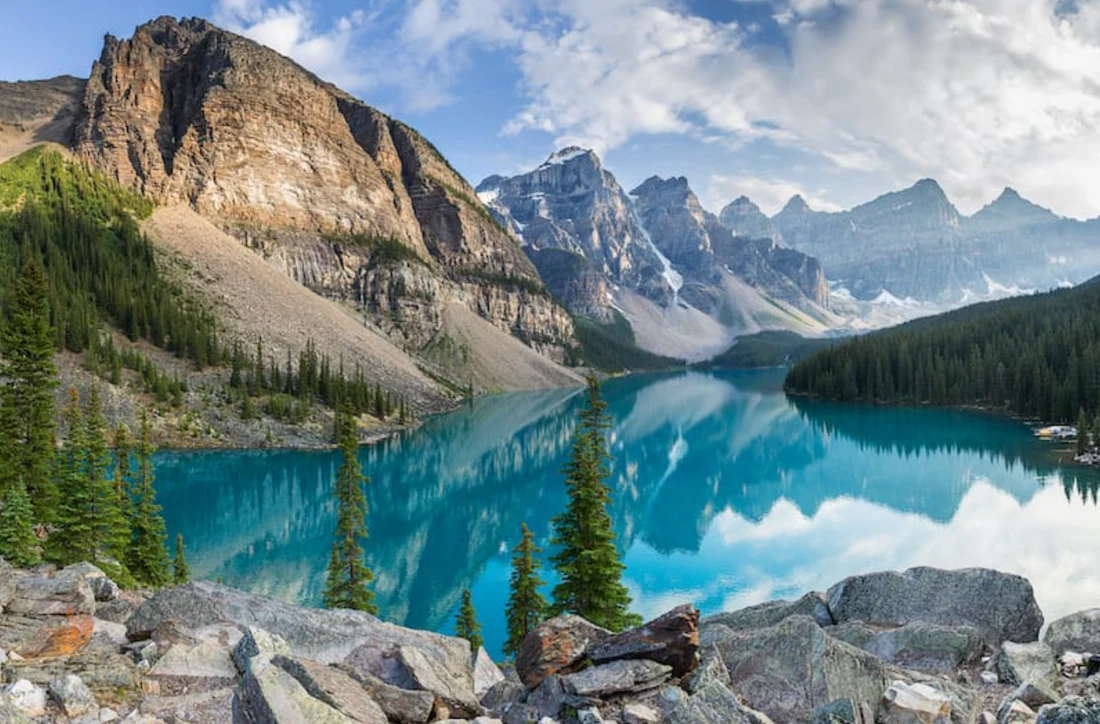
Successful influencers are specific. “Photography” is too broad. “Budget portrait photography tips for Canadian beginners” is a niche. “Behind-the-scenes wedding photography with business tips” is a niche. “Wildlife photography in Canadian national parks” is a niche.
Your niche should sit at the intersection of what you are knowledgeable about, what you are passionate about, and what an audience wants to consume. Choose a focus that you can create content about consistently for months and years without running out of material or losing interest.
Our content creator course guide covers niche selection, content pillar development, and audience research strategies in detail.
Platform Strategy
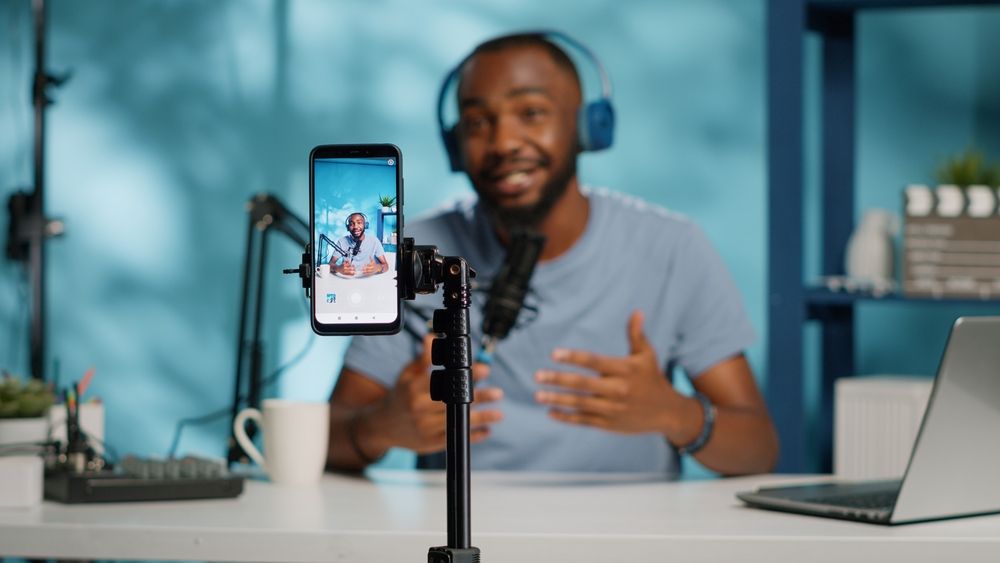
Instagram remains the core platform for photography influencers. Your feed functions as a visual portfolio, Stories provide daily engagement and behind-the-scenes access, and Reels drive discovery to new audiences. Post three to five Reels per week for maximum growth and mix educational content with portfolio showcases and personal behind-the-scenes moments.
TikTok offers the fastest path to audience growth due to its algorithm that prioritises content quality over follower count. Photography tips, before-and-after edits, and behind-the-scenes content perform exceptionally well. Our TikTok content course guide covers platform-specific strategies for photographers.
YouTube provides the deepest audience relationship and the most sustainable long-term platform. Longer tutorials, gear reviews, and project breakdowns build trust and authority that short-form platforms cannot match. YouTube also offers the best direct monetisation through advertising revenue. Our YouTube creator course guide covers building a photography YouTube channel from scratch.
A multi-platform strategy where you create content once and distribute it across all three platforms maximises your reach without proportionally increasing your workload.
Building an Engaged Audience
Consistency is more important than perfection. Post on a regular schedule that your audience can rely on. One high-quality post per day is better than five mediocre posts one week followed by silence the next.
Engagement is a two-way street. Respond to every comment, answer direct messages, ask questions in your captions, and create content that invites participation — polls, challenges, Q&A sessions. The algorithm on every platform rewards content that generates genuine interaction.
Provide real value in every piece of content. Every post should either teach something, inspire something, or entertain — ideally all three. Audiences follow accounts that make their lives better in some way, not accounts that simply showcase the creator’s work.
Collaboration with other creators in adjacent niches — travel, lifestyle, tech, outdoor adventure — exposes your content to established audiences that overlap with your target demographic. Guest appearances, joint projects, and content partnerships are among the most effective growth strategies available.
According to Hootsuite’s annual social media trends report, authenticity and educational value are the two factors most strongly correlated with audience growth and retention across all platforms in 2026.

Monetisation Strategies
Brand partnerships are the primary income source for most photography influencers. Gear companies, software developers, camera bag brands, print services, and creative education platforms all actively seek photography influencers to promote their products. Rates range from $200 per post for micro-influencers to $5,000+ per post for established accounts with highly engaged audiences.
Affiliate marketing earns commission on products you recommend through trackable links. Amazon Associates, B&H Photo affiliates, Adobe affiliate programmes, and preset marketplace affiliates are common in the photography niche. Typical commissions range from 3–15% per sale.
Digital products — Lightroom preset packs, Photoshop actions, educational guides, shooting checklists, pricing templates — provide scalable income. You create the product once and sell it indefinitely. Top photography influencers generate $5,000–$50,000+ per month from digital product sales.
Online courses and workshops leverage your expertise into premium-priced educational products. A photographer with an engaged audience of 20,000 followers can realistically launch a course generating $10,000–$50,000+ in its first month.
Photography services — the clients who book you because they discovered you through your content — remain the highest per-transaction revenue source. Influencer status does not replace your photography business; it amplifies it.
Start Building Your Influence
An influencer course gives you the strategic framework to turn your photography expertise into a multi-channel audience and multiple revenue streams. Our Certificate in Videography provides the video production skills essential for creating compelling content, and our Business Photography Course covers the commercial foundations. Explore our full range of courses to build the complete skill set.