

Outdoor photography is where technical skill meets environmental unpredictability. You cannot control the sun, the wind, the rain, or the temperature — but you can learn to read conditions, adapt quickly, and use the natural environment to create images that studio photography simply cannot replicate.
An outdoor photography course teaches you to work with natural light in all its variations, manage challenging weather and terrain, and make creative decisions on location without the safety net of controlled studio conditions. This guide covers the techniques, planning skills, and practical knowledge that transform outdoor shoots from frustrating to extraordinary.
Why Outdoor Photography Requires Specific Training
Shooting indoors with controlled lighting is relatively predictable — you set up your lights, they stay exactly as you placed them, and the conditions remain consistent for the entire session. Outdoor photography offers no such guarantees.
The sun moves across the sky, changing the direction, quality, and colour of light continuously throughout the day. Clouds appear and disappear, shifting exposure by several stops in seconds. Wind disrupts hair, clothing, and equipment. Rain, snow, fog, and extreme temperatures create both creative opportunities and practical challenges. Changing elevation, terrain, and accessibility affect what gear you can carry and how you position yourself relative to your subject.
Learning to manage these variables rather than fight them is the core skill of outdoor photography — and it is a skill that translates directly to better photography everywhere, including indoors. A photographer who can produce outstanding work in challenging outdoor conditions will find controlled studio work straightforward by comparison.
Understanding Natural Light Outdoors
Natural light changes character throughout the day, and each phase offers different creative possibilities.
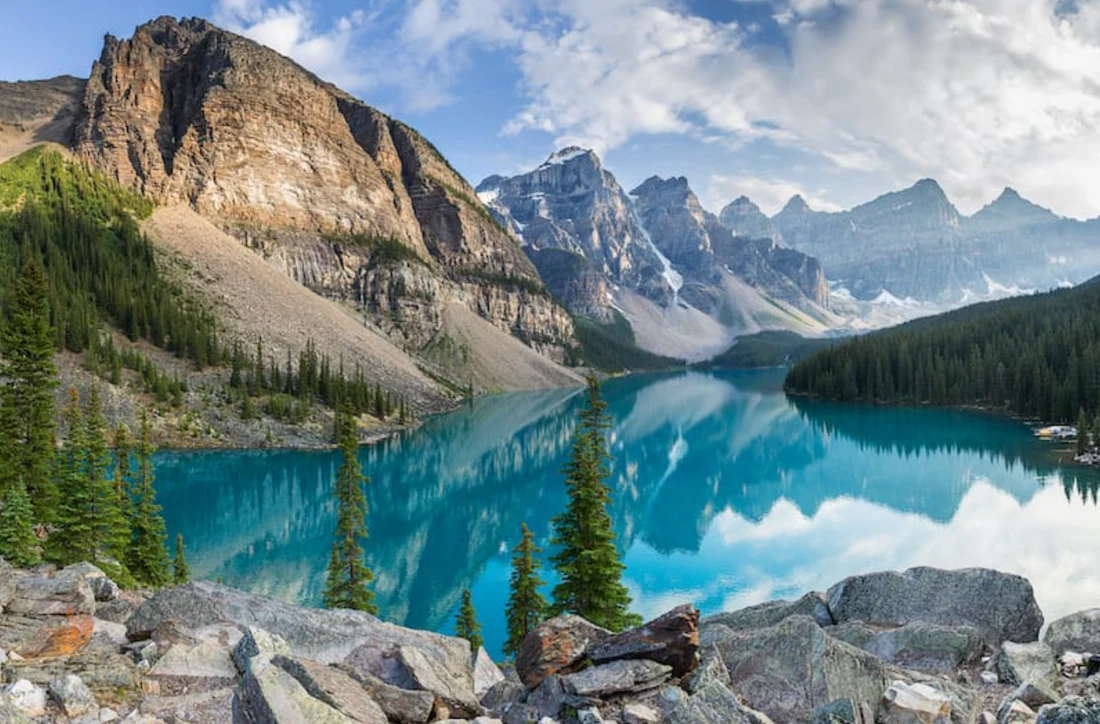
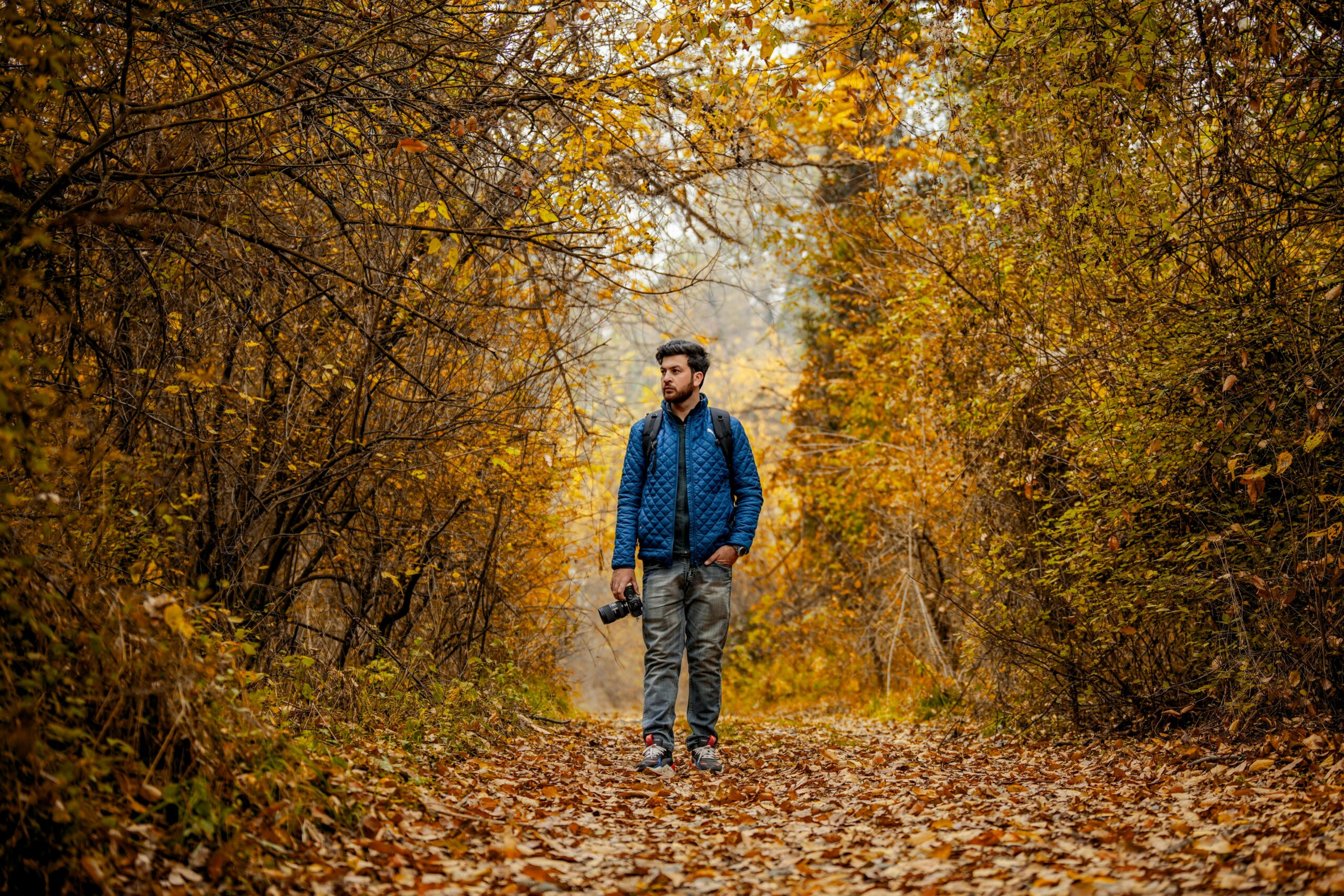
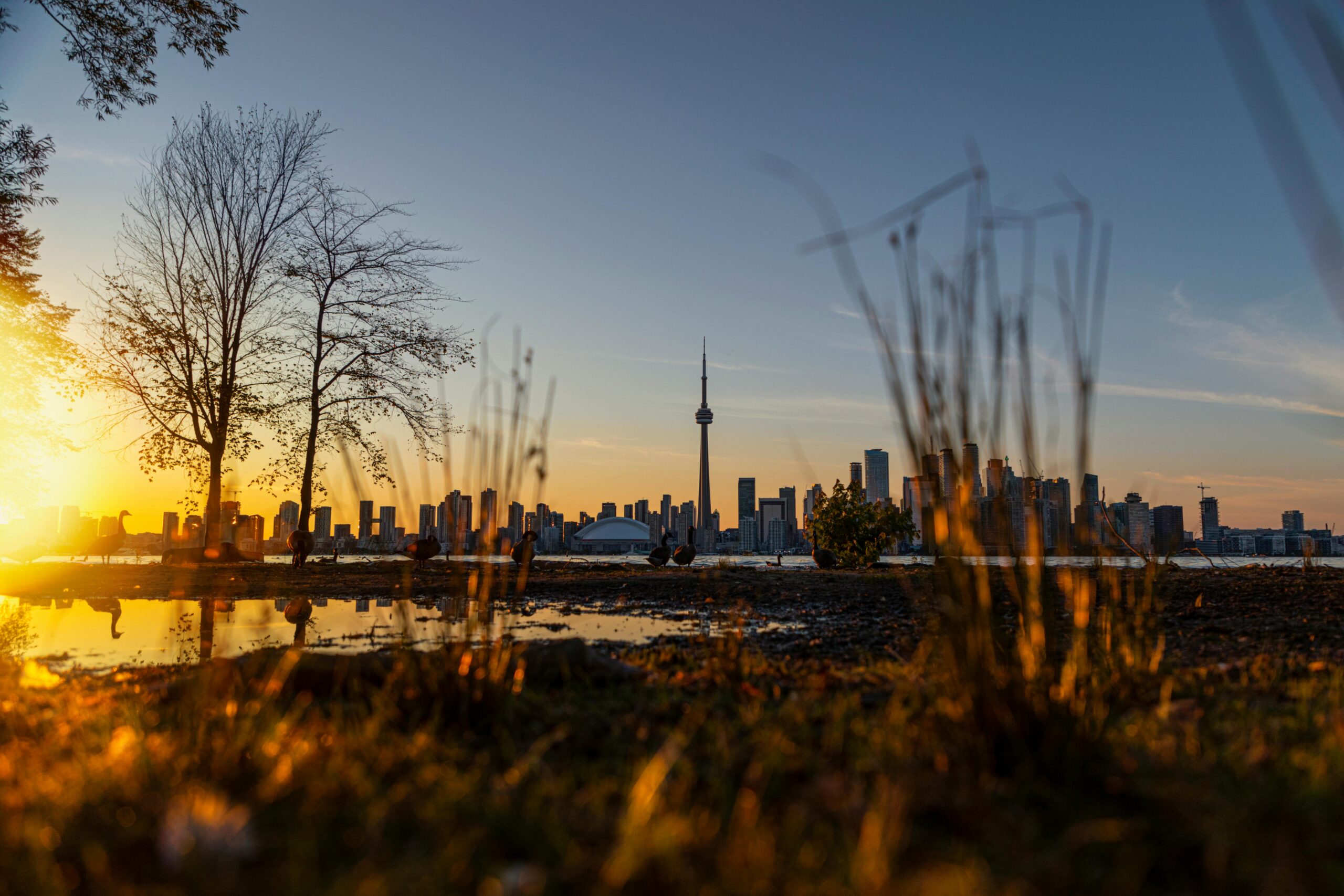
Golden hour — the hour after sunrise and before sunset — produces warm, directional light at a low angle. Shadows are long, creating depth and texture. Colours are saturated and rich. Skin tones are warm and flattering. This is widely considered the most beautiful natural light for photography and is the preferred time for portrait sessions, landscape work, and architectural photography.
Blue hour — the 20–30 minutes before sunrise and after sunset — produces cool, even, ambient light with deep blue sky tones. Artificial lights are visible but the sky retains colour, making it ideal for cityscapes, twilight landscapes, and moody atmospheric images.
Midday sun creates harsh, overhead light with strong shadows directly beneath subjects. Most photographers avoid shooting portraits at midday, but the light works well for certain applications — architectural photography benefits from the high angle that minimises building shadows, and some landscape subjects look their best under strong, contrasty light that emphasises textures and patterns.
Overcast conditions produce soft, diffused light that eliminates harsh shadows entirely. This light is excellent for portraits in open environments where you cannot control the sun, for forest and woodland photography where direct light creates distracting bright spots, and for waterfall and stream photography where even exposure is essential.
Our guide to photographing the northern lights covers a uniquely Canadian outdoor photography opportunity — capturing the aurora borealis requires specific techniques and planning that apply only in outdoor night environments.
Weather as a Creative Tool
Experienced outdoor photographers do not cancel shoots because of bad weather — they embrace it. Some of the most compelling outdoor photographs are made in conditions that most people would consider unpleasant.
Rain creates reflections on wet surfaces, saturates colours in foliage and urban environments, and adds mood and atmosphere that sunny days lack. Protect your camera with a rain cover or a simple plastic bag with a hole cut for the lens, and shoot during or immediately after rainfall for maximum impact.
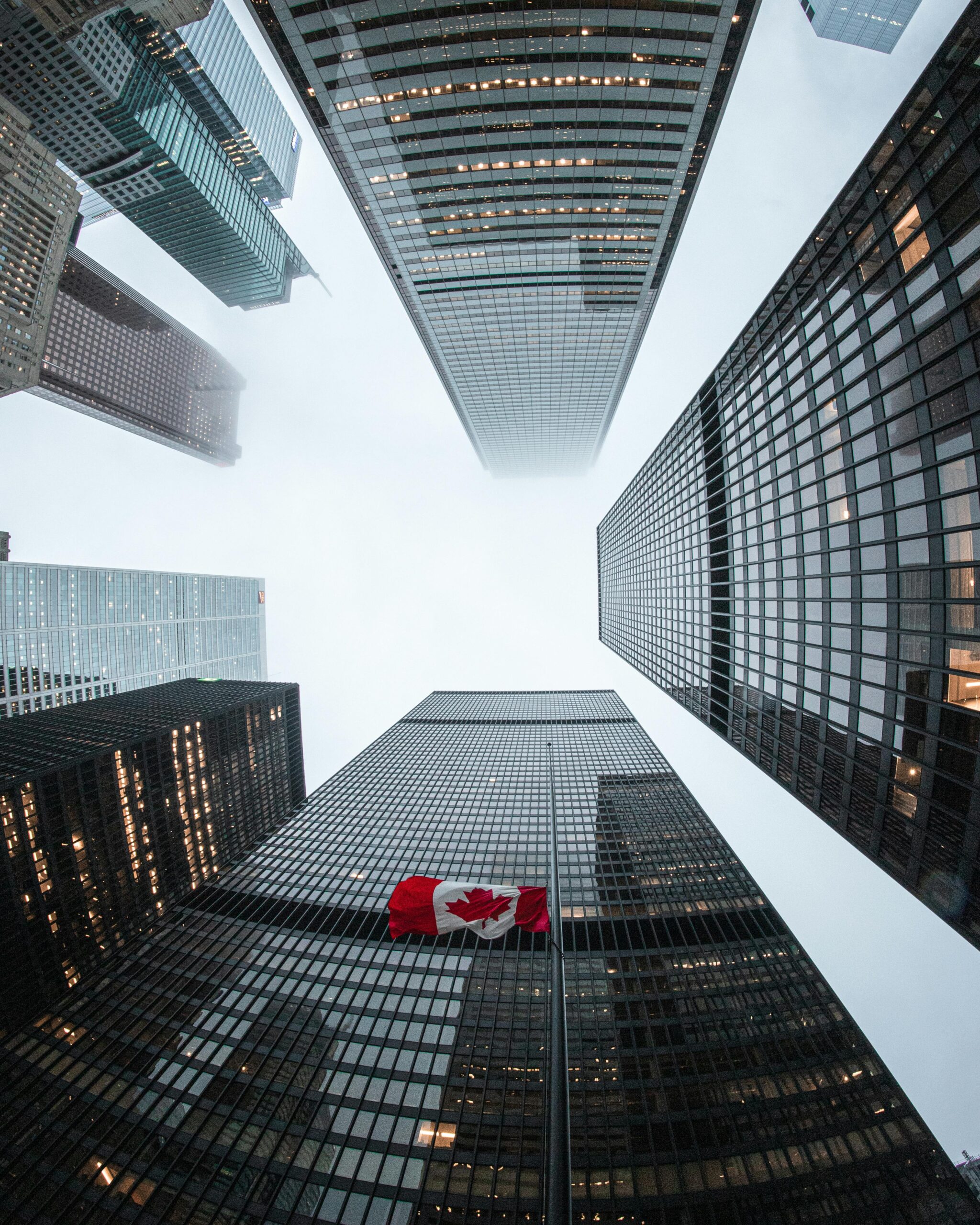
Fog and mist simplify compositions by hiding distracting backgrounds and creating depth through atmospheric perspective — nearby objects appear clear while distant elements fade into soft grey. Fog transforms ordinary locations into mysterious, ethereal environments. According to the Meteorological Service of Canada, coastal regions like the Maritimes and British Columbia’s coast experience frequent fog conditions that provide extraordinary photographic opportunities.
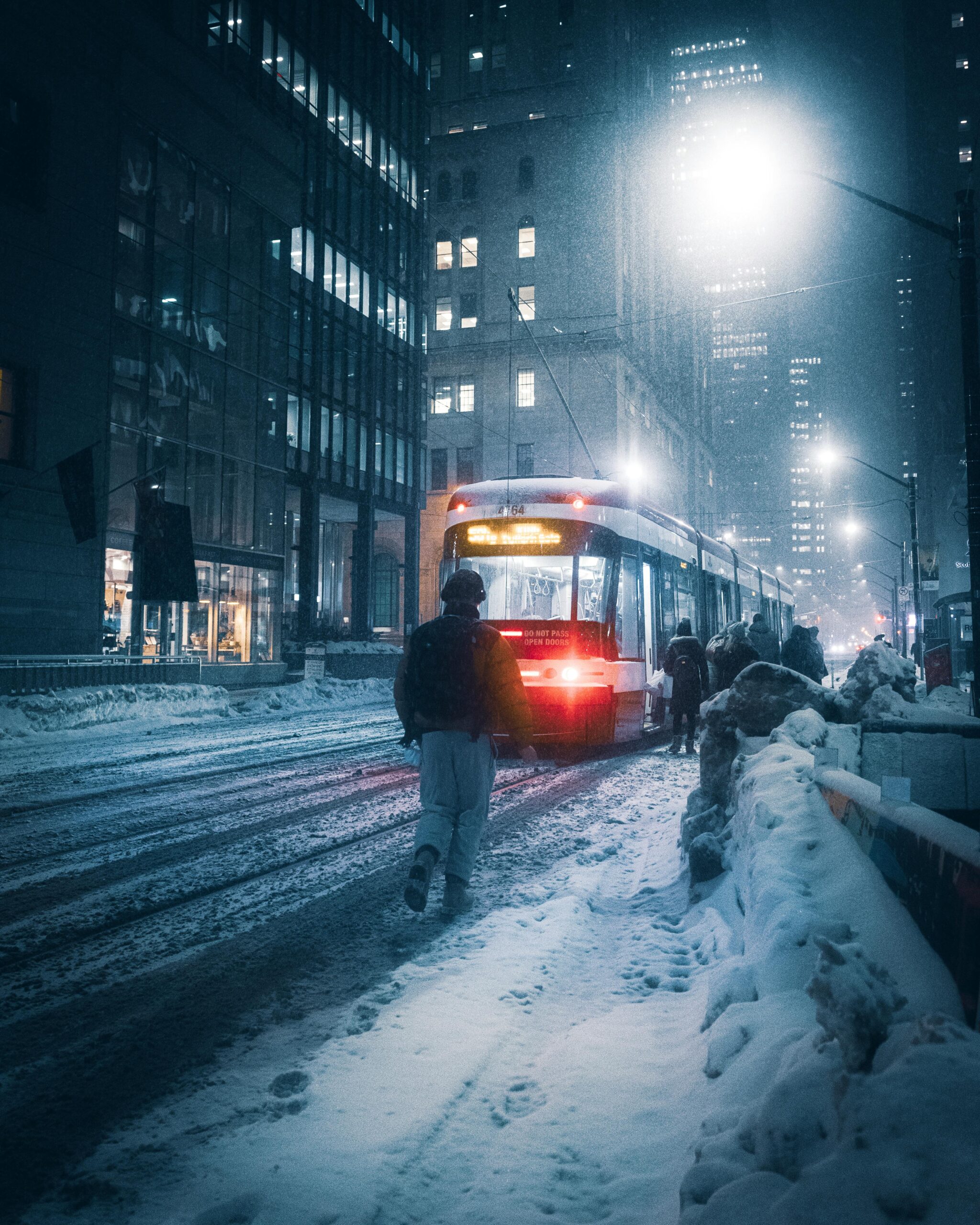
Snow changes the entire character of a landscape and creates unique exposure challenges. Snow scenes are predominantly bright white, which causes camera meters to underexpose — resulting in grey, dingy snow instead of clean white. Dialling in +1 to +2 stops of exposure compensation corrects this and produces bright, accurate snow images. Our exposure compensation guide covers this technique in detail.
Storm light — dramatic breaks in cloud cover that create shafts of directional light against dark skies — produces some of the most spectacular outdoor photography conditions imaginable. Being prepared and in position when storm light occurs requires patience, weather awareness, and a willingness to wait.
Gear Considerations for Outdoor Photography
Weather sealing on your camera body and lenses provides peace of mind when shooting in rain, snow, dust, or spray. Most professional and mid-range mirrorless cameras offer some degree of weather sealing, though no camera is fully waterproof without dedicated housing.
A sturdy tripod is essential for landscape photography where you need sharp images at narrow apertures in low light. Choose a tripod that balances stability with portability — carbon fibre tripods offer the best strength-to-weight ratio, though aluminium options are more affordable.
Filters serve specific purposes outdoors. A circular polariser deepens blue skies, cuts glare from water and foliage, and increases colour saturation — it is the single most useful filter for outdoor work. Neutral density filters enable long exposures in bright conditions for silky water and smooth cloud effects. Graduated neutral density filters balance bright skies with darker foregrounds in landscape compositions.
Our photography equipment on a budget guide covers how to build a capable outdoor photography kit without overspending.
MEC (Mountain Equipment Company) is a Canadian outdoor retailer that stocks camera bags, protective cases, and outdoor clothing suitable for photographers working in demanding Canadian environments.
Planning Outdoor Shoots
Location scouting before your shoot saves time, prevents surprises, and dramatically improves results. Visit your location at the same time of day you plan to shoot to assess light direction and quality. Identify potential compositions, check for distracting elements you might need to work around, and evaluate accessibility and terrain.
Sun tracking apps like PhotoPills or The Photographer’s Ephemeris show you exactly where the sun will rise, set, and track across the sky at any location on any date. This allows you to plan compositions that take advantage of specific light angles and predict golden hour timing precisely.
Weather monitoring is essential for outdoor work. Check multiple weather services and be prepared for conditions to change. Canadian weather is notoriously unpredictable — particularly in mountain environments, coastal regions, and the prairies — and conditions can shift dramatically within minutes.
Our landscape photography guide for Canada covers location planning, seasonal considerations, and specific Canadian destinations for landscape and outdoor photography.
Safety in Outdoor Photography
Canadian outdoor environments include bears, moose, cougars, extreme cold, rapidly changing weather, and remote locations with no cell service. Safety is not optional — it is the foundation of every outdoor shoot.
Tell someone your planned location and expected return time before every outdoor photography outing. Carry adequate supplies including water, food, a first aid kit, a charged phone, and weather-appropriate clothing. Know how to navigate with a map and compass in case your phone loses signal.
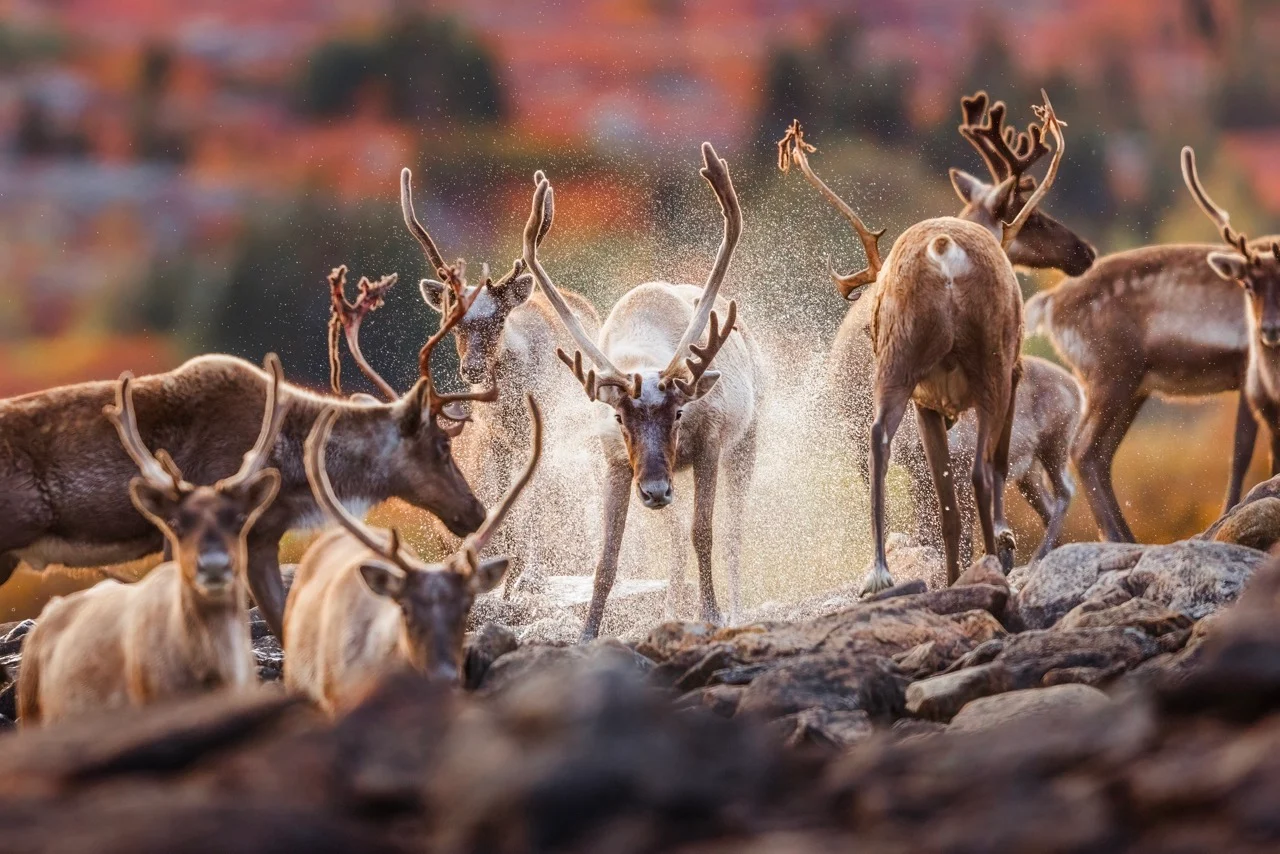
In wildlife areas, carry bear spray and make noise to avoid surprising animals. Our ethical wildlife photography guide covers safe practices for photographing in areas with large wildlife.
Start Your Outdoor Photography Journey
An outdoor photography course gives you the skills to work confidently in any natural environment — producing compelling images regardless of what conditions the Canadian landscape presents. Our Certificate in Photography builds the technical foundation that all outdoor photography depends upon, and our Certificate in Wildlife Photography covers outdoor techniques for nature and animal subjects. Browse our full range of courses to find your path.